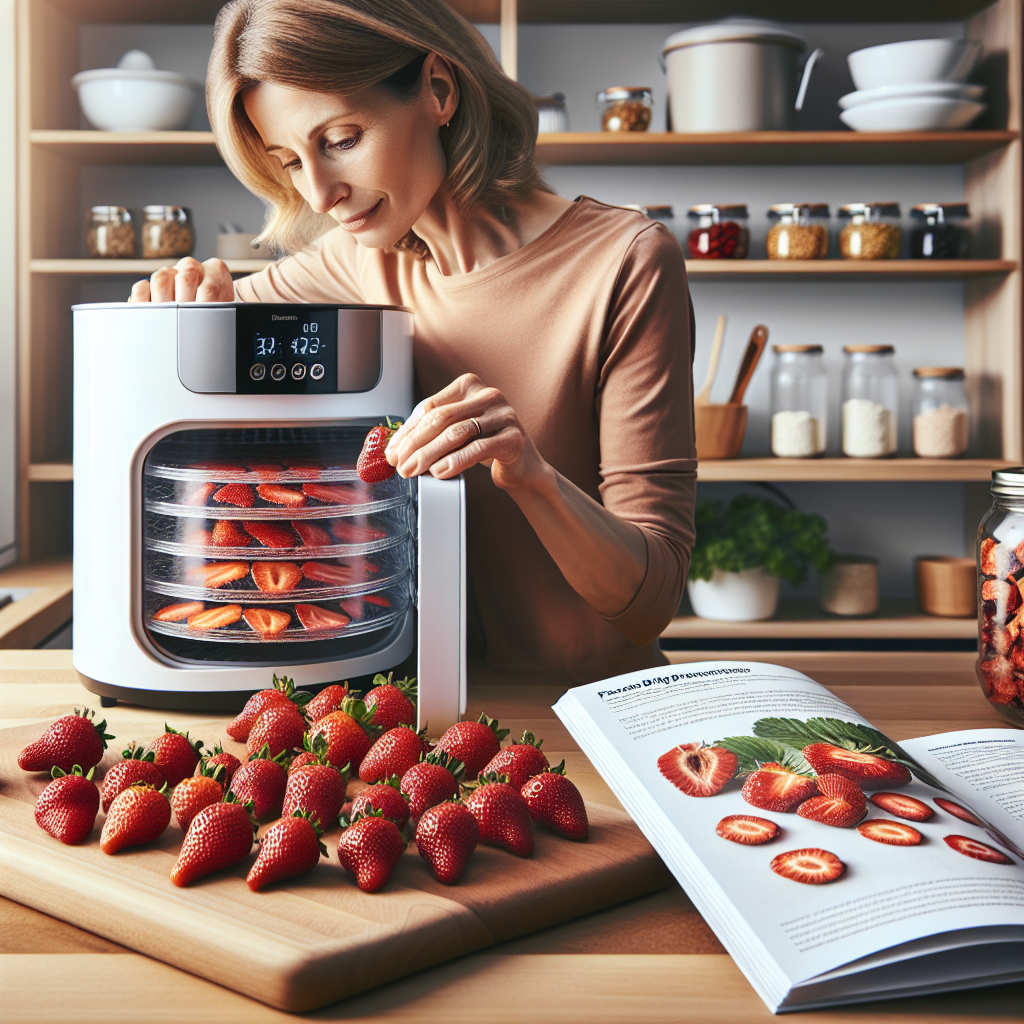
Freeze Drying Food at Home: A Comprehensive Guide
Introduction: Why Freeze Drying?
In the quest for long-lasting food preservation without compromising nutritional value and taste, freeze drying has emerged as a standout method. Not only does freeze drying extend the shelf life of your favorite foods, from fruits to full meals, but it also retains the original flavors and textures that can be lost in other preservation techniques such as canning or dehydrating. Whether you’re a home chef, an emergency prepper, or simply looking to minimize food waste, understanding how to use a home freeze dryer can transform the way you store and enjoy your food.
—
How-To: Using Your Home Freeze Dryer
1. Preparation: Start by selecting fresh and fully ripe fruits, vegetables, or cooked meals. Ensure they are clean and sliced evenly for consistent drying.
2. Arrangement: Place the food slices on the trays provided. Avoid overlapping to ensure an even freeze drying process.
3. Freeze Drying: Insert the trays into your countertop freeze-drying machine. The machine first freezes the food to extremely low temperatures. Then, it creates a powerful vacuum to remove the ice crystals that form during freezing, thus dehydrating the food.
4. Post-Processing: Once the cycle is complete, remove the dried food promptly. The food will be lightweight and porous.
5. Packaging: Seal the freeze-dried food in moisture-proof packaging, such as vacuum-sealed bags. Add oxygen absorbers to each package to ensure freshness.
6. Storage: Store the sealed packages in a cool, dark place to maximize shelf life.
—
Safety Notes Callout
– Temperatures: Ensure your machine reaches the appropriate temperatures during the freeze and dry phases; usually below -30°F during freezing and about 100°F during the drying phase.
– Storage Advice: Improperly sealed food can absorb moisture and spoil. Always use high-quality vacuum sealers and check seals regularly.
– Common Mistakes: Avoid trying to freeze dry foods with high sugar or oil content as they do not dry well and can affect the efficiency of your machine.
—
Tools & Supplies You’ll Need
– A Home Freeze Dryer: This is a countertop device that allows you to freeze dry small batches of food at home.
– Vacuum Sealer: Essential for ensuring that air and moisture do not re-enter the food packaging, compromising the preservation process.
– Oxygen Absorbers: These help remove oxygen from the sealed package, extending the shelf life of your food.
– Storage Containers: Strong, durable containers suitable for storing freeze-dried foods long-term, such as glass jars or Mylar bags.
—
Practical Examples of Foods
– Fruits: Apples, bananas, and strawberries freeze dry exceptionally well, maintaining a crisp texture and concentrated flavor.
– Meats: Cooked meats such as chicken, beef, and seafood can be freeze-dried, perfect for creating DIY meal preparations or emergency food supplies.
– Full Meals: Dishes like lasagna, stew, and curry can be fully prepared, freeze-dried, and rehydrated while maintaining much of their original taste and texture.
—
Frequently Asked Questions
Can I freeze dry dairy or fatty foods?
It’s best to avoid high-fat products which can go rancid and dairy products that don’t always rehydrate well.
How long does freeze-dried food last?
Properly processed and stored, freeze-dried foods can last 25 years or more, depending on the food type and storage conditions.
What maintenance does my freeze dryer require?
Regularly clean the vacuum pump oil and check the system for any wear. Ensure the chamber and trays are cleaned after each use to prevent contamination.
Is freeze drying cost-effective compared to other preservation methods?
Although the initial investment is significant, the ability to preserve food for much longer without a loss in quality can be highly cost-effective in the long run, especially for those looking to build a significant emergency food supply.
—
Conclusion with a Friendly Tip and CTA
As you delve into the world of home food preservation, freeze drying offers a unique, highly effective way to maintain your food’s integrity over time. Remember, every batch processed is a step closer to perfecting the art of freeze drying. Happy preserving!
Ready to extend the life of your foods with incredible flavor and nutrition? Start freeze drying at home today and taste the difference!