Preserving Perfection: The Hows and Whys of Freeze Drying Food at Home
In the age where self-sufficiency and home food handling have become more popular than ever, freeze drying stands out as a method that tickles the fancy of food preservation enthusiasts. Unlike traditional methods like canning or dehydrating, freeze drying allows you to preserve a vast array of foods, retaining their original textures, flavors, and nutritional value remarkably well over time. This preservation method is not only ideal for extending the shelf life of your favorite seasonal produce but is also perfect for preparing emergency food supplies or even creating lightweight meals for camping trips. In this guide, we’ll explore how to freeze dry food at home using a countertop freeze dryer, ensuring that beginners and seasoned preservationists alike can master the art with ease.
Step-by-Step Guide to Freeze Drying Food at Home
Step 1: Select Your Food
Choose fresh, high-quality ingredients. Almost everything can be freeze-dried, from fruits like apples and berries to vegetables, meats, and even full meals like spaghetti or stew.
Step 2: Prepare Your Food
Slice food into small, uniform pieces to ensure even freeze drying. Cook and prepare meals as you normally would before placing them in the freeze dryer.
Step 3: Load the Freeze Dryer
Arrange the prepared food on the dryer’s trays, making sure pieces do not touch, for more uniform drying. Insert the trays into the home freeze dryer.
Step 4: Start the Freeze-Drying Process
Turn on the machine and start the freeze-drying cycle. The machine initially freezes the food to temperatures below freezing. Then, a vacuum pump lowers the pressure around the food, and the temperature is gradually increased, allowing the frozen water in the food to vaporize directly from ice to gas in a process called sublimation.
Step 5: Store the Freeze-Dried Food
After the cycle completes, remove the dried food from the machine. Place it in moisture and oxygen-proof packaging to maintain freshness. Using a vacuum sealer, seal the food with oxygen absorbers inside to extend shelf life.
Safety Notes on Home Freeze Drying
– Temperature Monitoring: Ensure that the freeze dryer reaches the proper temperatures according to the manufacturer’s directions. Insufficient temperatures can lead to incomplete drying.
– Storage: Store freeze-dried foods in cool, dark places to maximize shelf life.
– Common Mistakes: Avoid trying to speed up the freeze-drying process; patience is key. Check seals on packaging for any leaks which could allow moisture and air to enter.
Tools & Supplies You’ll Need
– A Countertop Freeze-Drying Machine: Essential for this preservation method, designed to hold small batches of food.
– Vacuum Sealer: Necessary for sealing food air-tight after drying.
– Oxygen Absorbers: These help in preserving the quality and extending the shelf life of the freeze-dried food.
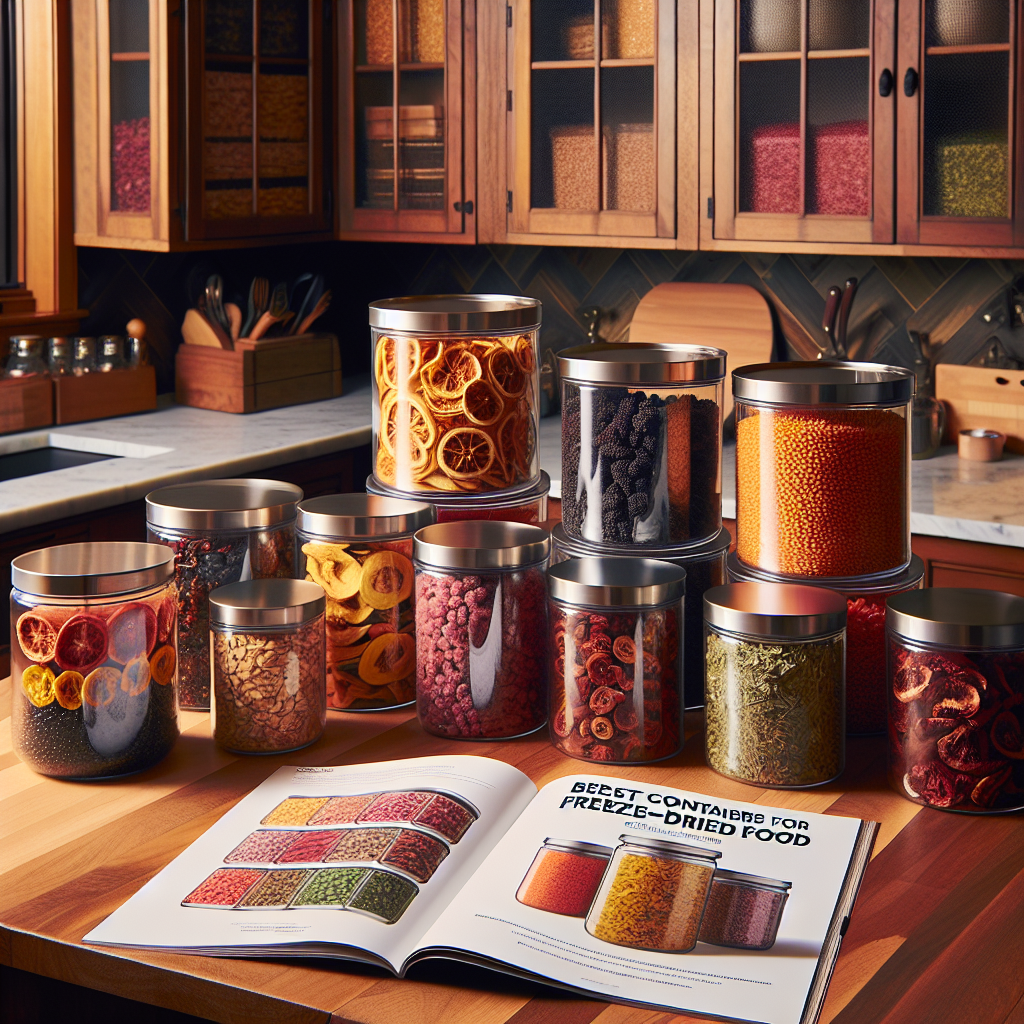
– Storage Containers: Preferably airtight containers or mylar bags, these are crucial for long-term storage of freeze-dried food.
Practical Examples of Foods
– Fruits: Apples, bananas, berries, and mangoes are excellent for snacking.
– Meats: Chicken, beef, and fish can be rehydrated and used in meals.
– Full meals: Lasagna, risotto, or casseroles can be freeze-dried and rehydrated to maintain a fresh taste and texture.
Frequently Asked Questions
How long does freeze-dried food last?
Freeze-dried foods can last up to 25 years when properly sealed and stored.
Is a home freeze dryer cost-effective?
Initially, the investment might seem high, but considering the long shelf life and reduction in food waste, it becomes cost-effective over time.
What maintenance does a home freeze dryer require?
Regular maintenance includes keeping the machine clean and regularly checking the vacuum pump oil.
Can I freeze dry liquids like soups?
Yes, liquids can be freeze-dried, but they should be pre-frozen to ensure solid results.
How do I ensure my freeze-dried food tastes good when rehydrated?
Ensure that the foods are adequately processed and store them with high-quality oxygen absorbers.
Conclusion: Unlocking the Full Potential of Your Home Freeze Dryer
With the right tools and a bit of practice, freeze drying at home can revolutionize the way you store and enjoy food. Whether you’re a camping enthusiast looking to prepare meals ahead or a homesteader aiming to preserve the bounty of your garden, mastering this method provides unparalleled convenience and efficiency.
Remember, the key to successful freeze-drying lies in the preparation and storage. Follow our tips closely for the best results. And most importantly, embrace the process of learning and experimenting with different foods to freeze dry at home!
Looking to enhance your food preservation skills or start a new, rewarding hobby? Join us at TrulyPreserved.com for more inspiration!