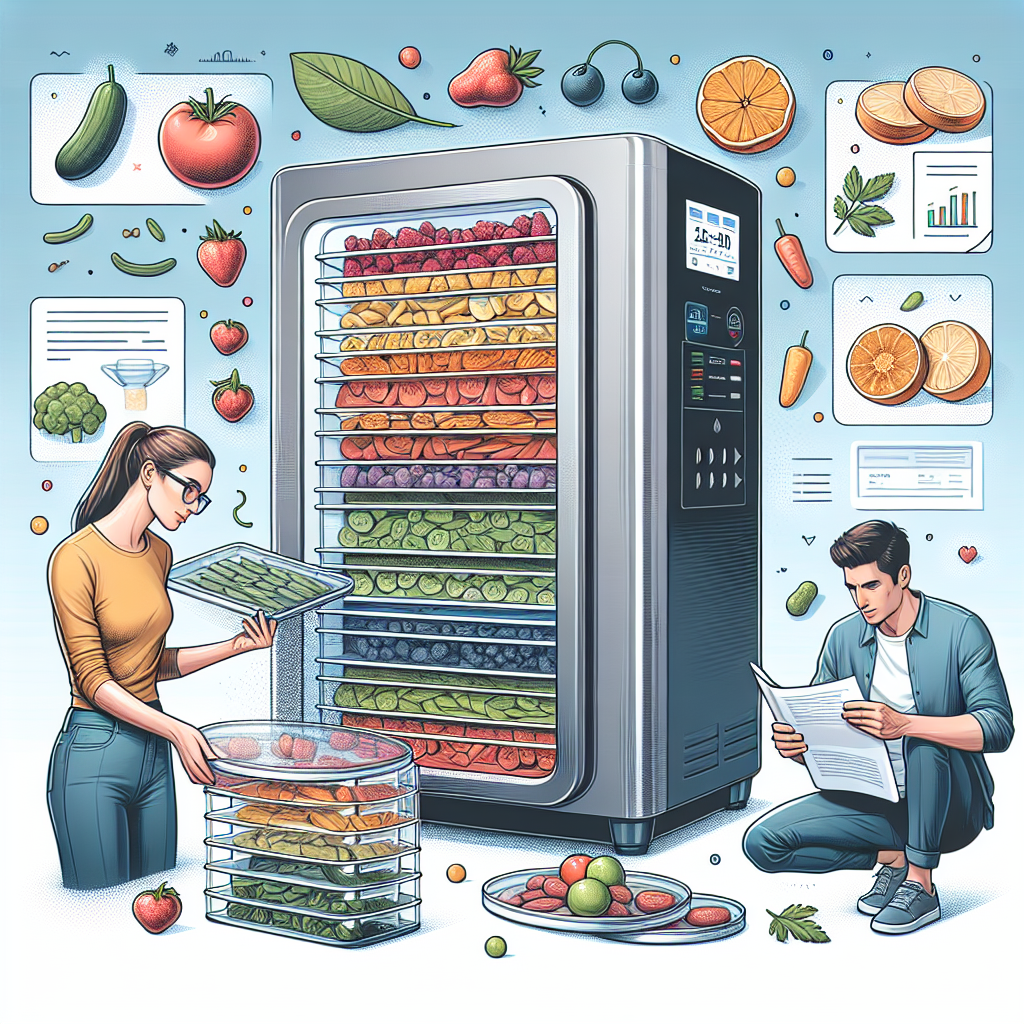
The Art of Freeze Drying Food at Home: A Comprehensive Guide
Freeze drying is a game-changer in the world of home food preservation, allowing you to keep your favorite foods fresh for an incredibly long time while retaining much of their original texture, flavor, and nutritional value. Unlike traditional drying methods, freeze drying involves freezing the food and then reducing the surrounding pressure to allow the frozen water in the food to sublimate directly from ice to vapor. This process not only extends the shelf life of foods but also preserves their integrity, making it a superior choice for preserving a wide variety of items from fruits to complete meals.
Why Freeze Dry?
The advantages of using a countertop freeze dryer at home are numerous. It allows you to preserve seasonal fruits and vegetables while they are at their peak, make convenient meal preparations that last for years, and even prepare for emergencies with ready-to-eat, nutritious foods. Furthermore, home freeze drying offers the independence to control the ingredients, making it a perfect option for those with dietary restrictions or preferences.
How to Freeze Dry Food at Home: Step-by-Step Guide
1. Preparation: Start by selecting fresh and ripe produce or preparing meals as you normally would. Slice food into small, uniform pieces to ensure consistent drying.
2. Pre-freezing: For best results, pre-freeze your prepared foods on a tray to accelerate the freeze drying process. This step ensures that your foods are completely frozen when placed into the machine.
3. Loading the Freeze Dryer: Place your pre-frozen foods onto the trays of your home freeze dryer. Avoid overlapping or stacking the pieces to allow for even drying.
4. Setting the Cycle: Initiate the freeze drying cycle on your machine. The machine will first create a powerful vacuum around the food, then gradually increase the temperature to allow the ice to vaporize without returning to liquid form.
5. Post-drying Check: Once the cycle completes, examine a few pieces to ensure they are thoroughly dry. If not, continue drying for additional time.
6. Packaging: Immediately seal the freeze-dried food in moisture and oxygen-proof packaging to prevent rehydration. Utilize a vacuum sealer to ensure tight sealing and add oxygen absorbers to prolong shelf life.
Safety Notes
– Temperature: Ensure foods are completely frozen before starting the freeze drying process.
– Storage: Store freeze-dried foods in a cool, dark place to maintain quality.
– Common Mistakes: Avoid the temptation to overload the machine’s trays, as this can lead to unevenly dried foods and potential spoilage.
Tools & Supplies You’ll Need
– A Home Freeze Dryer: This is the centerpiece of your setup, designed to handle small batches of food.
– Vacuum Sealer: To ensure that your food is sealed off from air and moisture after drying.
– Oxygen Absorbers: These help in maintaining the freshness and extending the shelf life of the preserved foods.
– Storage Containers: Suitable for long-term storage, these should be airtight and durable.
Practical Examples of Foods to Freeze Dry
– Fruits: Apples, bananas, and berries freeze-dry wonderfully and can be eaten as snacks or rehydrated for recipes.
– Meats: Cooked meats such as chicken, beef, or seafood can be freeze-dried and later rehydrated for meals.
– Full Meals: Dishes like lasagna, stews, or curries can be freeze-dried in portions and enjoyed throughout the year.
FAQs
Q1: How long does it take to freeze dry food at home?
A: The process can vary depending on the machine and the type of food, but typically it ranges from 20 to 40 hours.
Q2: What is the shelf life of freeze-dried food?
A: Properly sealed freeze-dried food can last for 25 years or more under the right conditions.
Q3: Is using a home freeze dryer cost-efficient?
A: Initially, the investment might seem high; however, the ability to reduce food waste and preserve large amounts of food can save money in the long run.
Q4: How do you maintain a home freeze dryer?
A: Regular maintenance includes keeping the interior clean, ensuring the vacuum pump is oiled, and the filters are replaced as necessary.
Q5: Can you freeze dry liquids like soups?
A: Yes, liquids can be freeze-dried, though they should be pre-frozen in the shape of the tray used in your machine.
Q6: Do I need special containers for storing freeze-dried food?
A: It’s critical to use airtight containers or mylar bags, preferably with oxygen absorbers for optimal shelf life.
Concluding Note and CTA
Embracing the method of freeze drying at home opens up a world of possibilities for preserving not just the food but also the emotions tied with homemade delicacies. Whether you’re a survival enthusiast, a chef, or just someone who loves to be prepared, a personal countertop freeze dryer could be your next best kitchen companion.
Remember, every bit of effort you put into freeze drying your foods translates into years of enjoyment and utility. Ready to try freeze drying at home? Start small, experiment with different foods, and always aim for the best practices in safety and storage!
Looking for a method to preserve your food that maintains taste, texture, and nutritional value? Why not try freeze drying? Explore the possibilities today!