
Unlock the Benefits of Home Freeze-Drying: A Comprehensive Guide
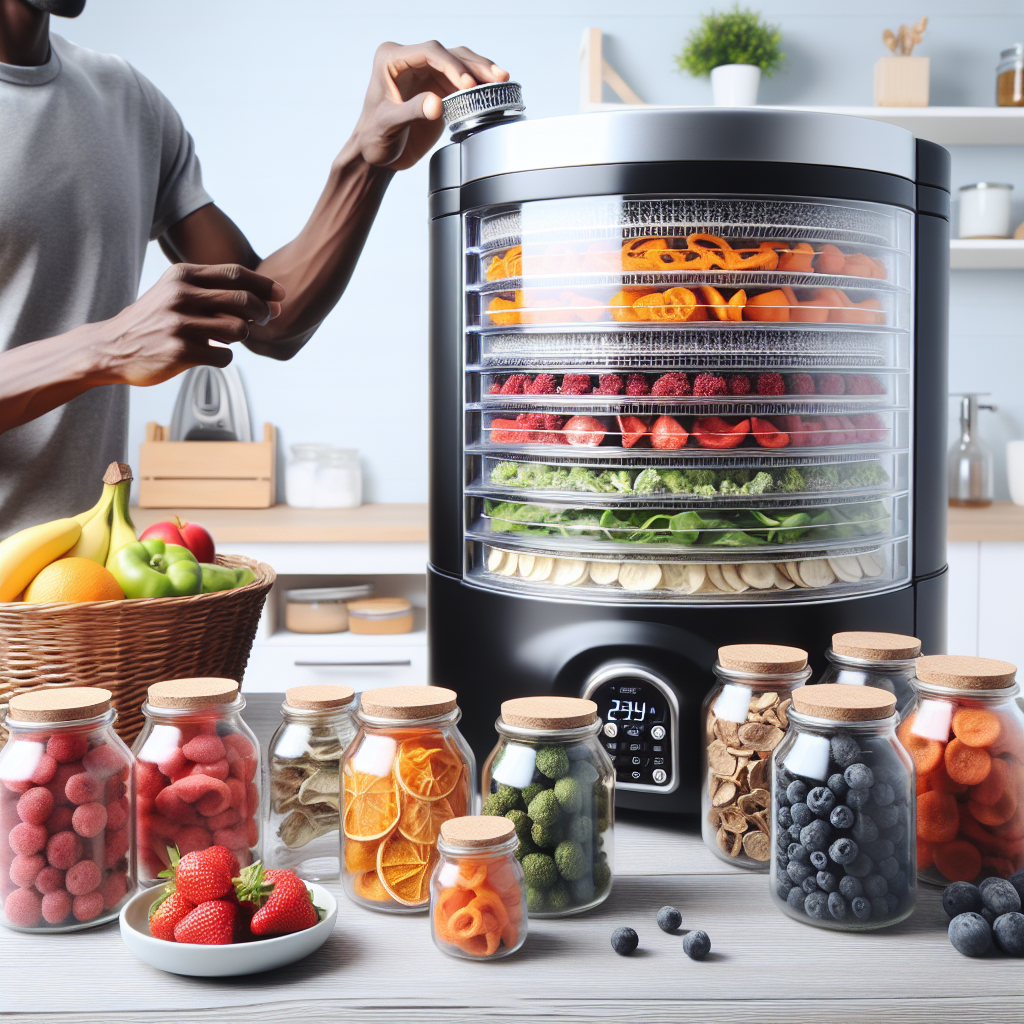
As we delve deeper into a world where self-sufficiency in the kitchen becomes more appealing, the art of preserving food gains momentum. One of the most innovative and efficient methods that has captured the attention of home chefs and food preservationists alike is the art of freeze-drying. Utilizing a home freeze dryer, particularly a compact, countertop model, brings the revolutionary technology of long-term food storage into your kitchen, allowing for freshness, nutritional preservation, and a significant reduction in food waste.
Why Freeze Dry Your Food?
Freeze drying at home empowers you to maintain a sustainable living practice by preserving not only the seasonal bounty of fruits and vegetables but also complete meals and proteins. The magic lies in its ability to remove moisture from food under vacuum, ensuring that the food’s structure and nutrition remain intact. This not only extends the shelf life dramatically, often up to 25 years or more under ideal conditions, but also retains the flavor and color, making food more appealing when rehydrated.
How to Use a Home Freeze Dryer: Step by Step
Step 1: Preparation
First, prepare your foods by washing, peeling (if necessary), and slicing them to uniform sizes to promote even freeze-drying. For meals, cook them as you would normally and let cool.
Step 2: Loading
Arrange the prepared food on the trays provided by your countertop freeze dryer, ensuring pieces are not overlapping. If you’re freeze-drying different foods, place similar types on the same tray to maintain consistent drying.
Step 3: The Freeze-Drying Process
Insert the trays into the machine. Seal the door, and start the freeze-drying cycle. Your machine will first freeze the food to extremely low temperatures. It then creates a powerful vacuum, which shifts the frozen water in the food directly to vapor in a process called sublimation.
Step 4: Storage
Once the cycle is complete, remove the food and place it in storage bags. Use a vacuum sealer to remove air and add an oxygen absorber for optimal preservation. Label each package with the date and contents.
Step 5: Long-Term Storage
Store your vacuum-sealed food in a cool, dry place where temperatures remain consistent.
Safety Notes
– Temperature Control: Ensure your freeze dryer maintains the correct temperatures throughout the process. Incorrect temperatures can lead to incomplete drying.
– Storage Conditions: Always store freeze-dried food in conditions that are devoid of humidity and light to prevent spoilage.
– Common Mistakes: Avoid opening the freeze dryer mid-cycle, as this can introduce moisture back into the food and disrupt the drying process.
Tools & Supplies You’ll Need
– Countertop Freeze-Drying Machine: This is the core tool which facilitates the freeze-drying process at home.
– Vacuum Sealer: Essential for sealing the food airtight after drying.
– Oxygen Absorbers: These help maintain freshness and prolong shelf life.
– Storage Containers: Durable, airtight containers or mylar bags are ideal for long-term storage.
Practical Examples of Foods to Freeze Dry
– Fruits: Apples, berries, and bananas are excellent for snacks or recipes.
– Meats: Cooked meats like chicken, beef, and seafood preserve well.
– Full Meals: Dishes like stew, pasta, and risotto can be freeze-dried and rehydrated.
Frequently Asked Questions
Q1: How cost-efficient is freeze drying at home?
The initial investment might seem high, but considering the shelf life and reduction in food waste, it proves economical over time.
Q2: What maintenance does a freeze dryer require?
Regularly check and clean the vacuum pump oil and interior surfaces to ensure efficient operation.
Q3: How long do freeze-dried foods last?
Properly sealed and stored, freeze-dried foods can last up to 25 years without losing significant flavor or nutritional value.
Q4: Can I freeze dry different foods at the same time?
Yes, but group similar types of foods together on the trays for uniform drying.
Q5: Is rehydration complicated?
Not at all! Simply add hot or cold water depending on the food, and it regains its original texture and flavor.
Conclusion
Embracing the technique of freeze drying at home might just be the game-changer for your food preservation needs. Not only does it maintain the integrity and nutritional quality of your food, but it also offers an unmatched shelf life, ensuring your pantry is always stocked.
Ready to make the leap into efficient, effective home food preservation? Start freeze drying and experience the pinnacle of dietary convenience and reliability.