
Truly Preserved is reader-supported. If you buy through a link on this page we may earn a commission at no extra cost to you. Nobody pays for placement or scores.
The best dehydrator for herbs is decided at the bottom of the temperature dial, not the top: herbs dry at 95°F to 115°F, and a machine that cannot go that low — or cannot hold it steady — cooks the oils out of basil instead of drying it. This page of our dehydrator coverage is built from published specs, current prices, and aggregated owner feedback from retailer listings and owner forums. We don’t own these machines; we did the homework. The three picks are the same three machines from our general food dehydrator comparison — the COSORI Premium CP267-FD, the Excalibur 3926TB, and the Nesco Snackmaster Pro FD-75A — re-judged here on herbs: temperature floors, mesh screens for small leaves, and controls fine enough for a two-hour job. All three draw 600 watts. For herbs, almost everything on the spec sheet matters less than the floor. The wider drying picture lives on our Preserve the Harvest page.
The Short Version

Score out of 10
COSORI Premium CP267-FD
A true 95°F floor set to the degree, a mesh screen in the box, and a timer for a job that finishes in 1–4 hours.
$135.99 from Amazon
Score out of 10
Nesco Snackmaster Pro FD-75A
The other true 95°F floor here, two mesh Clean-A-Screens included, and a size that suits a garden's weekly handful — but no timer.
$64.39 from Amazon
Score out of 10
Excalibur 3926TB 9-Tray
15 square feet with mesh inserts on every tray — but its floor is 105°F, so the most delicate low-temperature work is out of reach.
Check AvailabilityHow we chose: We compared the manufacturers’ published specs side by side, checked current prices on November 11, 2026, and read owner feedback across retailer listings and forums — roughly 38,800 Amazon ratings across the three listings when we counted them for our main dehydrator comparison — counting the praises and complaints that kept coming up, weighted here for herb work: the temperature floor first, then mesh screens, then control fine enough to trust at 95°F. Scores match the scores in that main comparison; the order and the labels are herb-specific. Read our full methodology.
Head-to-Head Specs
| COSORI Premium CP267-FD | Nesco Snackmaster Pro FD-75A | Excalibur 3926TB | |
|---|---|---|---|
| Price | $159.99 (COSORI’s store, Nov 11, 2026) | $99.99 (Nesco’s store, Nov 11, 2026) | No verified price on Nov 11, 2026 |
| Best for | Herbs done precisely, weekly | Garden herbs on a budget | Herb harvests by the armload |
| Temperature floor | 95°F | 95°F | 105°F |
| Temperature range | 95–165°F, digital, 1° steps | 95–160°F, dial | 105–165°F, dial |
| Mesh for small leaves | 1 mesh screen included | 2 Clean-A-Screens included | Mesh inserts on all 9 trays |
| Trays | 6, stainless steel | 5, plastic (BPA-free); grows to 12 | 9, plastic with mesh inserts |
| Drying space | 6.5 sq ft | 5 round trays, about 5 sq ft | 15 sq ft |
| Timer | Up to 48 hours, auto shut-off | None | 26 hours, auto shut-off |
| Power | 600W | 600W | 600W |
| Airflow | Rear fan, across every tray | Top fan, down the wall and across each tray | Rear fan, across every tray |
| Warranty | 2 years | 1 year | 10 years |
Prices and specs from manufacturer listings, November 2026. Nesco sells this machine on its own store as the FD-75PR — the same dehydrator in retail packaging; the FD-75A name is the Amazon frustration-free-packaging version. The Excalibur’s maker no longer lists the 3926TB on its own store, and its Amazon listing had no live offer when we checked in October either — the link above still takes you to its page, and stock on this model comes and goes.
COSORI Premium CP267-FD: The Herb Pick for Most Gardens
Score out of 10
- Weight289.6 oz (8210 g)
- Size (L × W × H)13.5 × 17.8 × 12.2 in
Our score: 9/10 — the most precise herb machine of the three: a true 95°F floor you set to the degree on a digital panel, a mesh screen in the box for the leaves that fall through open trays, and a timer sized for a job that finishes in hours, not days.
Herbs punish sloppy low-end control. The National Center for Home Food Preservation puts the dehydrator at 95°F to 115°F for herbs — up to 125°F in humid weather — because the oils that make basil taste like basil leave with the heat. The COSORI’s floor is exactly 95°F, and unlike a dial you set it in one-degree steps and read it on a display, which matters when the whole working band is twenty degrees wide. A mesh screen comes in the box for thyme leaves and seed heads. Across ~21,615 ratings on its Amazon listing it holds 4.7 stars (counted October 20, 2026); owners praise the quiet run — COSORI rates the fan under 48 dB, a real consideration for a machine running in a kitchen for an afternoon — and the even drying from the rear fan. The complaints that touch herb work: food sticks to that mesh screen, so lift delicate leaves off with a thin spatula rather than peeling, and the box is a full-size counter appliance (about 18 pounds) bought for a job measured in ounces — worth it if herbs are one of several weekly jobs, harder to justify for herbs alone.
What owners love: the quiet run, even drying without rotating trays, controls that do what the display says. What owners complain about: the sticky mesh screen, a rear fan screen that is fiddly to clean, and the counter space the box takes.
- Pros: true 95°F floor in 1° steps; mesh screen included; 48-hour timer with auto shut-off; stainless trays; quietest here; 2-year warranty
- Cons: the most expensive way to dry a handful of herbs; mesh screen sticks; bulky for a small, light job
Buy it if herbs share the machine with fruit and jerky through the season, and you want one set of controls you can trust at the bottom of the range. Skip it if herbs are the only job — the Nesco dries them for $60 less.
The COSORI Premium CP267-FD is $159.99 at COSORI’s own store as of November 11, 2026. Amazon’s price moves separately; check it here:
Nesco Snackmaster Pro FD-75A: The Budget Herb Machine
Our score: 8/10 — the other true 95°F floor in this comparison, the most mesh in the box, and a price that makes sense for a seasonal job — held back by a dial you have to trust and the same missing timer as everywhere else in its record.
The FD-75A’s case for herbs starts with its thermostat: 95°F to 160°F, the joint-lowest floor here, on a machine that costs $99.99. It ships with two mesh Clean-A-Screens — the most small-leaf coverage in the box of any pick here — plus two fruit roll sheets and jerky seasoning samples. The fan and heater sit in the lid and push air down the outside wall and across each tray (Nesco calls it Converga-Flow), and owners say herbs and everything else dry evenly without turning trays: across ~13,755 ratings on Amazon it holds 4.6 stars (counted October 20, 2026), the largest owner base of the three. The herb-specific warnings are real. There is no timer, and herbs finish in one to four hours — a batch forgotten until evening is a batch dried to dust. And the low end is set by a dial, not a display: owners of dial machines across all three brands include some who found the box running degrees off the setting, which matters more at 95°F than anywhere else. Run the first batch with a thermometer in the box and learn your dial’s error; after that, it is a known machine.
What owners love: the price, the even drying, the included screens, and how small it stacks down for winter storage. What owners complain about: no timer and no auto shut-off; plastic trays that want gentle washing; the shortest warranty here at one year.
- Pros: true 95°F floor; 2 mesh Clean-A-Screens included; lowest price here; expands from 5 to 12 trays for harvest week; stores small
- Cons: no timer on a 1–4-hour job; dial instead of a display at the delicate end; 1-year warranty; plastic trays
Buy it if your herb drying is a garden-season habit — weekly bundles through summer, done while you are home anyway. Skip it if you want to start a batch and leave the house; buy a timer instead.
The Nesco Snackmaster Pro is $99.99 at Nesco’s own store as of November 11, 2026 (sold there as the FD-75PR, the same machine in retail packaging).
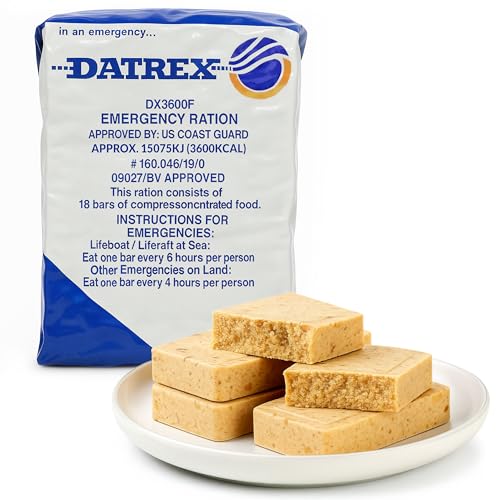
Datrex 3600
Eighteen individually wrapped 200-calorie bars and a six-ingredient label — the pack that stays fresh after you open it.
$24.99 from Amazon
Thrive Life: Freeze-Dried Blueberries - Pantry Can Size
Freeze-dried food by the can, no machine: the same long-life ingredients the kits are built from, bought a can at a time.
$60.00 from Amazon
Excalibur 3926TB: For Herb Harvests Measured in Armloads
Our score: 8/10 — the biggest herb box here, with mesh on every tray and the longest warranty — held back for this job by a 105°F floor that sits above the delicate end of the herb range, and a price we could not verify this run.
Fifteen square feet across nine 15 × 15-inch trays, each with a mesh insert, is a serious amount of herb room: a whole bed of oregano or a mint patch cut back hard fits in one load, dried by a rear 7-inch fan blowing across every tray, with a 26-hour timer to end the run. Excalibur has built this basic box in the USA for decades, backs it with a 10-year limited warranty, and sells spare parts; across ~3,406 ratings on its Amazon listing it holds 4.6 stars (counted October 20, 2026). The herb caveat is the floor. The thermostat runs 105°F to 165°F — inside the National Center’s 95–115°F herb band, but only just: the machine cannot reach 95°F, so the gentlest setting the guidance allows is off its dial entirely, and humid-weather drying at up to 125°F leaves it little headroom above its floor either. Woody herbs — rosemary, thyme, oregano — forgive that. Basil at the height of summer is where the missing ten degrees show. Owners also call it the loud one of the three, which matters less for a two-hour herb run than for an overnight fruit batch.
What owners love: the sheer capacity, even drying with no tray rotation, and parts and support that still exist years later. What owners complain about: the fan noise, plastic trays, and a run of reports of trays that fit poorly or thermostats that ran hotter than the dial said — the complaint you least want at herb temperatures.
- Pros: 15 sq ft with mesh inserts on every tray; 26-hour timer; 10-year warranty; made in the USA; spare parts available
- Cons: 105°F floor misses the 95°F gentle end; loudest here; plastic trays; no verified price on Nov 11, 2026
Buy it if your herb harvest is genuinely large — market gardeners, tea blenders, a whole bed at a time — and your herbs run woody rather than delicate. Skip it if basil is your main crop; its floor is the wrong end of the herb band.
We could not verify a current price for the 3926TB on November 11, 2026 — the maker no longer lists this model on its own store and its Amazon listing showed no live offer — so we print no price rather than guess one.

COOQUI 12-Inch Tortilla Warmer
An insulated fabric warmer sized for full-size flour tortillas. Thirty to forty-five seconds in the microwave and it holds the stack warm and soft for up to an hour at the table.
$19.99 from Amazon
Sour Patch Kids (5 lb)
The bulk bag is the economical way to feed a freeze dryer — one bag fills several tray loads, and the pieces are the standard size every candy-mode timing is written for.
$20.99 from Amazon
Robinair 13203 Vacuum Pump Oil
A pump that runs quiet and pulls nothing is very often an oil problem — this is the replacement our maintenance guide names.
$16.79 from AmazonHead-to-Head by Criterion
What temperature should herbs dry at?
Herbs should dry at 95°F to 115°F — up to 125°F in humid areas — per the National Center for Home Food Preservation, and they are done in one to four hours, when the leaves crumble and the stems break when bent. That band is the whole contest. The COSORI Premium and the Nesco FD-75A both floor at exactly 95°F, so both can work the full band; the COSORI sets it to the degree on a display, the Nesco on a dial. The Excalibur 3926TB floors at 105°F — inside the band, but it cannot reach the gentle 95°F end the guidance starts from. Dry hotter than the band and the herbs still dry; they just come out tasting like hay, because the flavor oils leave before the water does.


Survival Garden Seeds, 30 Varieties
Every lot germination-tested with a packed-for date, and the only maker here that tells you plainly most seed lasts 3 to 5 years — not forever.
$29.97 from Amazon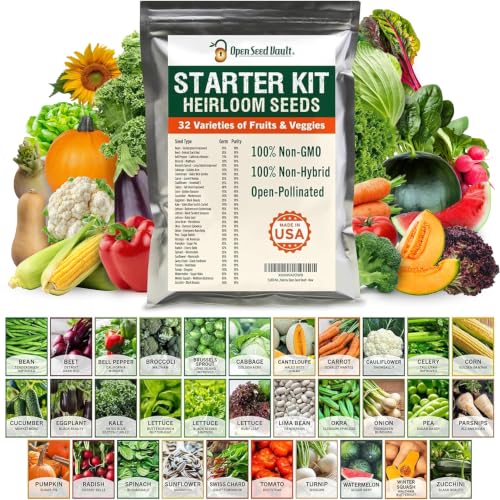
Vegetable & Fruit Seeds
4.6 stars across roughly 14,600 Amazon ratings — the deepest owner record here — but the calorie crops are thin: 15 to 25 seeds of beans, peas, and pumpkin.
$28.99 from AmazonWill small leaves fall through the trays?
Small leaves fall through open trays on every machine — the question is what mesh comes in the box. The Nesco FD-75A includes two Clean-A-Screens, fine mesh sheets that sit on its trays; for a five-tray machine drying a few bundles, that covers the top trays where most herb batches live, and extra screens are a cheap add-on. The COSORI Premium includes one mesh screen — enough for a dedicated herb tray per batch. The Excalibur 3926TB fits mesh inserts on all nine of its trays, the most complete coverage here, sized for harvests where every tray is herbs. Whichever machine you run, dry leafy herbs on the stem where you can: stems hold leaves off the mesh, and the leaves strip off in seconds once crisp.


Vegetable & Fruit Seeds
4.6 stars across roughly 14,600 Amazon ratings — the deepest owner record here — but the calorie crops are thin: 15 to 25 seeds of beans, peas, and pumpkin.
$28.99 from AmazonDoes the size of the machine matter for herbs?
Size matters for herbs in the opposite direction from every other drying job: a herb batch is ounces, not pounds, so the Excalibur 3926TB’s 15 square feet is room almost no home herb grower fills, while the Nesco FD-75A’s five round trays match a normal garden’s weekly cuttings. Where size does help is a true harvest event — a bed of oregano cut at once, mint taking over a fence line — and there the big box earns its counter space for a weekend. The rest of the year, herbs reward the machine you will actually pull out for a handful of basil, and for most kitchens that is the smaller, quieter box: the COSORI Premium or the Nesco.
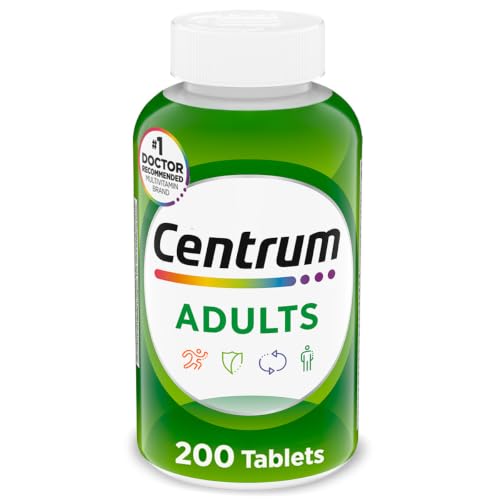
Centrum Adult Multivitamin
The boring, complete answer to the BYU numbers: one bottle covers a person for months, stores beside the food, and costs less than a single freeze-dried entree.
$12.00 from Amazon
JB Black Gold Pump Oil
The second oil owners keep for the same change — either beats the waterlogged oil already in the pump.
$54.50 from Amazon
Nesco VS-12
A full-featured countertop sealer for bagging batches before they go into storage.
$108.18 from AmazonWhat does a season of dried herbs cost to run?
Almost nothing in electricity, which is why the buying price is the whole cost story for herbs. All three machines draw 600 watts, but an herb batch runs one to four hours, not ten: a two-hour batch uses about 1.2 kilowatt-hours at most — roughly 19 cents at 16 cents per kWh, and less in practice because the heater cycles. A full summer of weekly herb batches costs less in power than one bag of store-bought dried basil. So the honest cost comparison is the machine itself against the job: $99.99 for the Nesco Snackmaster Pro, which covers a home garden’s herbs completely, against $159.99 for the COSORI Premium, which buys precision and a timer, while the Excalibur 3926TB cannot be scored on cost today because it had no verifiable price when we checked. Paying cabinet-machine money for herbs alone only makes sense when the cabinet also dries your fruit and jerky.
Store dried herbs whole, in airtight jars, in the dark — crumble them at cooking time, not at packing time, and they hold their flavor far longer. Packing methods for everything you dry are in our mylar bags and oxygen absorbers guide. Drying heavier loads instead? The same three machines, judged on those jobs, are in our guides to the best dehydrator for jerky and the best dehydrator for fruit.
Honest caveats before you buy
The low end of a dial is the least honest part of any dehydrator. Owners of all three brands include some who checked with a thermometer and found the box running hot or cool against the setting — at 95°F, a ten-degree error is the whole herb band. Whatever you buy, run the first herb batch with a thermometer in the box and learn what your machine’s 95°F really is. The Excalibur’s floor is a real limit, not a spec-sheet quibble: 105°F cannot do the 95°F work, and its maker no longer lists the 3926TB at all — the lineup (3926TB, 3900B, newer Select models) shares one box with different controls, so check the exact model number on any listing. The Nesco’s missing timer cuts hardest here: herbs are the shortest job in drying and the easiest to ruin by forgetting, and this machine will not stop itself. Air-drying is the honest competition: the National Center notes drying is the easiest way to preserve herbs and does not recommend sun drying (it costs flavor and color) — a dark, airy room and a string cost nothing, and for woody herbs the results are close. The dehydrator wins on speed, humidity, and basil.
Viewers also searched for these items.
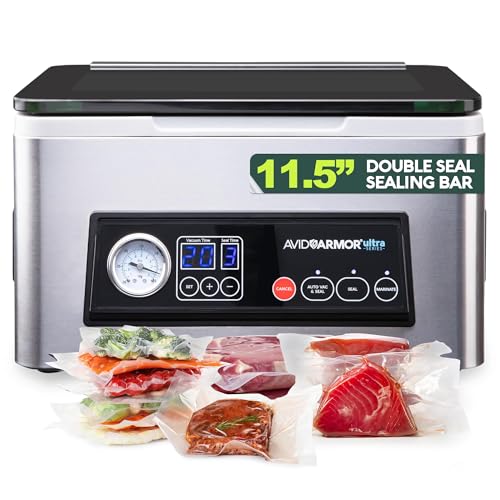
Avid Armor USV20
The chamber machine: soups, marinades and smooth cheap pouches — if it fits in an 11 x 10 pouch.
$349.00 from Amazon
FoodSaver Elite Liquid Plus
It senses bags and moisture for you — at the highest price per inch of seal bar here.
$218.56 from Amazon
Blue Alpine Medium Select
Higher cooling capacity shortens batch times, and owners praise the customer service. Up to 15 lbs per batch — the fastest route from harvest to a shelf that lasts decades. Use code TRULYPRESERVED at checkout for 3% off.
Check the priceFrequently asked questions
What temperature is best for dehydrating herbs?
Set the dehydrator to 95°F to 115°F, per the National Center for Home Food Preservation — up to 125°F where the air is humid. The COSORI Premium and Nesco FD-75A both reach the 95°F floor; the Excalibur 3926TB starts at 105°F, inside the band but above its gentle end. Herbs are dry in one to four hours at these settings, when leaves crumble and stems snap.
How long do herbs take in a dehydrator?
One to four hours for most leafy herbs at 95–115°F — the shortest job in drying. Thick, fleshy leaves like sage run to the long end; thyme and oregano to the short end. Check early and often the first time: the difference between dried and over-dried at these small loads is measured in tens of minutes.
Can I dry herbs and fruit in the same load?
Not well. Fruit dries at about 135°F for six to twelve hours; herbs want 95–115°F for one to four. Run them together and one of the two jobs is wrong — either the herbs cook or the fruit crawls. Dry them on different days, or run herbs first at their temperature and fruit after. The machines are the same; the settings are not. See our fruit guide for the fruit side of that split.
How should dried herbs be stored?
Whole, airtight, and in the dark. Leaves stripped from the stem but left uncrumbled keep their oils longest; a glass jar in a cupboard beats a clear jar on a counter, and a mylar bag with an oxygen absorber beats both for a year-plus supply. Properly dried herbs hold good flavor for six months to a year — after that they fade rather than spoil.
Is a dehydrator better than air-drying herbs?
For speed and for basil, yes; for a bunch of rosemary in a dry climate, it is closer than the marketing suggests. A dehydrator finishes in hours regardless of the weather, holds the 95–115°F band that keeps color and flavor, and works in humid summers when hung bundles mold. Air-drying costs nothing and suits woody herbs well. Sun drying is the one method the National Center advises against — it bleaches flavor and color out of the leaves.
Sources & freshness: manufacturer spec pages and manuals (COSORI, Excalibur, Nesco), maker-store prices checked November 11, 2026 (COSORI $159.99 at cosori.com; Nesco $99.99 at nesco.com, sold there as the FD-75PR; the Excalibur 3926TB had no verifiable current price — the maker no longer lists the model and its Amazon listing showed no live offer), National Center for Home Food Preservation herb-drying guidance (95–115°F, up to 125°F in humid areas; dry in 1–4 hours until leaves crumble and stems break), and owner feedback aggregated from retailer reviews and dehydrator forums. Prices last checked: November 11, 2026.
Talk it over with other readers. The Truly Preserved Community on Facebook is where readers compare notes on food storage, water, and backup power — and where your questions help decide what we research next. Join the group →
Prices shown on this page were last checked November 26, 2026 — prices change; check before you buy.