
Truly Preserved is reader-supported. If you buy through a link on this page we may earn a commission at no extra cost to you. Nobody pays for placement or scores.
THE SHORT ANSWER
Yes — if your garage stays between about 45 and 75°F while a batch runs, which is the range Harvest Right calls most efficient. The maker’s hard limits are wider and stricter than most owners expect: the recommended operating range is 35–90°F, running above 90°F stretches batch times and works the condensing unit harder, and running the machine when the room is above 105°F voids the warranty — the machine records the room temperature of every batch. An insulated garage in a mild season passes easily. An uninsulated garage in a hot summer or a deep cold snap does not, and the fix is seasonal, not mechanical: run batches when the garage is in range, or move the machine indoors for those months.
Garages are where freeze dryers want to live. The machine is loud enough to plan around, a batch runs for a day or more, and the utility room is already full. So the question is a good one — it is also one the manufacturers answer more precisely than the forums do. This page works from Harvest Right’s current owner’s manual and FAQ, checked November 17, 2026, with Blue Alpine’s warranty conditions as a second maker’s check. Where the maker’s own pages disagree with each other, we print both numbers and say so.

ThermoPro TP49 Hygrometer
A week of this on the garage wall tells you the highs and lows a batch would actually run in — temperature and humidity both, which are the two numbers this whole answer turns on.
$8.54 from Amazon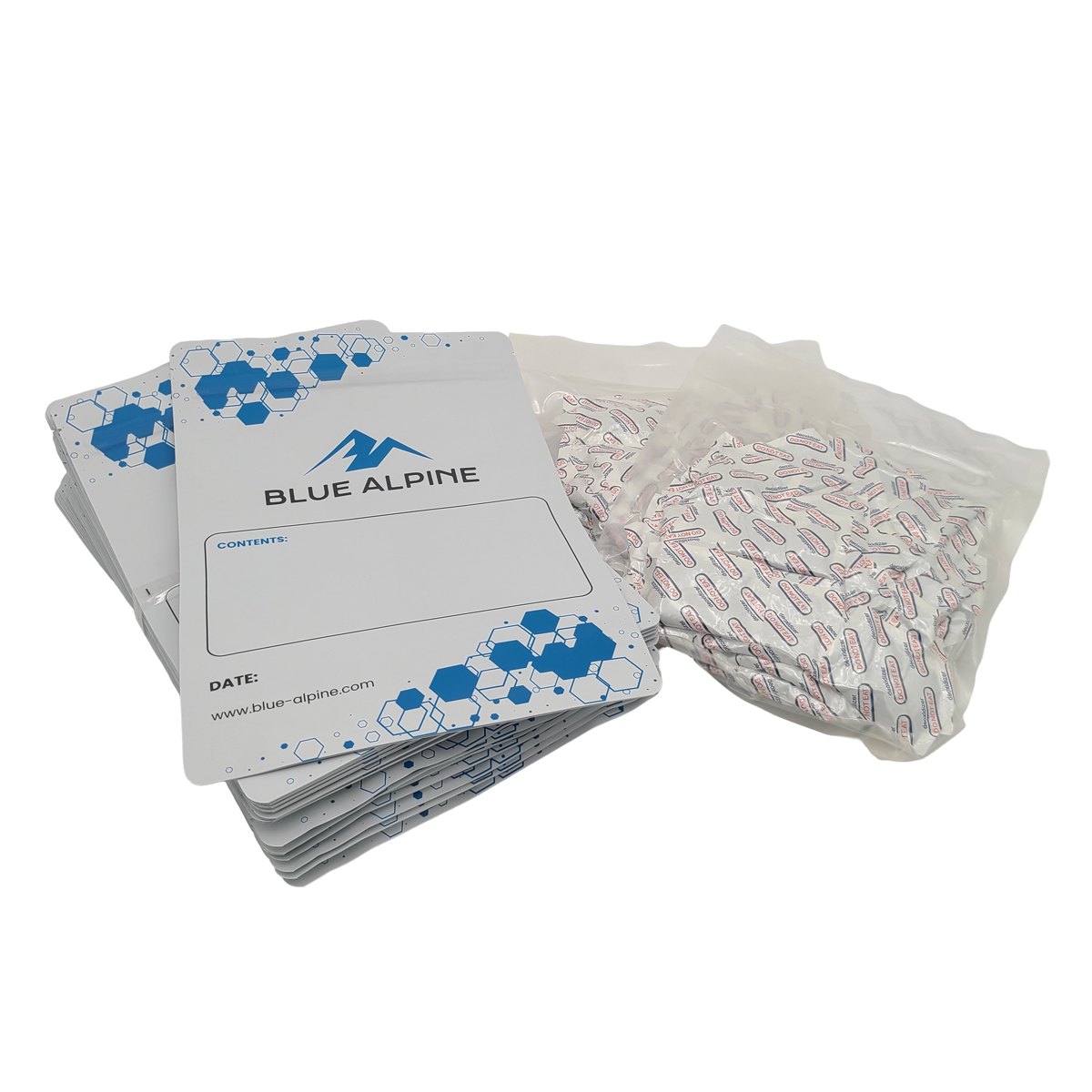
Blue Alpine Mylar Bags with Oxygen Absorbers
Wherever the machine lives, a finished batch ends in mylar. A spare pack of bags with absorbers keeps a 24-hour batch from waiting on a delivery to get sealed. Use code TRULYPRESERVED at checkout for 10% off.
$32.39 from Blue AlpineThe Temperature Numbers That Decide It
| Room temperature | What the maker says |
|---|---|
| 45–75°F | Most efficient range (manual) |
| 35–90°F | Recommended operating range |
| Above 90°F | Safe, but longer batches; fan on the pump |
| Above 105°F | Do not run — warranty void |
Every figure in that table is Harvest Right’s own. The manual’s worked example is the one to plan around: a batch that finishes in 24 hours in a 75°F room can take over 40 hours in a hot one, because the machine has to pull food down to extreme cold against a room that is fighting it the whole way. Heat does not just slow the batch — the manual warns it can have an adverse effect on the condensing unit, and it tells owners running above 90°F to set a small fan blowing air across the vacuum pump, which can reach 160°F in operation. Cold is quieter but not free: below the 35°F floor you are outside the recommended range entirely, and Blue Alpine’s warranty draws its own cold line at 32°F, with the same 90°F ceiling as Harvest Right’s recommended range. Two makers, one shape: the garage has to behave like a room.
One disagreement inside Harvest Right’s own pages is worth printing. The manual calls 45–75°F the most efficient range; the FAQ’s setup section calls the ideal 50–75°F. The five degrees change nothing about the decision — a garage that holds the low 50s is in range on either page — but a buyer reading both will find both, so we print both.
Heat and Cold Are Only Half the Garage Problem
Temperature decides whether the machine may run. The garage itself decides whether it should. Harvest Right’s manual is explicit that the freeze dryer is designed for indoor installation only, and its setup guidance reads like a description of what a garage is not: a cool, dry, clean place. Run the checklist against your own garage before the machine arrives.
- Dust. Dirty air clogs the cooling fins in the condensing unit and shortens the refrigeration system’s life — the manual’s words, and a fair description of a garage where wood gets cut or a car gets worked on. A clean corner away from the bench is a different risk than a bay beside the table saw.
- Humidity. The FAQ tells owners to avoid high humidity, which can clog internal components. A garage that sweats in summer fails this even on days its temperature passes.
- Airflow. The machine must not be boxed into a corner or a closed cabinet; the side vents need open room on each side. A garage usually passes this one easily — it is the one garage advantage.
- The drain. The standard machines want a stable, level surface at least 3 feet up so the drain hose drops straight into a bucket. A sturdy cart at that height is the normal garage setup. The Countertop 360, with its built-in drain pan, is the exception that can sit on a counter.
- The circuit. Most Harvest Right machines need a dedicated 15-amp circuit (our beginners comparison runs the model-by-model numbers). A garage circuit shared with a freezer and a charger is not dedicated, whatever the breaker box calls it.

Thrive Life: Freeze-Dried Blueberries - Pantry Can Size
Freeze-dried food by the can, no machine: the same long-life ingredients the kits are built from, bought a can at a time.
$60.00 from Amazon
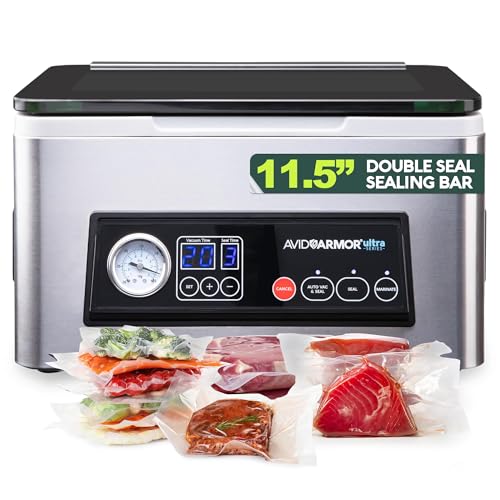
Avid Armor USV20
The chamber machine: soups, marinades and smooth cheap pouches — if it fits in an 11 x 10 pouch.
$349.00 from AmazonWhen the Answer Flips to Yes
A garage that fails in August may pass in October, and that is the practical way most owners run this. The conditions that flip the answer to yes are concrete: the room holds 45–75°F across a full batch, not just at noon; the corner is clean and dry, with the vents clear; and a fan is on hand for warm days, pointed at the pump the way the manual describes. A thermometer you actually read is what turns this from a guess into a check — a week of highs and lows in your garage, taken before the machine ships, is the whole research project. If the room only fails in the extremes, the seasonal pattern is honest and common: garage batches spring and fall, an indoor room for the deep summer and the coldest weeks, and no batches at all on the days the room would cross 105°F — those are the days that cost a warranty, not just time. Readers working out where a first machine should live will find the room question runs through our sizes comparison too, because the big machines add a 20-amp circuit to the same placement math.
Follow-Up Questions
Can I run a freeze dryer in my basement instead?
A basement is usually the easier yes. Basements hold the 45–75°F efficient range through summer heat that pushes a garage past 90°F, and they are cleaner and drier than most garages. The same checks apply — airflow around the vents, a drain drop for the hose, and a circuit the machine can have to itself.
What happens if a batch runs on a day that crosses 105°F?
On Harvest Right’s own terms, running the machine when the room exceeds 105°F voids the warranty, and the machine records ambient temperature during each batch — so a hot afternoon mid-batch is not a loophole, it is a log entry. Above 90°F but under 105°F the batch is allowed and merely slow; the manual’s example stretches 24 hours past 40.
Does a hot garage hurt the food, or just the machine?
Just the machine and the clock, on the maker’s account. Heat makes the freeze dryer work harder to reach and hold its cold, which lengthens the batch and stresses the condensing unit. The food’s own clock is different — dried food stored in that same hot garage ages faster, which our hot garage shelf-life answer works through. Where you dry and where you store are two separate temperature decisions.
Can I leave a freeze dryer in the garage over winter, turned off?
Storage is not operation — the 35°F floor in the manual is an operating range. What winter storage asks is the ordinary care: the machine clean and dry, the door and seals looked after per our maintenance schedule, and no batch started until the room is back in range. In a garage that freezes hard, ask the maker about your model before the first winter rather than after it.
Viewers also searched for these items.

Blue Alpine Medium Select
The machine itself, sized for a garage bench — the dryer this page is about, with the photo and price up front. Use code TRULYPRESERVED at checkout for 3% off.
Check the price

Robinair Premium Pump Oil
The other pump oil owners trust — keep a bottle by the machine.
$16.79 from AmazonFrequently Asked Questions
Can you run a freeze dryer in a garage?
Yes, when the garage stays in the maker’s range: 35–90°F recommended, 45–75°F most efficient, on Harvest Right’s manual. Dust, humidity, airflow, a drain drop, and a dedicated circuit are the rest of the test — a clean, insulated garage passes; a hot, dusty one does not.
What temperature is too hot for a freeze dryer?
Above 90°F, batches slow down and the condensing unit works harder — Harvest Right advises a fan on the vacuum pump. Above 105°F is the hard line: do not run the machine, and doing so voids the warranty.
What temperature is too cold for a freeze dryer?
Below 35°F is outside Harvest Right’s recommended operating range, and Blue Alpine’s warranty sets its floor at 32°F. A garage in the 30s is a move-it-indoors or wait-for-spring answer, not a run-it-anyway one.
Will running a freeze dryer heat up my garage?
Some. The machine rejects the heat it pulls from the food into the room, and its vacuum pump can reach 160°F at its surface. In a small, closed garage on a warm day that pushes the room the wrong way across a long batch — one more reason the thermometer check comes first.
Prices last checked: November 17, 2026 (the hygrometer and bags above, via their tracked links). Temperature ranges, the warranty line, and the batch-time example are Harvest Right’s, from its current owner’s manual and FAQ; the second maker’s limits are Blue Alpine’s warranty conditions.
This question came from our harvest of what readers ask in the forums. See the rest of the list: What People Are Asking About Freeze-Dried Food.
Prices shown on this page were last checked November 26, 2026 — prices change; check before you buy.
Talk it over with other readers
The Truly Preserved Community on Facebook is where readers compare notes on food storage, water, and backup power — and where your questions help decide what we research next.