
Truly Preserved is reader-supported. If you buy through a link on this page we may earn a commission at no extra cost to you. Nobody pays for placement or scores.
THE SHORT ANSWER
Yes — the fragile ones do. Brigham Young University’s long-term storage research, the deepest work published on food stored for decades, found aged beef had lost 78 percent of its thiamine (vitamin B1) and green beans 49 percent of theirs, with vitamins A and C fading on the same curve. What survives the decades is the part that keeps you alive: calories, protein, and minerals hold up far better than vitamins. The crowd’s consensus backstop is also the cheap one — a basic multivitamin stored with the food covers the gap the years open.
Ask whether 20-year-old food is “still good” and most answers split it wrong — as if the food either keeps everything or becomes worthless. The BYU research on decades-old stored food tells a more useful story: a stored bucket ages unevenly. The energy in it barely notices the years. The vitamins leave on a schedule, fastest in the first years, and heat speeds the whole process — the same 10.8°F rule that halves shelf life applies to nutrient loss, which is why the storage room’s temperature (our best storage temperature answer) is also a nutrition decision.
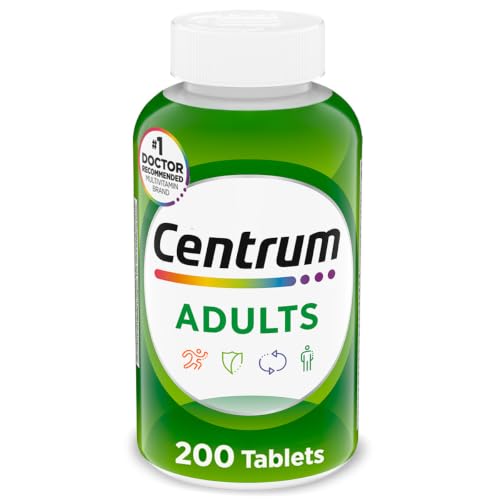
Centrum Adult Multivitamin
The boring, complete answer to the BYU numbers: one bottle covers a person for months, stores beside the food, and costs less than a single freeze-dried entree.
$12.00 from Amazon
ThermoPro TP49 Hygrometer
Nutrient loss runs on the same clock as shelf life — heat. A thermometer-hygrometer in the storage room tells you the actual temperature your vitamins are aging at.
$8.54 from AmazonWhat the BYU Numbers Actually Say
| What fades | What the research found |
|---|---|
| Thiamine (B1) in aged beef | Down 78% |
| Thiamine (B1) in green beans | Down 49% |
| Vitamins A and C | Degrade steadily; light and heat speed it |
| Calories, protein, minerals | Largely persist across decades |
Read the table the way the researchers frame it: old stored food remains life-sustaining — people in the studies ate decades-old staples and the food did its job — but a diet of nothing but 20-year-old staples, eaten for months, runs short on the vitamins that left. That’s a planning problem with a planning solution, not a reason to throw out a pantry. It also explains why the printed date and the safety question are different questions — our shelf-life lookup works food by food on the safety side; this page is the nutrition side of the same shelf.
The Three Ways Households Cover the Gap
Rotate younger. Vitamins fade on a curve, not a cliff — food eaten at year five carries far more of them than food eaten at year twenty. A household that rotates its staples through normal meals and stores deep only the true staples gets most of the nutrition back for free.
Keep some vitamin-dense food in the mix. Freeze-dried fruit holds vitamin C better than most storage forms, and a small stock of it — eaten, rotated, replaced — covers the single most famous deficiency the old navy named a disease after.
Store the backstop. A basic multivitamin, bought on sale and rotated like food, is the answer the long-storage crowd converged on years ago: pennies a day, shelf-stable for years, and it converts “the vitamins faded” from a health risk into a footnote. It is not a substitute for food variety — it is insurance for the specific, measured gap the research found. The same planning applies at the decade mark generally; our ten-year food storage answer walks the full inspection for a pantry hitting that age.

Thrive Life: Freeze-Dried Blueberries - Pantry Can Size
Freeze-dried food by the can, no machine: the same long-life ingredients the kits are built from, bought a can at a time.
$60.00 from Amazon
Survival Garden Seeds, 30 Varieties
A vault packed for home gardeners — the other name our seed comparison scores.
$29.97 from Amazon
Honda EU3200i
The EU2200i's bigger brother: 3,200 watts of the same Honda quiet, for loads a step beyond a fridge and freezer — at Honda money.
$2,799.00 from AmazonFollow-Up Questions
Does freeze-dried food keep its vitamins better than canned?
At packing, freeze drying preserves more of the fragile vitamins than canning’s heat does. Across decades of storage, both fade — the storage conditions end up mattering more than the head start.
Do multivitamins themselves expire in storage?
They carry dates like everything else and lose potency on their own slow curve — which is why they’re rotated like food, not entombed with it. A two-to-three-year rotation keeps the backstop honest.
Which vitamin matters most to cover?
Vitamin C, historically — it’s the most fragile in storage and the deficiency (scurvy) arrives fastest on a staples-only diet. It’s also the easiest to cover: fruit in the mix, or the multivitamin.
Viewers also searched for these items.


Nesco VS-12
A full-featured countertop sealer for bagging batches before they go into storage.
$108.18 from Amazon
EcoFlow DELTA 2 Max
The bigger box in the same comparison, for households whose outage list runs past the basics and needs more stored energy before solar or a generator has to help.
$977.00 from AmazonFrequently Asked Questions
Is 20-year-old food dangerous because of the vitamin loss?
No — vitamin loss is a nutrition gap, not a toxin. Old food’s safety is decided by its seal and storage conditions; its completeness is decided by the vitamins. Two different questions, two different checks.
Can you taste vitamin loss?
No. Flavor fades too, but on its own schedule — food can taste acceptable and still be vitamin-poor, which is exactly why the answer is a plan, not a taste test.
Does cooking old food destroy what’s left?
Cooking costs some additional vitamin C and B vitamins, as it does with fresh food. It’s a small second loss on top of the storage loss — another argument for the backstop, not against cooking.
Nutrient-retention figures per Brigham Young University long-term food storage research; storage-temperature effects per Utah State University Extension.
This question came from our harvest of what readers ask in the forums. See the rest of the list: What People Are Asking About Food Storage.
Prices shown on this page were last checked November 26, 2026 — prices change; check before you buy.
Talk it over with other readers
The Truly Preserved Community on Facebook is where readers compare notes on food storage, water, and backup power — and where your questions help decide what we research next.