
Truly Preserved is reader-supported. If you buy through a link on this page we may earn a commission at no extra cost to you. Nobody pays for placement or scores.
THE SHORT ANSWER
Pinch the packet. An oxygen absorber that is still active feels soft and powdery — loose powder you can move around under your fingers — and it warms up noticeably within minutes of hitting open air. A spent absorber feels hard and crunchy, like a thin wafer, because the iron inside has already turned to rust. One trap: a brand-new absorber still sealed inside its vacuum pack also feels hard, and that one is fine.
This page is built from maker guidance — PackFreshUSA’s published absorber guide, read in full for this answer — and from the packaging and sizing data in our mylar bags guide. We work from research, not a test kitchen: the tests below are the makers’ own checks, in plain language, with the two mistakes that make people throw away good absorbers (or trust dead ones) called out.
The pinch test, in plain terms
The pinch test works because of what is inside the packet: iron powder. PackFreshUSA explains it directly — the iron becomes iron oxide in the presence of oxygen; in their words, it rusts, and that rusting is what traps the oxygen. Unreacted iron is a loose powder. Finished rust is a solid. Your fingers can tell the difference without any equipment.
Soft and powdery, with the powder shifting when you squeeze, means unreacted iron remains and the absorber still has capacity. Hard and crunchy, or stiff like a cracker, means the iron has already reacted — that packet has done all the absorbing it will ever do. There is no middle piece of equipment to buy and no app to check. If you take one habit from this page, pinch every packet before it goes into a bag.
The warmth test
A working absorber warms up as it reacts. Maker guidance describes the reaction giving off heat — an absorber working in open air gets noticeably warm in your hand, and a pile of them left sitting in an open pack can warm up enough to fog the inside of the bag with condensation. Warmth plus softness is the surest sign a packet is alive and working right now.
Read the two tests together. Soft and warming: use it with confidence. Hard and cold: spent. Soft but you need it later: do not leave it sitting out — an absorber in open air is full in about two hours, per PackFreshUSA, which is the subject of our companion answer on how long absorbers last once opened.

PackFreshUSA 500cc Oxygen Absorbers
When a packet fails the pinch test, the fix is a fresh one, not a second guess — 500cc is the size for gallon mylar bags and larger pouches of dry staples.
Check Availability
PackFreshUSA 100cc Oxygen Absorbers
For quart bags, jars and small pouches, an oversized packet wastes money and can stress the seal — 100cc packets are sized for the small containers.
Check AvailabilityThe two traps that fool people
The first trap is the unopened pack. PackFreshUSA answers this one head-on: absorbers inside a factory vacuum-sealed pack feel very hard, because the iron powder is smashed together under vacuum. Hard in a sealed pack is normal and says nothing about the packets’ condition. Judge an unopened pack by its oxygen indicator instead — the small tablet in the pack should read pink or red, which means no oxygen is present. Dark blue means oxygen has gotten in, and that pack is suspect before you open it.
The second trap runs the other way: trusting the indicator over your fingers. The indicator reports the air inside the pack, not the remaining strength of each packet. A pack can read pink while individual packets have picked up exposure along the way. The makers’ order of operations is the right one — indicator for the sealed pack, pinch for the packet in your hand.
What the sealed bag tells you the next day
A live absorber keeps testifying after the bag is sealed. As it pulls the oxygen out, the mylar bag draws in snug around the food — the draw-down check our mylar guide builds into its packing routine. A bag that is still loose and puffy a day later, holding a packet that now feels hard, usually means the packet was undersized or nearly spent when it went in. Open it, replace the absorber, reseal. If dead packets keep turning up in your packing, the fix is often pack design rather than luck: our mylar guide rates factory-sealed small packs — Wallaby’s packs of 10, Sukerle’s individually sealed absorbers — over loose bulk packs for exactly this reason, and our Oxygen Absorber Calculator sizes the packet to the bag (300–500cc per gallon, 2,000–2,500cc for a 5-gallon liner) so a live packet is not asked to do a dead packet’s job plus its own.
When a packet fails the pinch test, replace it rather than doubling up on doubts — fresh PackFreshUSA 300cc absorbers in factory-sealed packs are the size our guide pairs with gallon bags.
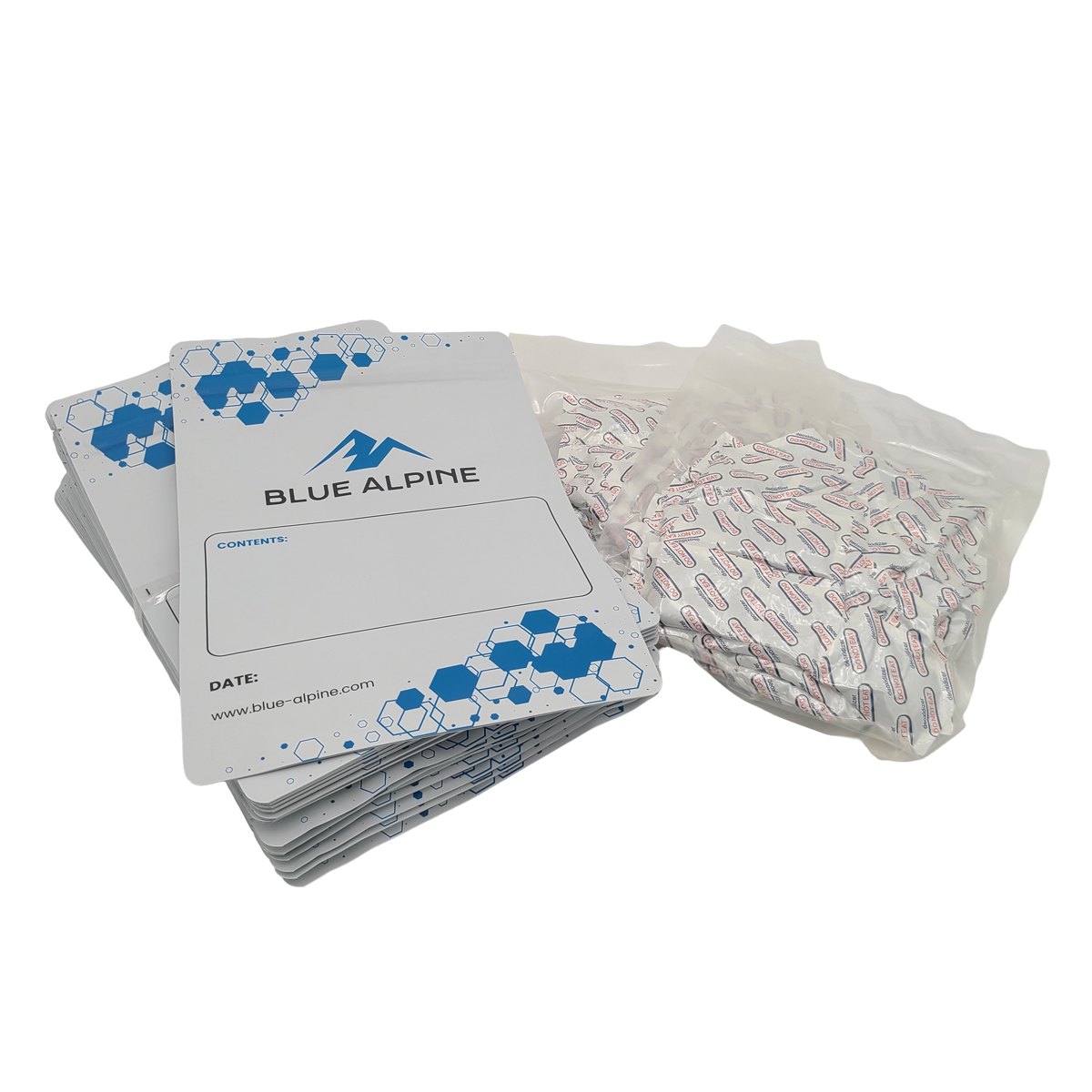
Blue Alpine Mylar Bags with Oxygen Absorbers
If the bag itself is suspect along with the packet, this set pairs new mylar bags with fresh absorbers, so the whole seal starts from known-good parts. Use code TRULYPRESERVED at checkout for 10% off.
$32.39 from Blue AlpineViewers also searched for these items.


COOQUI 12-Inch Tortilla Warmer
An insulated fabric warmer sized for full-size flour tortillas. Thirty to forty-five seconds in the microwave and it holds the stack warm and soft for up to an hour at the table.
$19.99 from AmazonFrequently asked questions
Can I reuse an absorber that still feels soft?
Soft means capacity remains, but you cannot tell how much. Makers treat absorbers as single-use for food storage: a packet that was opened and promptly stored in a jar is fine to use, while one that sat out on the counter has an unknown amount of life left. For food you are sealing away for years, unknown is not good enough.
My absorber got hot. Is that dangerous?
Warm is the reaction working, and it is normal. A stack of absorbers left exposed in an open pack can get uncomfortably hot and fog the bag with condensation, which is one more reason makers say to use them or get them stored within minutes. Spread out and used as directed, the warmth is a sign of life, not a hazard.
How long does an absorber keep working inside a sealed bag?
It works until the oxygen in the bag is gone — about two hours of exposure fills one in open air — and then it stops, because there is nothing left to react with. PackFreshUSA also notes that an oversized absorber keeps absorbing oxygen that leaks in later, even years later, which is why sizing a little large is cheap insurance.
The packet inside my year-old rice bag is hard. Did it fail?
Almost certainly not. Hard inside a sealed bag usually means the absorber did its job at sealing time and finished. It only had to work once. What matters is that the bag drew down tight back then and the seal still holds now.
Sources & freshness: PackFreshUSA, “Learning About Oxygen Absorbers” (maker guidance on the pinch test, the vacuum-pack hardness trap, and the oxygen indicator), read November 12, 2026; our mylar bags guide for pack-design and sizing data.
More answers like this one: This question belongs to Preserve the Pantry and our food storage questions page. Keep going with how long absorbers last once opened and the mylar bags guide.
Talk it over with other readers. The Truly Preserved Community on Facebook is where readers compare notes on food storage, water, and backup power — and where your questions help decide what we research next. Join the group →
Prices shown on this page were last checked November 26, 2026 — prices change; check before you buy.