
Truly Preserved is reader-supported. If you buy through a link on this page we may earn a commission at no extra cost to you. Nobody pays for placement or scores.
The short answer: warm soapy water, warm water, and a dry cotton cloth — that is the entire cleaning kit every freeze dryer maker prescribes. The chamber and shelves get warm soapy water and a warm-water rinse. The door gasket gets warm water only. The acrylic door gets warm water and a dry cotton cloth, and Harvest Right’s manual is explicit about it: no cleaners on the door at all. This page started with a freeze-drying group thread that drew 63 comments — “What are you all using to clean your FD? …I need something better than this crazy contraption!!” — plus two smaller asks from the same groups that never got a page: what chamber vacuum sealer to buy (5 comments) and what tray dividers and molds are actually for (5 comments). All three answers are below, built from the makers’ own manuals and guides. We work from research: we read the manuals so the thread doesn’t have to argue from memory.
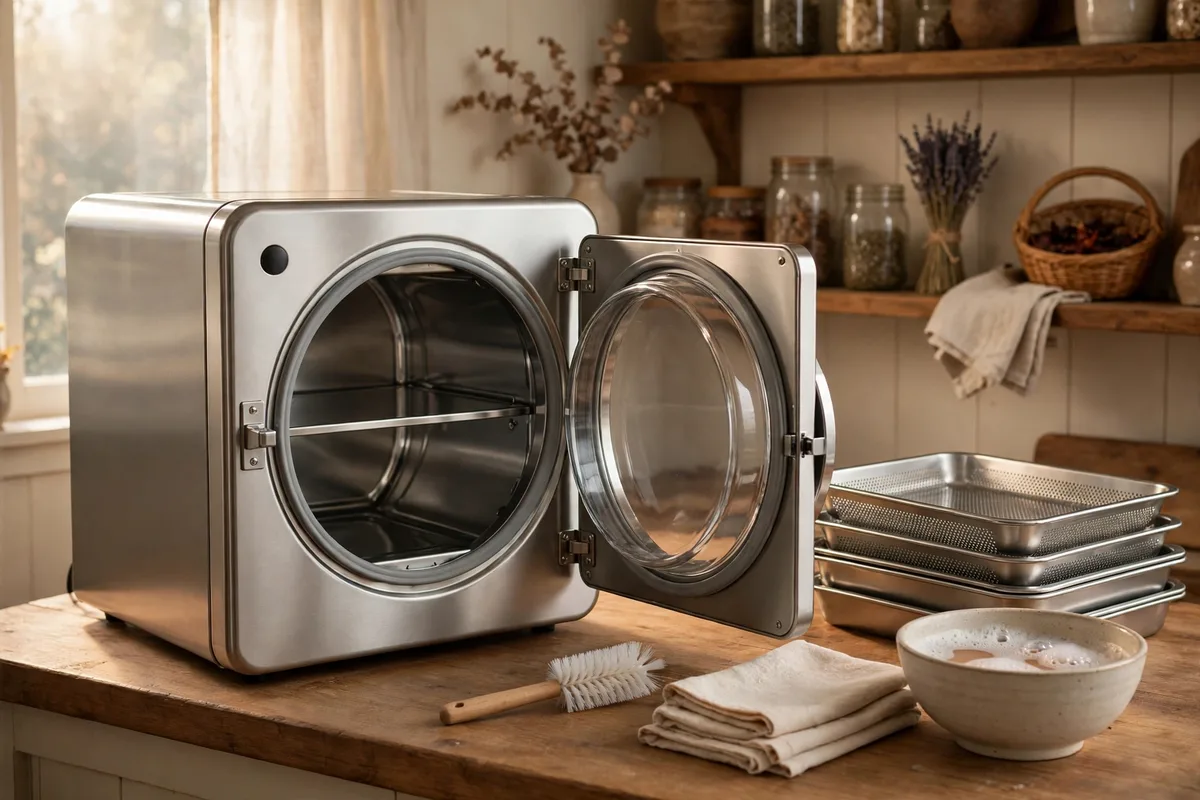
What are you supposed to clean a freeze dryer with?
Warm soapy water is the maker’s whole answer for the parts that touch food. Harvest Right’s owner’s manual has you wash the shelf unit and the inside of the chamber with warm soapy water and rinse with warm water — written for the first setup, and it’s the same treatment the chamber gets for its whole life. Stainless steel doesn’t need anything stronger: what builds up in a chamber is food film, sugar dust from candy runs, and the odd splash of soup, and all of it lets go in warm soapy water with a soft cloth or a soft brush for the corners.
The gasket is the exception that matters. Wash the black rubber door gasket in warm water only, and let it air dry — Harvest Right says do not wipe it dry, because lint left on the gasket breaks the seal. A gasket that looks clean but carries towel lint is how a machine that sealed fine last month starts failing vacuum tests this month. Our freeze dryer maintenance schedule covers the gasket’s place in the pre-batch check; the cleaning rule itself is just warm water and patience.
The acrylic door: water and a cotton cloth, nothing else
The door is where home cleaning habits do real damage. Harvest Right’s manual gives the door its own rule — clean the inside of the acrylic door with a dry cotton cloth and warm water, no cleaners — and it’s a rule, not a suggestion. Acrylic clouds and crazes under the glass cleaners and solvents that live under most kitchen sinks, and a clouded door is a door you can’t watch a batch through. If the door has a sticky film from a candy run, warm water and time take it off. If it doesn’t come off with warm water, the answer is more warm water, not a stronger bottle.

COOQUI 12-Inch Tortilla Warmer
An insulated fabric warmer sized for full-size flour tortillas. Thirty to forty-five seconds in the microwave and it holds the stack warm and soft for up to an hour at the table.
$19.99 from Amazon
Sour Patch Kids (5 lb)
The bulk bag is the economical way to feed a freeze dryer — one bag fills several tray loads, and the pieces are the standard size every candy-mode timing is written for.
$20.99 from Amazon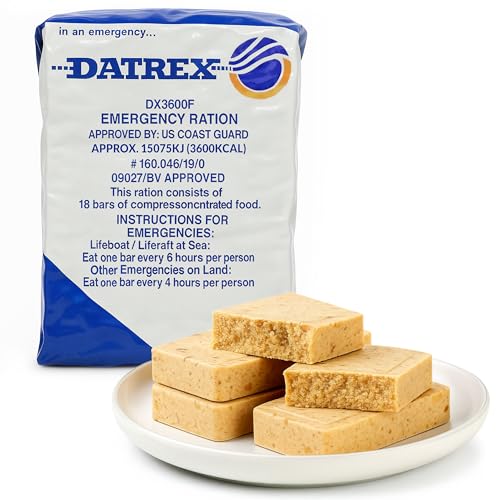
Datrex 3600
Eighteen individually wrapped 200-calorie bars and a six-ingredient label — the pack that stays fresh after you open it.
$24.99 from AmazonThe defrost is the cleaning you do most
Most chamber cleaning is really meltwater management. Harvest Right’s FAQ has the chamber completely free of ice and water before every new food batch, which means a defrost after the last one — open the drain valve, let the melt run out through the drain hose into a pan or bucket, then wipe the chamber and shelves dry. Stay Fresh’s Freeze Dryer 101 guides add the two habits that keep the machine from smelling like it needs a deep clean: clean the drain line after every batch, and leave the door and drain valve open when the machine sits idle so the chamber and drain air-dry completely. Stay Fresh is blunt about the neglected version: a drain line left wet grows mold, and fixing that means a full disassembly and a tube brush. The sour smell owners chase with stronger and stronger cleaners is almost always a wet drain line or water trapped in the gasket’s groove — Stay Fresh’s pre-batch check has you pull the gasket and look for exactly that. Dry beats strong, every time.

JB Industries Black Gold Vacuum Pump Oil
Cleaning the chamber is only half the job — the pump oil is the consumable that clouds up while you work, and Black Gold is the premium oil freeze dryer owners reach for at change time.
$54.50 from Amazon
Robinair Premium High Vacuum Pump Oil
The budget-friendly vacuum pump oil that does the same job for owners who change oil on a strict every-batch schedule and go through it faster.
$16.79 from AmazonCleaning is not the same job as maintenance
Nothing on this page touches the pump. Oil changes, oil filtering, demister checks and storage prep run on their own intervals — every 20 to 30 batches for a Harvest Right Premier pump, far more often for the older Standard — and they live on our freeze dryer maintenance schedule, which is built from the same manuals. Which oil is legal in which pump, including the two third-party oils two makers approve by name, is its own argument and has its own page: do you have to buy oil from Harvest Right? Clean the chamber with soap and water; maintain the pump on the schedule; don’t let the two jobs blur.
Do you need a chamber vacuum sealer to go with it?
The second unanswered ask in the groups — “what kind of chamber vac do people use and recommend?” — comes from a real gap in the packaging lineup. A chamber vacuum sealer is not a 25-year storage tool; mylar bags with oxygen absorbers do that job, and no chamber machine changes it. What a chamber vac does better than an edge sealer is the next six months of eating: it seals smooth, cheap pouches instead of textured channel bags, it seals liquids and wet foods without sucking the juice into the seal, and it pulls a strong vacuum on freeze-dried food headed for the pantry shelf, a gift box, or a backpack. For owners who package a batch every week, that difference is the whole purchase.
Avid Armor USV20 — the chamber machine from our sealer comparison
The USV20 is the chamber pick in our vacuum sealer comparison, where it scored 8/10 against the Nesco VS-12 and the FoodSaver Elite on seals, bags, and cost per seal — the comparison works the chamber-versus-edge math in full, including the roughly 530 seals it takes for cheap chamber pouches to pay back the machine’s premium. If you only seal a batch now and then, that page will talk you out of the chamber machine and into the edge sealer, and it’s right. If you package weekly, the chamber is the tool the group thread was reaching for.

Blue Alpine Medium Select
Higher cooling capacity shortens batch times, and owners praise the customer service. Up to 15 lbs per batch — the fastest route from harvest to a shelf that lasts decades. Use code TRULYPRESERVED at checkout for 3% off.
Check the price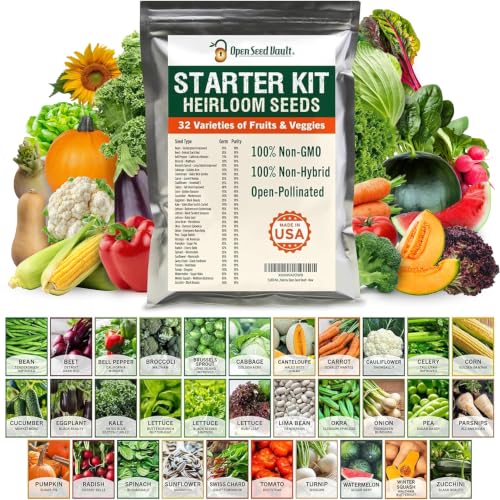
Vegetable & Fruit Seeds
4.6 stars across roughly 14,600 Amazon ratings — the deepest owner record here — but the calorie crops are thin: 15 to 25 seeds of beans, peas, and pumpkin.
$28.99 from Amazon
COSORI Dehydrator
A fruit roll sheet in the box, temperature set to the degree, and a 48-hour timer that ends the batch before it over-dries.
$135.99 from AmazonWhat are tray dividers and molds for?
The third ask — “what do I use dividers and molds for?” — is a portioning question. Dividers partition a single tray into sections, so two or three different foods can share one tray without touching: the onions stay out of the strawberries, flavors don’t trade, and each section comes off the tray as a measured portion instead of a sheet you break apart by guess. Molds do the same job for foods that have no shape of their own. Yogurt, smoothies, pudding, beaten eggs, broth and soup go into a freeze dryer as liquid; in a mold they freeze and dry as uniform small portions that stack, pack, and rehydrate evenly. Harvest Right sells its own silicone food molds sized to fit its medium and large trays, with each section holding about a tablespoon — the size is the point. Small portions dry through; a deep pour of liquid is the slowest load a machine can run, so molds for liquids stay ice-cube-sized or smaller.
Silicone mats are the third piece of the same kit: they line a tray so sticky loads — candy, fruit leather mixtures, marinated anything — release cleanly instead of welding themselves to the stainless. Blue Alpine sells mats and extra trays cut for its own machines, which matters more than it sounds like it should: an extra set of trays means the next batch is loaded and pre-freezing while the current one runs.
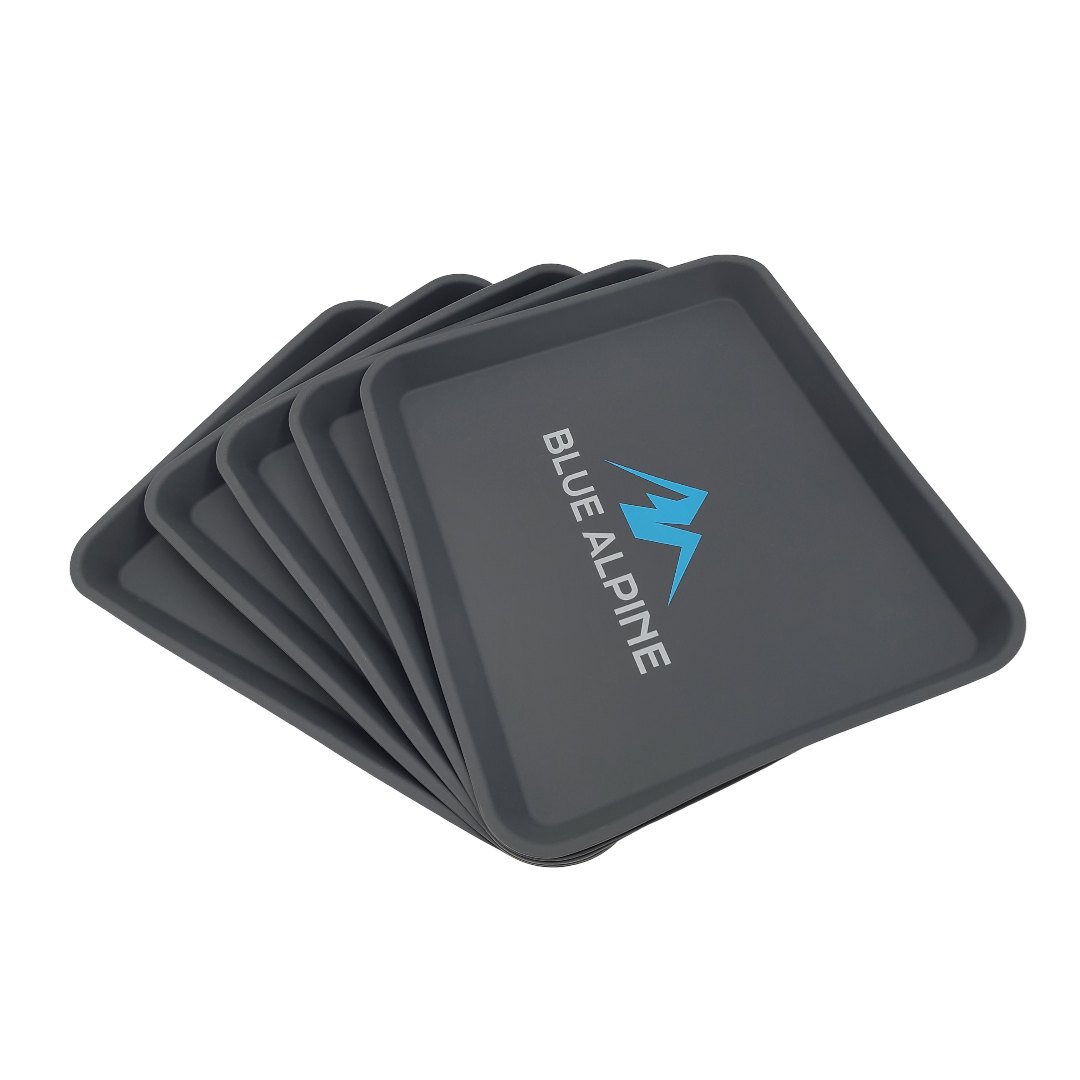
Photo: Blue Alpine.
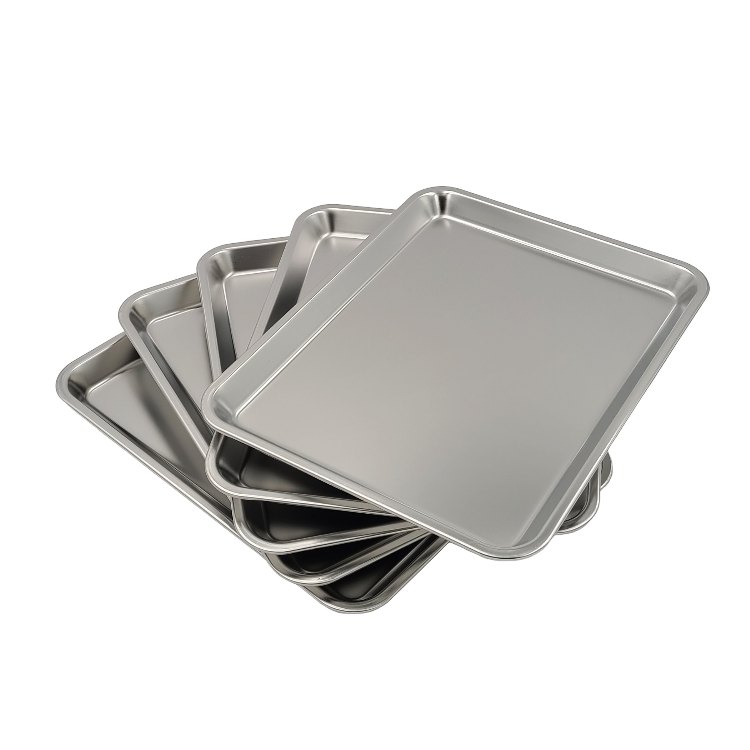
Photo: Blue Alpine.
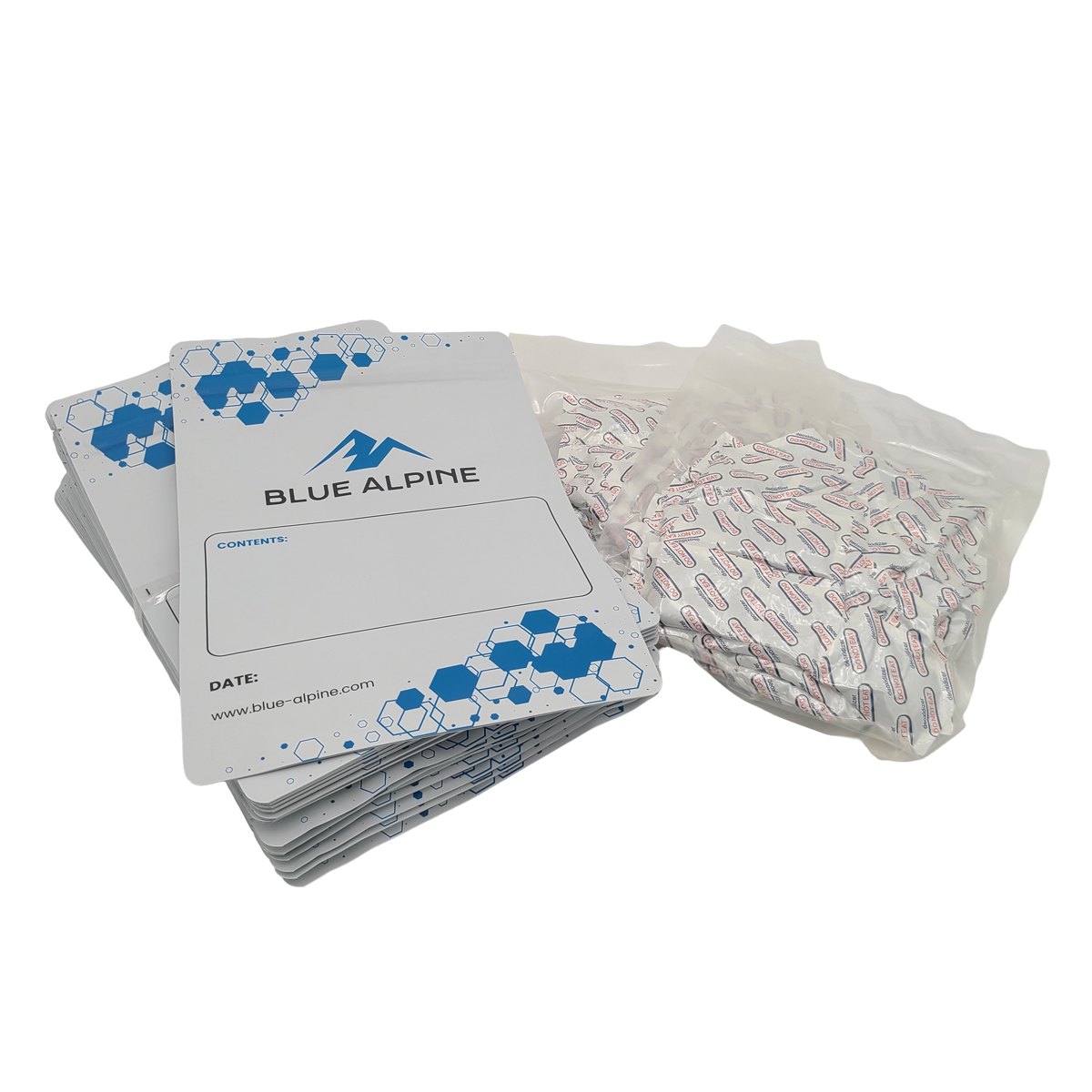
Blue Alpine Mylar Bags with Oxygen Absorbers
A freshly cleaned machine earns its keep on the next batch — and that batch goes straight into mylar bags with absorbers for long-term storage. Use code TRULYPRESERVED at checkout for 10% off.
$32.39 from Blue Alpine
PackFreshUSA 500cc Oxygen Absorbers
The absorber size for gallon bags of freeze-dried food, in factory-sealed packs that stay fresh until the day you seal.
Check Availability
Wallaby 1-Gallon Mylar Bags
Thick gallon-size mylar for the batches coming off the clean trays — the standard storage bag size for home freeze drying output.
Check AvailabilityFrequently asked questions
Can I use vinegar, bleach, or a sanitizer spray inside the chamber?
No maker’s guide we read sanctions any of them. The manuals prescribe warm soapy water for the stainless and warm water only for the gasket and door — and the door rule is the hard one, since acrylic is the surface cleaning chemicals damage. If a chamber needs more than soap and water, the problem is almost always a wet drain line or a loaded gasket groove, and the fix is drying, not chemistry.
How do I get a sour smell out of my freeze dryer?
Work the water trail: drain the defrost completely, clean the drain line, pull the gasket and check its groove for trapped water, wash the gasket in warm water and air-dry it, then leave the door and drain valve open until the chamber is fully dry. Stay Fresh’s guides treat odor as a moisture problem, and their fix is the air-dry, not a deodorizer.
Can I take the trays and shelf unit to the sink?
The trays are stainless sheet pans — wash them in hot soapy water like any pan and dry them completely before they go back in; a wet tray is frost the next batch has to melt. The manual’s own first-run instruction is to wash the shelf unit with warm soapy water, so the sink is exactly where it belongs. Just keep water and cloths away from the machine’s vents and electronics.
Do silicone molds slow down a batch?
Deep ones do. Freeze drying time follows thickness: a tablespoon-sized mold portion dries like the thin layer it is, while a deep mold of soup is a thick block that can add hours. Keep liquid portions small — ice-cube size or less — and molds speed a batch up by portioning it, instead of slowing it down.
Sources & freshness: Harvest Right Owner’s Manual and Use & Care Manual (chamber and shelf washing, acrylic door rule, gasket washing and air-drying, drain valve and defrost handling), Harvest Right FAQ (defrost between batches), Stay Fresh Freeze Dryer 101 guides (drain-line cleaning, idle air-drying, gasket-groove check) — read for our maintenance schedule and re-read November 12, 2026; Harvest Right silicone food molds product listing (tray fit, tablespoon sections); Truly Preserved post 620 (USV20 scoring and chamber-versus-edge cost math).
Talk it over with other readers. The Truly Preserved Community on Facebook is where readers compare notes on food storage, water, and backup power — and where your questions help decide what we research next. Join the group →
Viewers also searched for these items.

Thrive Life: Freeze-Dried Blueberries - Pantry Can Size
Freeze-dried food by the can, no machine: the same long-life ingredients the kits are built from, bought a can at a time.
$60.00 from Amazon
Centrum Adult Multivitamin
The boring, complete answer to the BYU numbers: one bottle covers a person for months, stores beside the food, and costs less than a single freeze-dried entree.
$12.00 from Amazon
Millennium Energy Bars (SOS Food Lab)
Nine real flavors and the only bar here people call genuinely good. Single 400-calorie bars made for go-bags and school kits.
$19.99 from AmazonPrices shown on this page were last checked November 26, 2026 — prices change; check before you buy.