
Truly Preserved is reader-supported. If you buy through a link on this page we may earn a commission at no extra cost to you. Nobody pays for placement or scores.
The short answer: a used freeze dryer is worth roughly two-thirds of its new price when it’s clean and running — and the discount exists because Harvest Right’s warranty dies with the first owner. The maker’s warranty text says it in one line: “If you are not the original owner of the freeze dryer, the warranty no longer applies.” This page exists because the secondhand market has real volume and no map. In one pass through the public freeze-drying groups we counted a member asking where to sell a large Harvest Right (27 comments), two mediums listed in the feed at $1,600 each, and a shopper asking if a large Harvest Right at $299 was too good to be true (it was). The comparison pages price new machines; this page prices the used ones, and walks the checks that decide whether a specific machine is a bargain or a project.
What is a used freeze dryer worth?
Start from the new ladder. Harvest Right’s own store prices, verified for our sizes comparison: Small $1,895, Medium $2,395, Large $2,995, X-Large $4,995. Against that ladder, the used market’s clearest data point is the Medium: two of them listed in the groups at $1,600 — about 67 cents on the new dollar. That two-thirds level is where a clean, running, honestly described machine changes hands, and the discount is not haggling room; it’s the price of everything the buyer gives up. No warranty, at any age. A pump with unknown hours on oil of unknown age. A gasket with unknown life left. Price a used machine as if the first repair is yours, because it is.
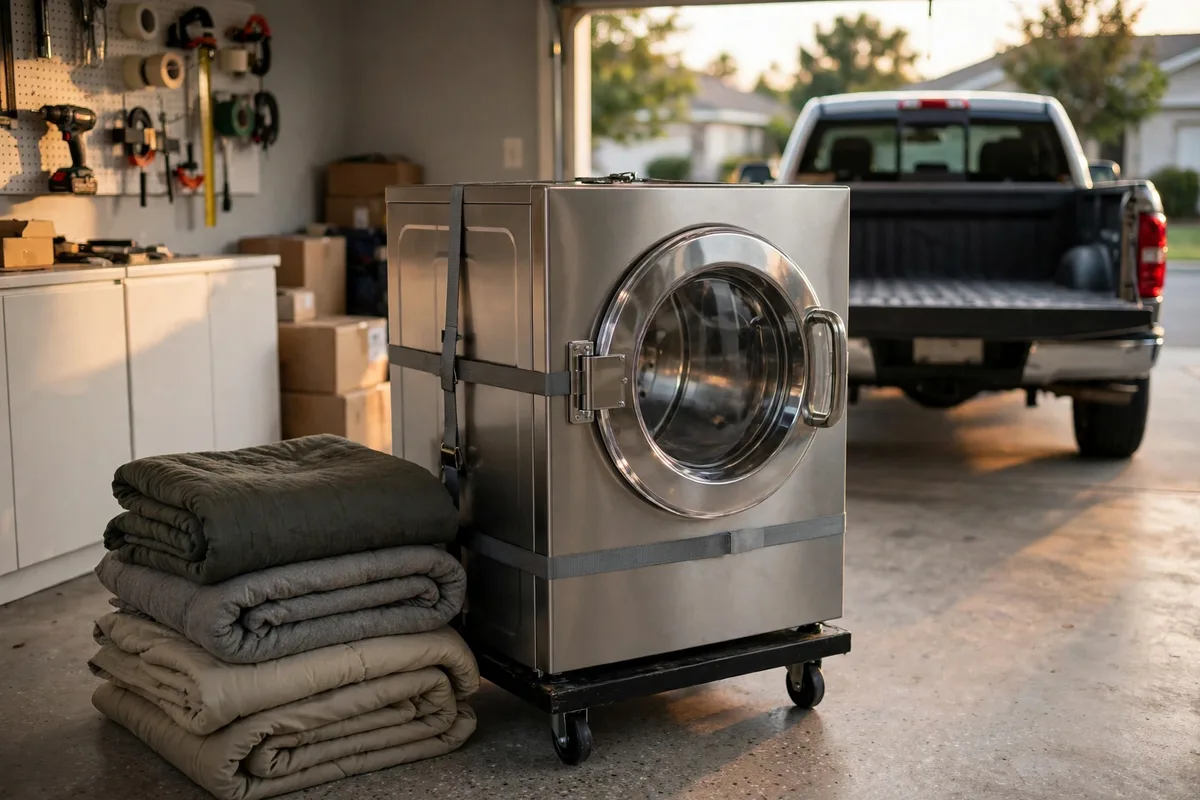
The Large ask from the same groups shows the other failure mode. A seller in Austin listed a large Harvest Right asking $3,000 — five dollars more than Harvest Right charges for a new one, with a warranty, shipped from the maker. Used asks priced at or above the new ladder sit until the seller learns the ladder. If you’re selling, that table is your ceiling, not your target.
| Size | New (Harvest Right store) | Used ask we saw | Note |
|---|---|---|---|
| Small | $1,895 | — | No listing seen in this pass |
| Medium | $2,395 | $1,600 | Two listings, group feed — ≈67% of new |
| Large | $2,995 | $3,000 | An ask above new; expect it to sit |
| X-Large | $4,995 | — | No listing seen in this pass |
New prices verified October 2026 on Harvest Right’s store for our sizes comparison; used asks are asking prices observed in the public groups in late October 2026, not confirmed sale prices — a listing is what a seller hopes, and the gap between the Medium’s $1,600 and the Large’s $3,000 is the difference between hoping with the market and hoping against it.
Where used freeze dryers actually sell
Locally. Every pattern in the groups points the same way: the freeze-drying groups themselves tolerate member listings, Facebook Marketplace does the rest, and pickup is the norm — because the alternative is freight. Owners who have shipped machines back to Harvest Right for repair report freight alone running to hundreds of dollars, and a used sale carries the same physics with nobody’s warranty department absorbing it. A machine three states away has to be hundreds of dollars cheaper than the same machine across town before the shipping risk and freight cost even out, and it almost never is. Buy the one you can stand in front of.

JB Industries Black Gold Vacuum Pump Oil
This page's rule is simple: murky oil has taken on water and needs changing now, whatever the seller says the batch count is. A used buyer changes the oil first; a smart seller changes it before listing and says so, with the date.
$54.50 from Amazon
Robinair Premium High Vacuum Pump Oil
The lower-cost vacuum pump oil for the same first change — the pump is the wear item that decides a used machine's value, and fresh oil is how you find out what you actually bought.
$16.79 from AmazonThe checks to run before money moves
- Watch it pull vacuum, empty. This is the maker’s own test and it settles most of the argument: chamber empty and dry, drain valve closed, door latched to its second stage, pump on — the screen should reach 500 mTorr or lower. A machine that does that has a working pump, a sealing door, and honest refrigeration’s partner systems. A seller who won’t run the test has answered your question a different way.
- Name the pump, then look at its oil. A Premier oil pump, an older Standard, and an oil-free pump are three different ownership costs. On an oil pump, read the sight glass: oil that has gone murky has taken on water and needs changing now, whatever the batch count says — that’s Stay Fresh’s color rule, and it works on any brand. Blue Alpine puts a typical pump’s working life at 3 to 5 years, or 8 to 10 with proper care, so the pump’s state is the machine’s state.
- Ask for the batch history. The machine keeps one: Harvest Right’s guides describe capturing the batch history to a thumb drive in the USB port beside the screen, where it lands in a file called “Harvest.” A seller with the history file has nothing to hide; a claimed “only ran it twice” with no history is a story, priced like one.
- Read the door and gasket. Close the door and look for the thin line running around the middle of the gasket where it presses the acrylic — an unbroken line is a sealing door. Then ask how the machine has been moved: Harvest Right’s manual warns against ever lifting the freeze dryer from the bottom of the door, because it can misalign the door and cost you the seal. A machine carried by its door is a machine that may never pull down right again.
- Photograph the serial plate; ask for the receipt. The warranty clock runs from the original ship date, and Harvest Right puts the burden of proof on paperwork — their warranty tells owners to keep the delivery slip or purchase receipt to establish the period. On a used machine the warranty is void either way, but the receipt is still the only honest date on the machine, and it tells you whether “two years old” is a fact or a rounding choice.
- Count the pieces. Trays for the size (Small 4, Medium 5, Large 6, X-Large 7, from the maker’s tray sizes in our sizes comparison), the vacuum hose, the oil filter if it has one, and the drain valve working. Missing trays come out of the price, because you’ll be buying them at retail.

Nesco VS-12
A full-featured countertop sealer for bagging batches before they go into storage.
$108.18 from Amazon
Sour Patch Kids (5 lb)
The bulk bag is the economical way to feed a freeze dryer — one bag fills several tray loads, and the pieces are the standard size every candy-mode timing is written for.
$20.99 from Amazon
COOQUI 12-Inch Tortilla Warmer
An insulated fabric warmer sized for full-size flour tortillas. Thirty to forty-five seconds in the microwave and it holds the stack warm and soft for up to an hour at the table.
$19.99 from AmazonThe $299 large: anatomy of a scam listing
The shopper who asked the group about a large Harvest Right for $299 had already done the math that matters: a Large is a $2,995 machine new and a roughly $2,000 machine used, and nobody sells one for a tenth of that by accident. The too-good listing follows a pattern that repeats across every used-equipment market: a price at a fraction of the going rate; marketing photos or another owner’s kitchen photos instead of the seller’s own; a story that explains why it must ship (“moving,” “it’s my late husband’s,” “deployed”); payment by wire, gift cards, or a peer-to-peer app to a stranger; no serial number photo and no video of the machine running, because there is no machine. The defenses are boring and total: local only, in person, watch it pull vacuum, pay when you load it. A deal that can’t survive those four rules was never a deal.
Selling yours: what gets a used machine sold
The sellers who move machines do the buyer’s checks for them, in the listing. Clean the chamber and trays — the method is warm soapy water and a dry chamber, and our cleaning and accessories guide covers it. Change the oil and say so, with the date. Photograph the serial plate and the screen mid-test showing a reading at or under 500 mTorr. State the batch count, the pump model, and what trays and accessories are included. Price against the new ladder — if a new Medium is $2,395, a clean used one lives near $1,600, and an ask at the new price is an ad for Harvest Right’s store, not for your machine. Local pickup, machine demonstrated running at handoff: that listing sells, because it answers every question this page taught the buyer to ask.
Blue Alpine Medium Select Freeze Dryer
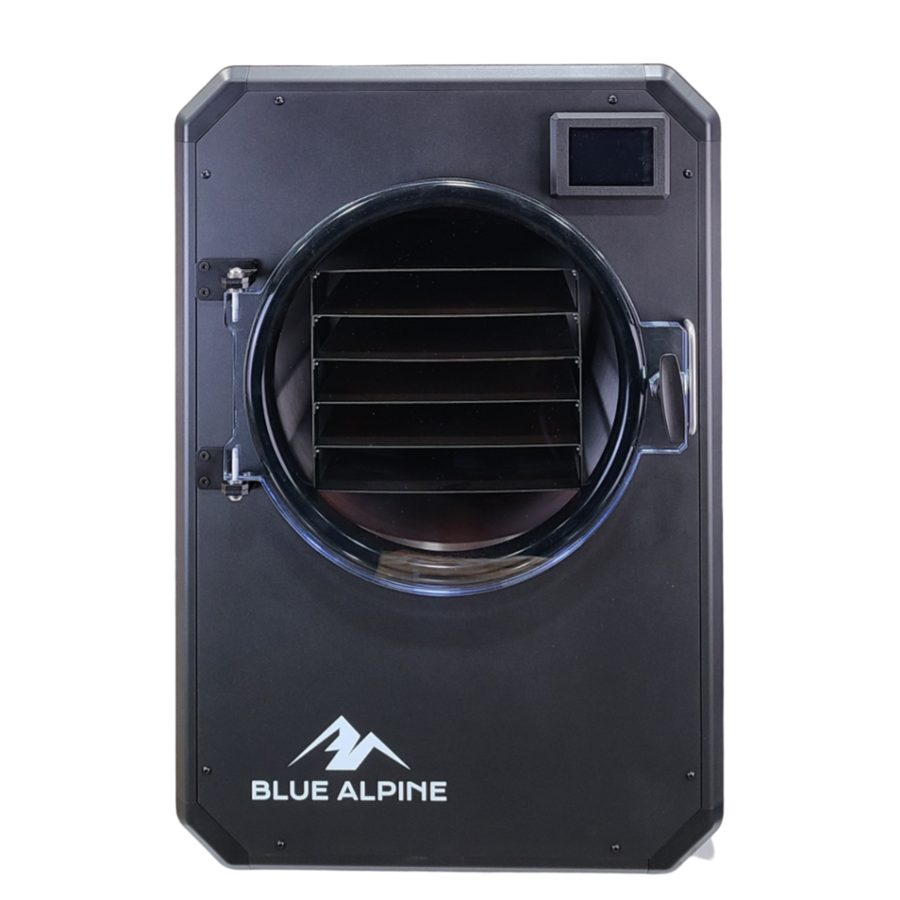
Used Blue Alpine machines are the thin end of the market, as this page notes — buying new from the maker is the other side of that same decision, with the maker's own coverage behind it. Use code TRULYPRESERVED at checkout for 3% off.
Check the priceFrequently asked questions
Does the Harvest Right warranty transfer to a second owner?
No. Harvest Right’s published warranty excludes it outright — exclusion ten in the current text: “If you are not the original owner of the freeze dryer, the warranty no longer applies.” Their current warranty page says the same thing the long way: coverage extends only to the original purchaser and is non-transferable. Any used listing that advertises “still under warranty” is advertising something the maker will not honor for you.
Is $1,600 a fair price for a used Medium?
It’s the price we actually observed — two Mediums listed at $1,600 in the groups, against $2,395 new. Fair depends on the machine in front of you: at $1,600 with a clean 500-mTorr test, clear oil, full trays, and a receipt, you’re paying 67% of new for a machine with no warranty, which is the trade the discount exists to cover. At $1,600 untested, you’re gambling the same money.
What about used Blue Alpine or Stay Fresh machines?
The thin end of the market — most used listings are Harvest Right simply because most machines are. The same checks apply: watch it pull vacuum, read the pump oil, count the trays. What we can’t give you is their warranty-transfer answer from their own texts the way we can Harvest Right’s; both makers’ terms are theirs to state, so get the answer from the maker, in writing, before you price a machine around coverage it may not have.
Should I buy a used machine that “needs a pump”?
Only at a price that treats the pump as the purchase. Blue Alpine’s own lifespan figures — 3 to 5 years typical, 8 to 10 with care — tell you the pump is the wear item that decides a used machine’s value, and a freeze dryer with a dead pump is a cabinet with trays. Price it as parts and a project, or walk to the next listing.
Sources & freshness: Harvest Right warranty page and 3-Year Limited Warranty text (non-transferability, exclusion 10, receipt rule), read November 12, 2026; Harvest Right Owner’s Manual (500 mTorr setup test, door-lifting warning); Truly Preserved post 496 (new-price ladder and tray counts, maker store verified October 2026); public freeze-drying group listings and questions, late October 2026 (Medium asks at $1,600, Large ask at $3,000, the $299 question); Blue Alpine pump-life figures and Stay Fresh oil color rule via our maintenance schedule.
Talk it over with other readers. The Truly Preserved Community on Facebook is where readers compare notes on food storage, water, and backup power — and where your questions help decide what we research next. Join the group →
Viewers also searched for these items.


METRONIC Impulse Sealer
Mylar does not seal with a vacuum sealer's bar alone — an impulse sealer makes the wide, even heat seal that closes a mylar bag for real, which is the difference between stored and merely bagged.
$39.99 from Amazon
COSORI Dehydrator
And the dehydrator side — a tenth of the price, and the right tool for the high-fat half of the list.
$135.99 from AmazonPrices shown on this page were last checked November 26, 2026 — prices change; check before you buy.