
Truly Preserved is reader-supported. If you buy through a link on this page we may earn a commission at no extra cost to you. Nobody pays for placement or scores.
The short answer: the demand is real, the math works at $6 to $9 per tray, and the legal lines are brighter than most owners expect — meat and pet food are where they bite. Two asks from the public freeze-drying groups frame this page. From Sarasota: “Can I rent time on your freeze dryer? …Mine are pet products, so I want to be upfront that I work with meat” (17 comments, 14 reactions — people answered). From Michigan: “Does anyone freeze-dry food for others… homemade, shelf-stable emergency meals?” (5 comments). Between the asking and the earning sit three things: what a batch actually costs you, what the going rate looks like where anyone publishes one, and a set of state rules that treat candy, produce, meat, and pet treats as four different businesses. This page works all three from published sources — one farm’s rate card, our own batch-cost study, and the state agriculture and health departments’ own FAQs. It is a map of where the lines sit, not legal advice; the last word belongs to your state’s department of agriculture or health, in writing, before the first paying batch.
What does a batch actually cost you?
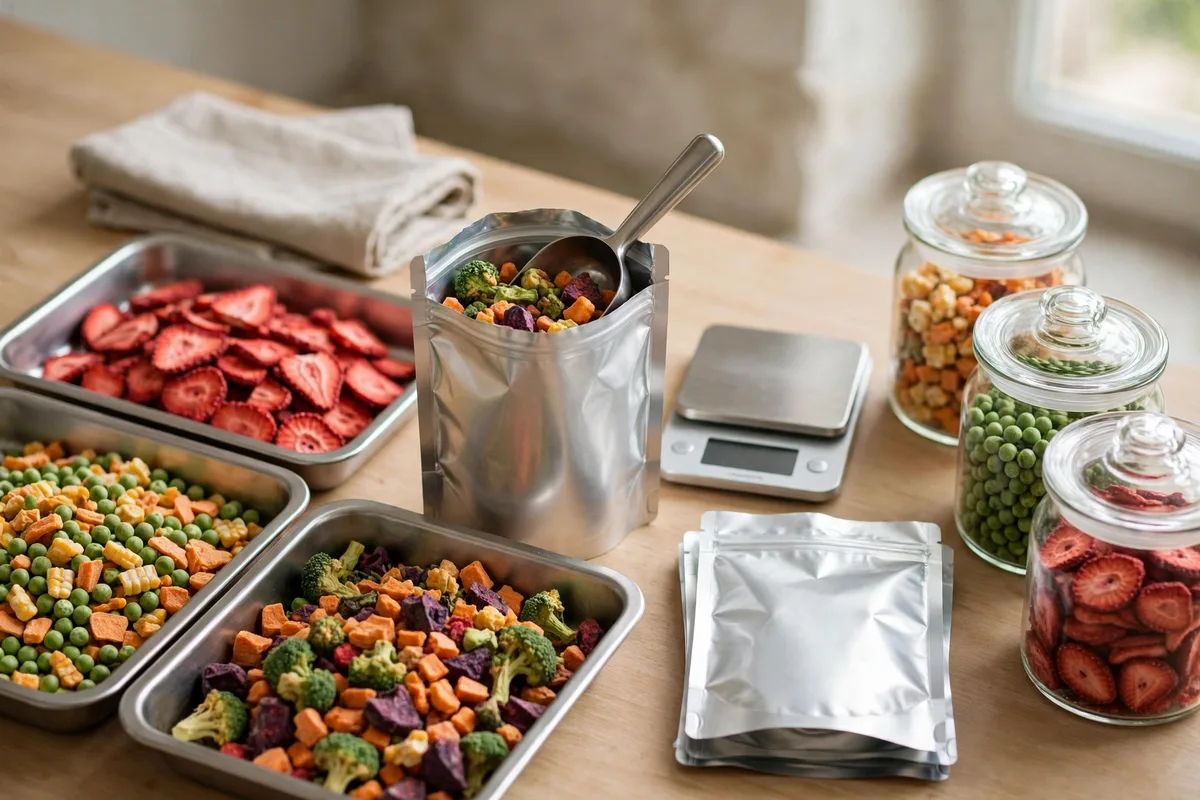
Our cost-per-pound study priced a Medium Harvest Right batch line by line, and it’s the floor under any rate you quote. The run cost is $7.56: about $3.63 of electricity (roughly 20 metered kWh at the EIA’s 18.16¢ average residential rate), about a dollar of pump oil at the makers’ change intervals, and $2.93 of packaging — a mylar bag and oxygen absorber per tray.
Count the machine itself wearing out across 500 lifetime batches and the all-in cost is $12.35 a batch, about 99 cents per fresh pound. That’s the number a free favor costs you, and the number a paying batch has to beat before the word “profit” applies.
The second cost is time, and it’s the one new sellers underprice. A batch owns the machine for a day or more: the rental example below runs from Skittles at about 12 hours to tomatoes at about 52. While a customer’s food is in your chamber, your harvest isn’t. A freeze dryer running other people’s food is a machine that isn’t running yours, and the rate has to rent the calendar, not just cover the power bill.
| Cost line (Medium batch) | Amount |
|---|---|
| Electricity (~20 kWh at 18.16¢) | $3.63 |
| Pump oil, at change intervals | ~$1.00 |
| Bags + oxygen absorbers (5 trays) | $2.93 |
| Run cost per batch | $7.56 |
| All-in, with machine wear over 500 batches | $12.35 |
Figures from Truly Preserved’s freeze-drying cost-per-pound study (October 2026), built on metered batch energy, the EIA average residential rate, and maker-store packaging prices.
What do people actually charge?
Published rate cards are rare — most of this trade runs on group messages — but one working farm prints theirs. The Rocking Tree Farm in Montana rents time on its Harvest Right at $6 per tray for batches under 30 hours and $9 per tray for batches over 30 hours, with a $20 reservation fee that applies to the final bill. Their own examples sort the pricing honestly: candy at about 12 hours lands in the cheap tier; tomatoes at about 52 hours pay the long tier. Run that card against a Medium’s five trays and a batch brings $30 to $45 against a $7.56 run cost — the spread is what pays for the machine’s wear, your loading and packaging time, and the day and a half the chamber wasn’t yours.
The floor under the market is not a market price at all: Ohio State University’s Extension rents its freeze dryer to the community at $10 per use — and its rules say plainly, not for commercial use. That’s a public program subsidizing first tries, not competition. If your neighbors can rent at extension prices, your customers are the people who need the long batches, the packaging, and the reliability a sign-up sheet can’t offer.

Thrive Life: Freeze-Dried Blueberries - Pantry Can Size
Freeze-dried food by the can, no machine: the same long-life ingredients the kits are built from, bought a can at a time.
$60.00 from Amazon
COSORI Dehydrator
A fruit roll sheet in the box, temperature set to the degree, and a 48-hour timer that ends the batch before it over-dries.
$135.99 from Amazon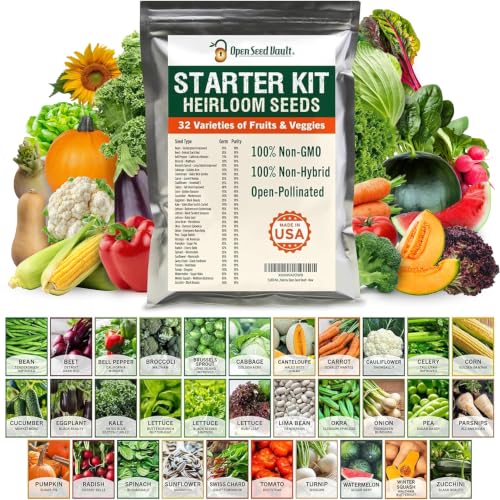
Vegetable & Fruit Seeds
4.6 stars across roughly 14,600 Amazon ratings — the deepest owner record here — but the calorie crops are thin: 15 to 25 seeds of beans, peas, and pumpkin.
$28.99 from AmazonThe three shapes the work takes
Renting time. The customer comes to the machine, loads their own food, and collects it when it’s done — the Rocking Tree model, down to their terms making the renter responsible for cleaning the machine and trays after their batch. You sell access and supervision; their hands are on their food the whole way.
Drop-off service. They bring food, you run it, package it, and hand it back — the Michigan ask, homemade meals made shelf-stable. You sell the whole job, and you own the whole job: chamber cleanliness between customers, packaging, and what happens if a batch fails.
Selling what you dry. A different business wearing similar clothes. The moment the dried food itself is sold, you’re a food seller under your state’s rules — the candy sellers already live here, and their startup costs, licensing answers, and margin math live in our candy-business pages: what a freeze-dried candy business costs to start, whether you need a license to sell freeze-dried candy, and the candy margin calculator. Whether owning the machine pays at all, at your batch volume, is the payback calculator’s question.
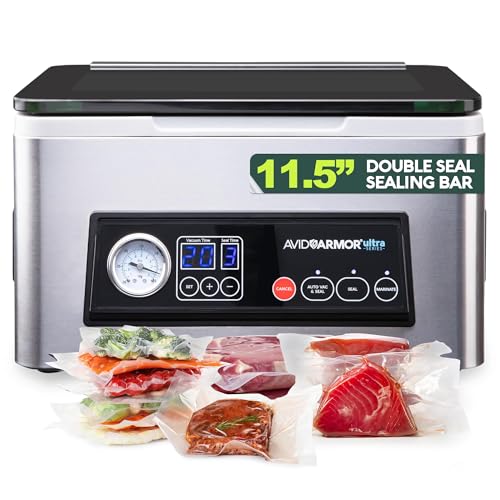
Avid Armor USV20
The chamber machine: soups, marinades and smooth cheap pouches — if it fits in an 11 x 10 pouch.
$349.00 from Amazon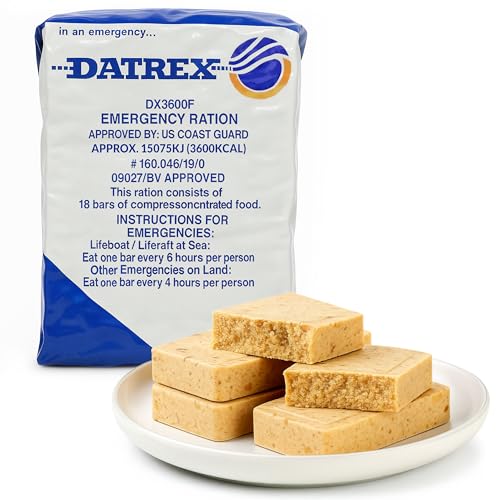
Datrex 3600
Eighteen individually wrapped 200-calorie bars and a six-ingredient label — the pack that stays fresh after you open it.
$24.99 from Amazon
Blue Alpine Medium Select
Faster cycles — 12 to 20 hours on Blue Alpine's figures — quarter-sheet trays, and silicone mats in the box. More machine than a first month needs; the one to read about before you buy twice. Use code TRULYPRESERVED at checkout.
Check the price

Gardeners Basics Seed Vault
The only vault that prints an exact count for every variety — exact per-variety counts on the listing, a resealable mylar outer bag, and plant markers included.
$23.95 from Amazon
Where the legal lines sit
Every source below is a state agency’s own published guidance, and the pattern across them is consistent even where the details split. Treat it as the shape of the law, then confirm your state’s version before you charge anyone.
Selling food you dried runs through cottage food rules — and freeze drying sits oddly in them. Cottage programs cover a list of named low-risk foods, and states split on the dryer itself. Washington’s Department of Agriculture answers the freeze-drying question directly: you may freeze dry products that are on the allowable cottage list — but freeze drying fresh fruits and vegetables is not allowed under its cottage permit at all. Maryland’s Department of Health says freeze drying requires a food license, full stop, with one carve-out owners actually use: freeze-dried store-bought candy is allowable, as a non-hazardous food from a commercial source. Alabama’s law goes the other way and allows freeze-dried foods with water-activity testing. The practical read: candy is the common legal on-ramp, produce is where states disagree, and your state’s list — not a forum thread — decides.
Meat is the bright line. Washington’s prohibited list names it without wiggle room: fresh or dried meat or meat products, including jerky, and anything made with meat, poultry, or fish is out under cottage rules. Maryland’s FAQ lands in the same place: meat and poultry are potentially hazardous and federally regulated, and drying meat is not a cottage activity. Meat that reaches the public runs through USDA or state inspection. A home machine and a cottage permit never get there, at any price.
Pet food is feed law, not food law. That matters for the Sarasota ask, because pet products were the whole point of it. Washington’s cottage page states the boundary in one line: the cottage food law applies to human-grade food only, and pet treats are not covered. Pet food is commercial feed under state feed law, which is a different statute with a different office — states license the firm, register each product, or both, through their feed control officials. The permit that lets you sell freeze-dried candy says nothing about freeze-dried pet treats, and the office that wants to hear from a pet-treat seller is usually the department of agriculture’s feed program, not the health department.
Drying other people’s food for a fee is still processing food for the public. Even when nothing is “sold” — the food walks in and walks back out — you’re being paid to process food in a home kitchen, and that’s the activity food-facility licensing exists for. The two agency FAQs above are written around selling, but neither prints a “services are exempt” line, and we found no state source that does. The move that costs nothing: write your state department of agriculture or health department, describe exactly what you want to do — whose food, what foods, what you’d charge — and keep their answer. If the answer is a permit, the permit is cheaper than the fine, and cheaper than a customer’s ruined batch with no paperwork behind you.

Sour Patch Kids (5 lb)
The bulk bag is the economical way to run candy mode: sour gummies sit squarely in the low-fat, high-sugar family that puffs into crisp bites in the dryer, and five pounds fills a lot of trays.
$20.99 from Amazon
JB Black Gold Pump Oil
The second oil owners keep for the same change — either beats the waterlogged oil already in the pump.
$54.50 from Amazon
Nesco VS-12
A 130-watt double pump, a double-seal setting, and an 11.8-inch bar for $134.
$108.18 from AmazonRunning it like a business, not a favor
- Put the terms in writing before food changes hands. Per tray or per batch, who supplies bags and absorbers (that’s $2.93 a batch on our numbers), the deposit — the Montana farm takes $20 up front — and the pickup window.
- Name the failure case. Batches fail and power dies mid-run. Decide now, in the written terms, who eats the loss when a customer’s food comes out ruined through nobody’s fault — because the argument is much worse after.
- Clean between customers like you mean it. A meat batch followed by a vegetarian customer’s produce in an unwashed chamber is a cross-contact problem and a reputation problem. The cleaning itself is the warm-soapy-water routine in our cleaning guide; the business discipline is doing it between every customer’s load, not every few.
- Keep a batch log. Whose food, what it was, when it ran, what you charged. It’s your quality record, your tax record, and the first thing any inspector or unhappy customer asks for.
- No strong-smell loads without a surcharge or a refusal. The Extension rental bans onions and strong-smelling foods outright because a chamber holds smells into the next batch. Your machine, your menu — but decide before the first onion farmer calls, not after.

Score out of 10
Wallaby 1-Gallon Mylar Bags
A service packs in mylar — these are the 1-gallon bags our mylar guide scores highest, and the size most customer orders land in.
Check Availability
PackFreshUSA 500cc Oxygen Absorbers
500cc absorbers for the gallon end of the packing table — sized to the bag, not guessed.
Check Availability
PackFreshUSA 2000cc Oxygen Absorbers
2000cc absorbers cover the big bags and buckets a service gets asked for — the other size on a working packing table.
Check AvailabilityFrequently asked questions
How much should I charge per tray?
The one published rate card we found charges $6 per tray under 30 hours and $9 per tray over 30 hours. Your floor comes from the cost study: a Medium batch costs $7.56 to run and $12.35 all-in, so a five-tray batch priced under about $15 is paying you in experience. The $30–45 the Montana card produces for a full Medium is the realistic market shape today.
Can I freeze-dry a hunter’s deer meat for him, since he’s eating it himself?
That’s the custom-processing question, and it’s exactly the one to put to your state department of agriculture before you say yes. What the published sources establish is the surrounding wall: meat is prohibited under cottage rules, meat for the public runs through inspection, and no state source we read prints an exemption for paid processing in a home machine. His own freezer, his own machine, is his business; your machine and your fee make it yours.
Is renting time on my machine different from a drop-off service, legally?
The published guidance doesn’t print a separate rental category — both are being paid for food processing that happens in your home, on your equipment. The differences that are real are practical: who handles the food, who cleans, and who owns a failed batch. Get your state’s answer for the exact shape you plan to run, not for a shape that’s easier to describe.
Do I need anything special to freeze-dry pet treats for sale?
Yes — a different rulebook. Pet treats are commercial feed: states license the firm and/or register each product through their feed control office, and labeling follows feed rules, not food rules. Cottage food permits don’t reach pet food in any state guidance we read. Start with your state department of agriculture’s feed program.
Sources & freshness: The Rocking Tree Farm (Montana) published rental pricing, $6/$9 per tray with $20 reservation, read November 12, 2026; Ohio State University Extension freeze dryer rental ($10 per use, not for commercial use, strong-smell ban), read November 12, 2026; Washington State Department of Agriculture Cottage Food FAQ (freeze-dried products, meat prohibition, pet food exclusion; permit $355/two years, $35,000 cap), read November 12, 2026; Maryland Department of Health Cottage Food FAQ (freeze drying requires a food license; freeze-dried commercial candy allowable), read November 12, 2026; state cottage-law summaries for Alabama (freeze-dried foods with water-activity testing); Truly Preserved post 747, freeze-drying cost per pound (batch cost lines). This page summarizes published guidance; it is not legal advice.
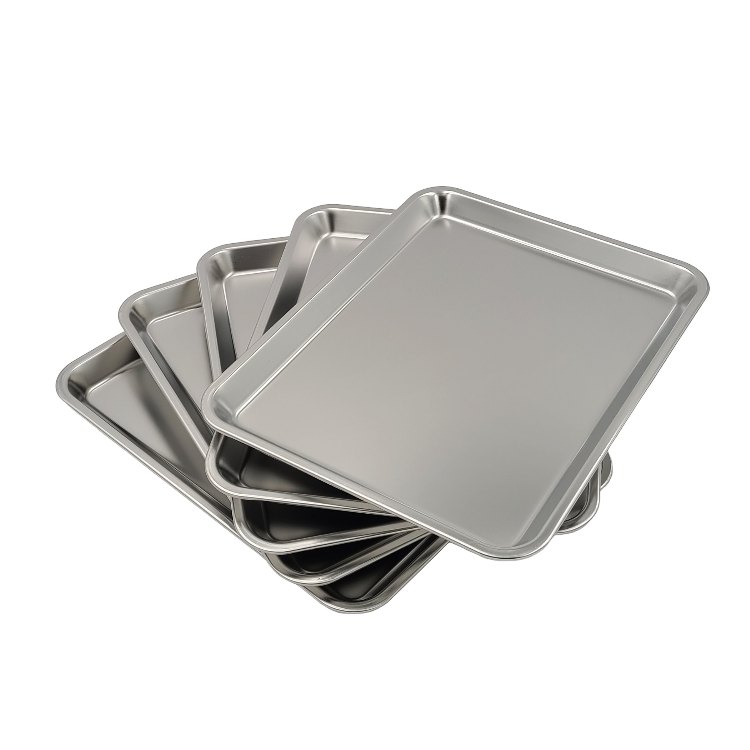
Blue Alpine Freeze Dryer Trays, Medium
Spare trays let you stage the next customer load while a batch runs — throughput is the whole business case. Use code TRULYPRESERVED at checkout for 10% off.
$66.71 from Blue Alpine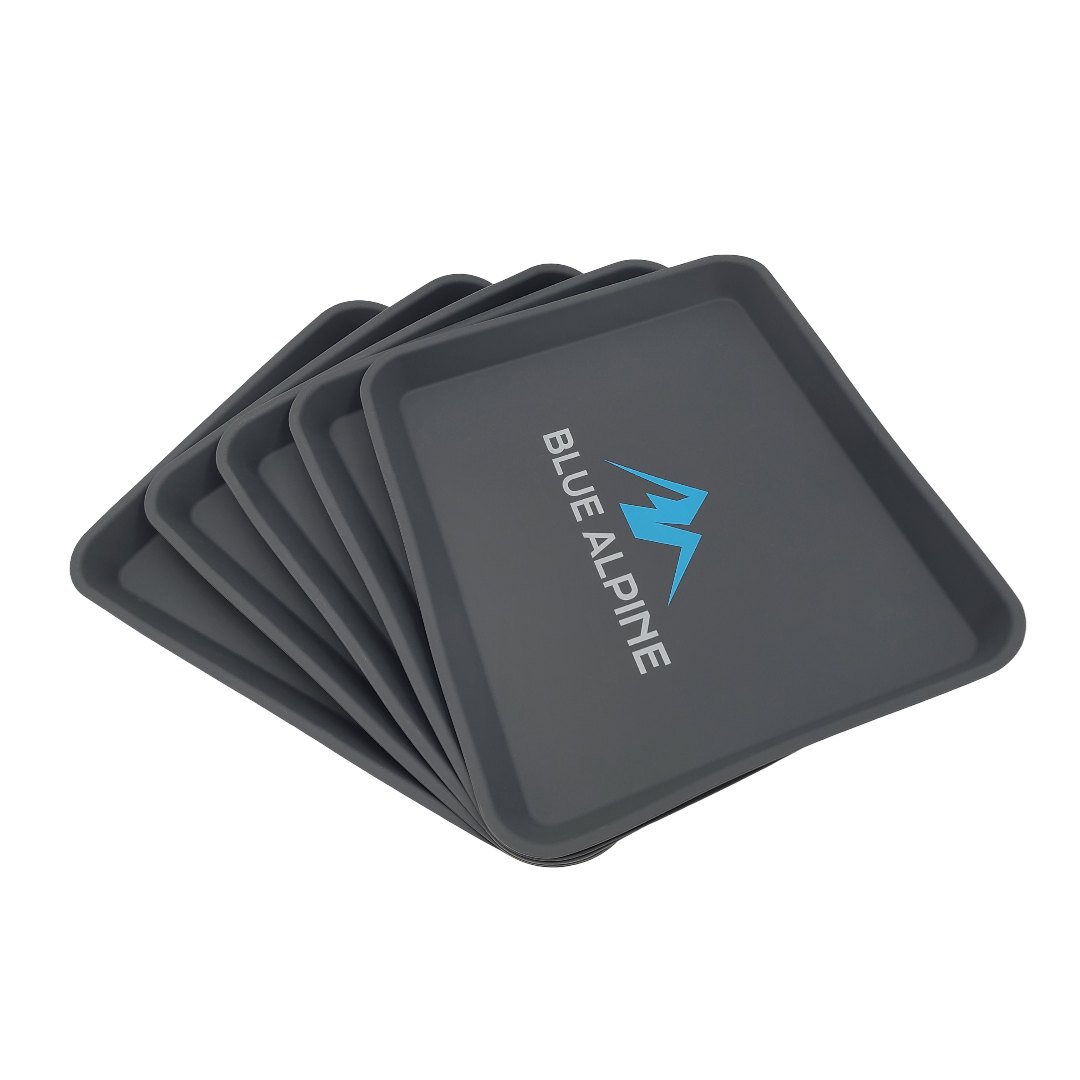
Blue Alpine Silicone Mats, Medium
Silicone liners keep candy and fruit from bonding to the tray, so a customer's batch comes off whole and cleanup stays fast. Use code TRULYPRESERVED at checkout for 10% off.
$29.08 from Blue Alpine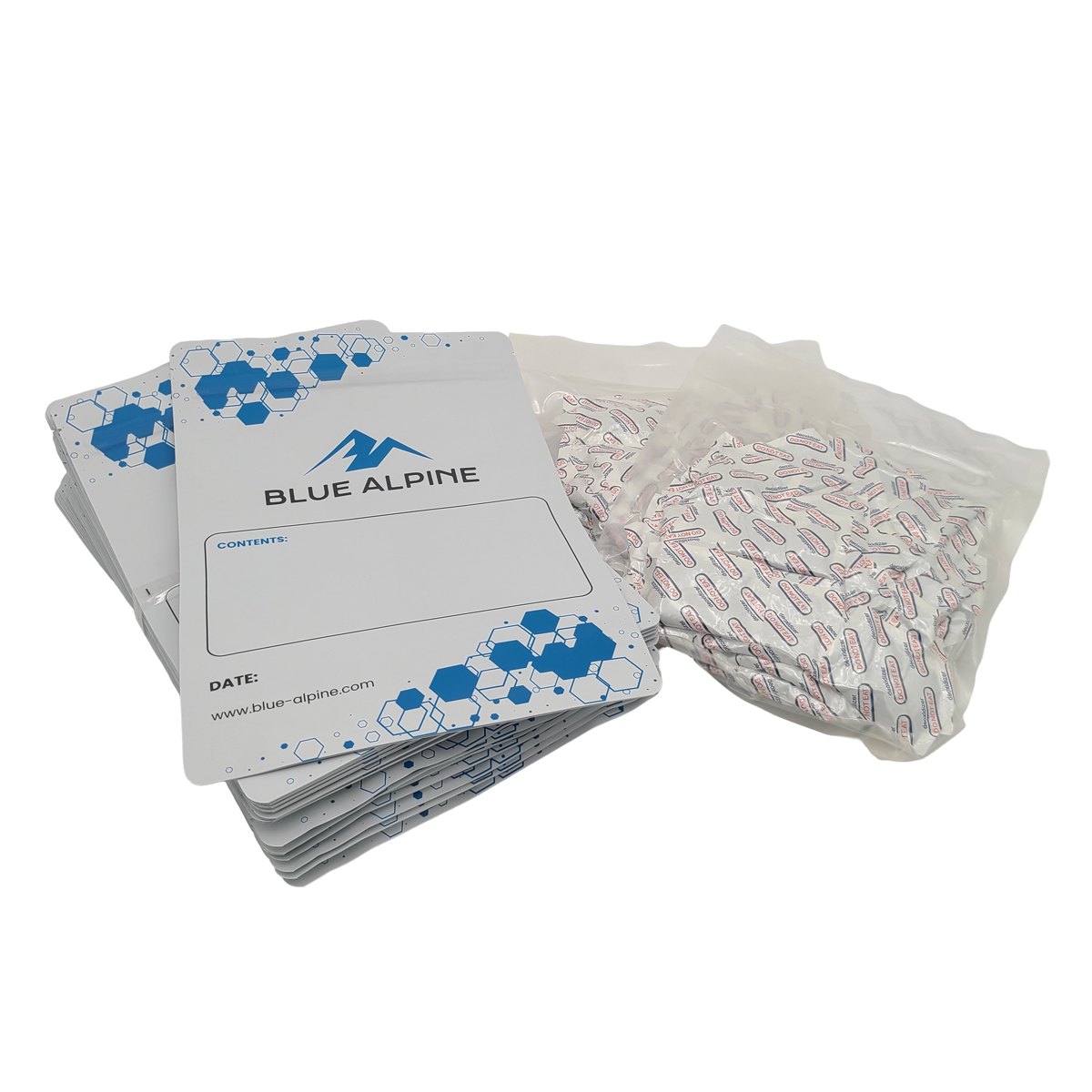
Blue Alpine Mylar Bags with Oxygen Absorbers
Finished work goes back to the customer sealed — mylar bags with absorbers are the hand-off packaging a service uses every run. Use code TRULYPRESERVED at checkout for 10% off.
$32.39 from Blue AlpineTalk it over with other readers. The Truly Preserved Community on Facebook is where readers compare notes on food storage, water, and backup power — and where your questions help decide what we research next. Join the group →
Viewers also searched for these items.

FoodSaver Elite Liquid Plus
It senses bags and moisture for you — at the highest price per inch of seal bar here.
$218.56 from Amazon
COOQUI 12-Inch Tortilla Warmer
An insulated fabric warmer sized for full-size flour tortillas. Thirty to forty-five seconds in the microwave and it holds the stack warm and soft for up to an hour at the table.
$19.99 from Amazon
Robinair 13203 Vacuum Pump Oil
The budget-friendly vacuum pump oil that does the same job for owners who change oil on a strict every-batch schedule and go through it faster.
$16.79 from AmazonPrices shown on this page were last checked November 26, 2026 — prices change; check before you buy.