
Truly Preserved is reader-supported. If you buy through a link on this page we may earn a commission at no extra cost to you. Nobody pays for placement or scores.
THE SHORT ANSWER
There is no single national license to sell freeze-dried candy, and in most states you do not need a commercial food license to start — you sell under your state’s cottage food law, which covers shelf-stable, low-moisture foods made in a home kitchen. What you need instead depends on the state: Texas requires no permit at all, only a food handler course (about $15) and a proper label, under a $150,000 annual sales cap. California puts freeze-dried candies on its approved cottage food list by name, but you register with your county — Class A for direct sales, Class B if you also sell through shops. A few states require a registration and a small fee before you sell anything. The license question is really three separate questions — food, business, and tax — and each one is answered by a different office.
Ask a room of freeze-dried candy sellers whether they needed a license and you will get three different answers, all of them honest. One seller in Texas got a food handler card in the morning and was legal by lunch. One in California registered with the county first. One in a third state registered with the state agriculture department and paid a fee that depends on how much she expects to sell. Nobody is confused — the rules genuinely are that different, because food made at home is regulated by states, not by Washington. This page lays out the layers in the order to check them, with the states we could verify from official sources worked as examples. It is research, not legal advice: your state’s page is the one that counts, and it takes ten minutes to read.
The food layer: cottage food law is the permit most sellers actually use
Cottage food law is the food layer for a home seller. Every state has some version of it: a law that lets you make a defined set of low-risk foods in a home kitchen and sell them directly to customers, without a commercial kitchen, a food establishment permit, or routine inspection. Freeze-dried candy fits the logic of those laws well — it is shelf-stable and very low in moisture, so it does not support the bacterial growth the laws are built around. California’s Department of Public Health makes the fit explicit: its Approved Cottage Foods list carries “freeze-dried candies” under Candy and Confections, and a whole separate category for dried, dehydrated, and freeze-dried foods.
Not every state names freeze drying, though, and that gap is where sellers get tripped up. Some states publish an approved-food list, and if freeze-dried candy is not on it, the honest answer is “not yet” — California’s health department reviews additions to its list four times a year, which tells you the list is a real gate, not a formality. Other states work the other way around: Texas, since Senate Bill 541 took effect on September 1, 2025, allows any food except a short prohibited list (meat and poultry, seafood, ice products, low-acid canned goods, CBD/THC products, and raw milk) — freeze-dried candy is nowhere on that list. Before your first batch for sale, find your state on its own health or agriculture department site and confirm which model it uses and whether your candy is covered. That one check is the whole food layer in most states.
Score out of 10
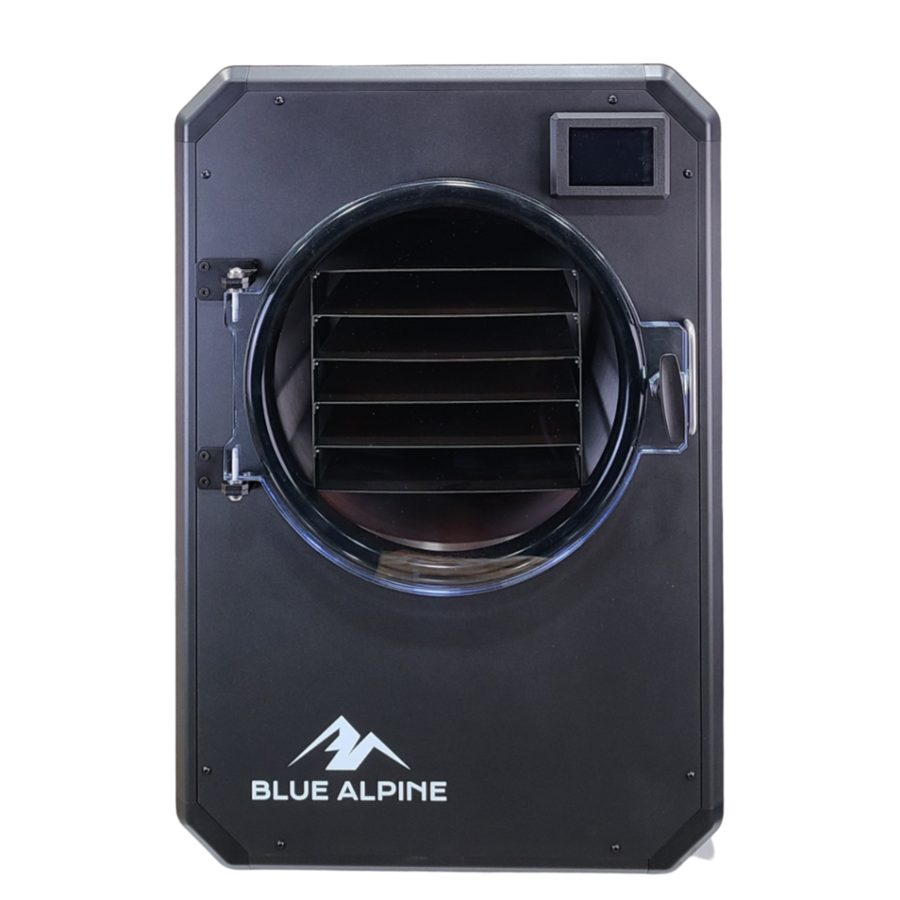
Blue Alpine Medium Select
The machine most freeze-dried candy sellers in our research run — the business this page’s license questions are about. Use code TRULYPRESERVED at checkout for 3% off.
Check the price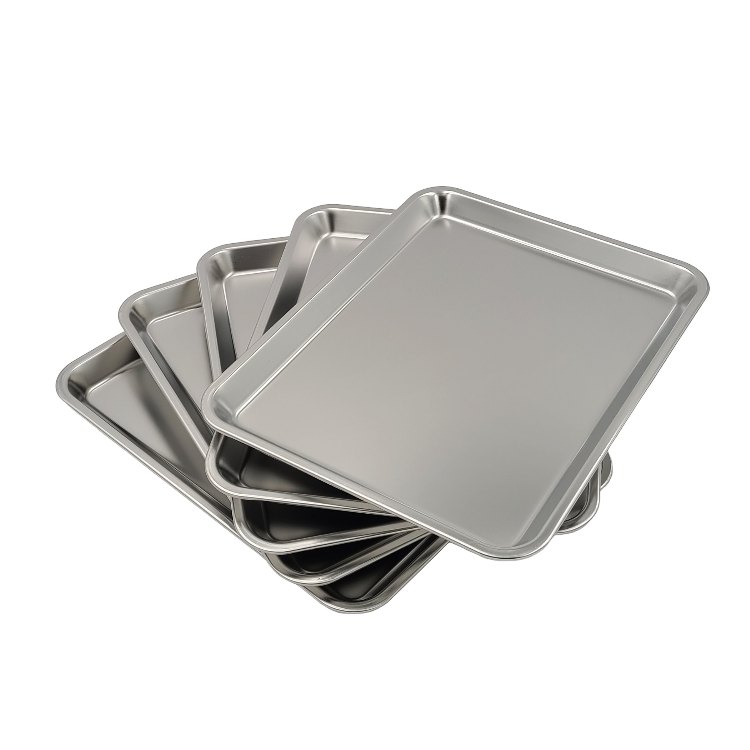
Blue Alpine Freeze Dryer Trays, Medium
A second tray set doubles candy throughput — the first upgrade sellers make. Use code TRULYPRESERVED at checkout for 10% off.
$66.71 from Blue AlpineThree states, three different answers
| State | Food permit or registration? | Sales cap | Training |
|---|---|---|---|
| Texas | None — no permit, fee, or inspection; cities and counties are barred from requiring one | $150,000 a year (SB 541, from Sept 1, 2025) | Accredited food handler course, about $15 |
| California | County registration (Class A, direct sales) or county permit (Class B, adds indirect sales) | Indexed cap, roughly $89,000 Class A / $178,000 Class B for 2026 | Food processor course within 3 months of registering |
| Minnesota | State registration with the Dept. of Agriculture before selling | $78,000 a year | State cottage food training and exam for your tier |
Read the Texas row carefully, because it is the one most often quoted wrong. “No permit” does not mean “no rules”: the food handler course is required, the label rules below are required, and candy is taxable in Texas, so a sales tax permit from the Comptroller — free — is part of starting. Minnesota shows the other common pattern: registration is free if you expect $7,665 or less in sales for the year, and a $50 fee applies in the tier above that, up to the $78,000 cap. The pattern to take from the table is not any one row — it is that the cap, the fee, and the office are all state choices, and crossing your cap is what pushes you out of cottage food and into a licensed commercial kitchen.
The business and tax layers sit underneath the food layer
A cottage food exemption is not a business license, and the two are easy to confuse because both get called “a license to sell.” Separately from the food rules, most sellers also deal with: a general business license or registration with their city or county, if that jurisdiction requires one for a home business; a DBA (“doing business as”) filing if the name on the bags is not your own legal name; a home-occupation or zoning check, because a food exemption does not override a lease or a homeowners’ rule that bans running a business from the house; and a state sales tax permit, because candy is taxable in many states even where plain baked goods are not. None of these come from the health department, none are waived by cottage food law, and the sales tax permit is the one first-time sellers most often miss — Texas’s own cottage food checklist flags it as a step, with the permit itself free.
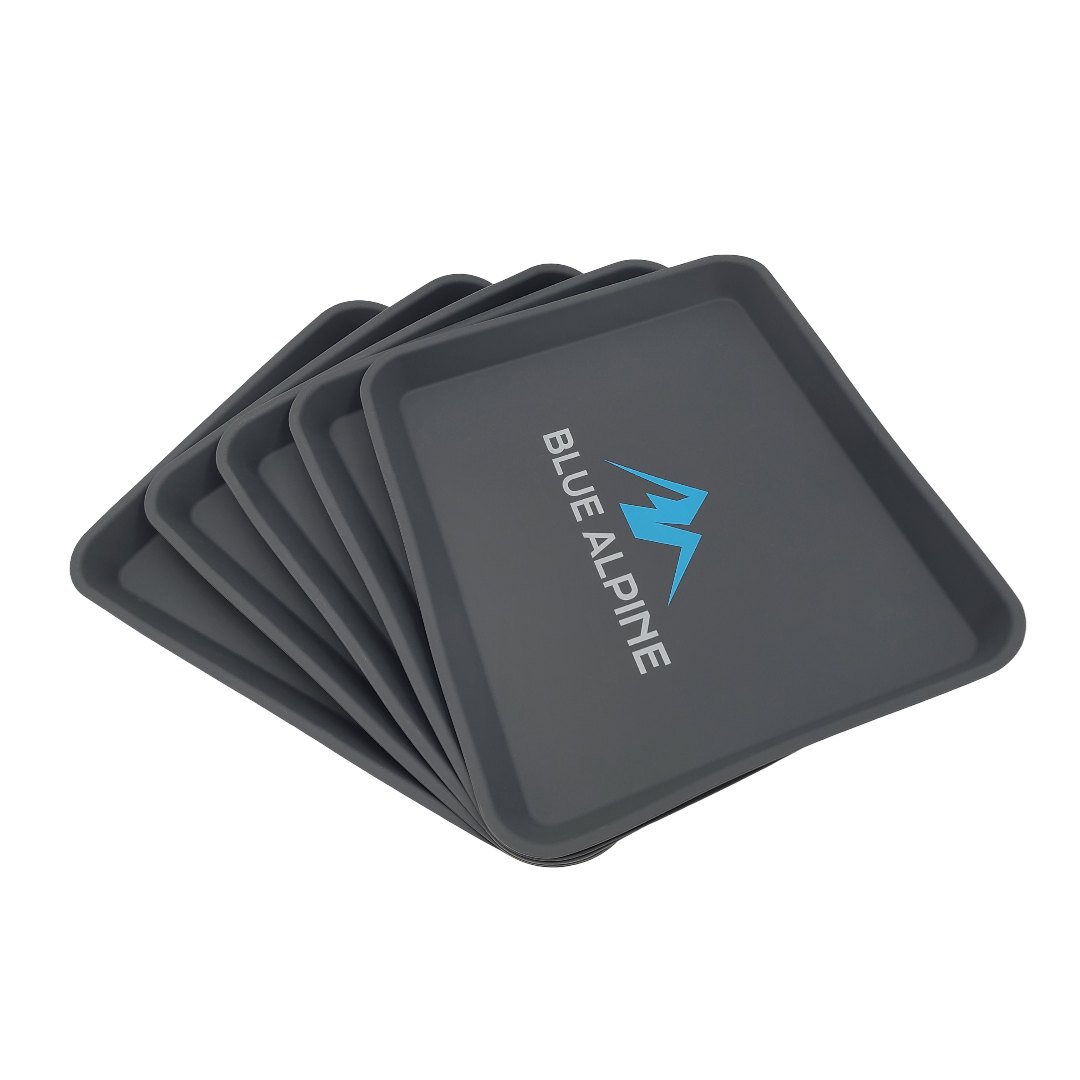
Blue Alpine Silicone Mats, Medium
Reusable silicone tray mats from Blue Alpine's own accessory line — sticky foods release cleanly and the trays wash up faster between batches. Use code TRULYPRESERVED at checkout for 10% off.
$29.08 from Blue Alpine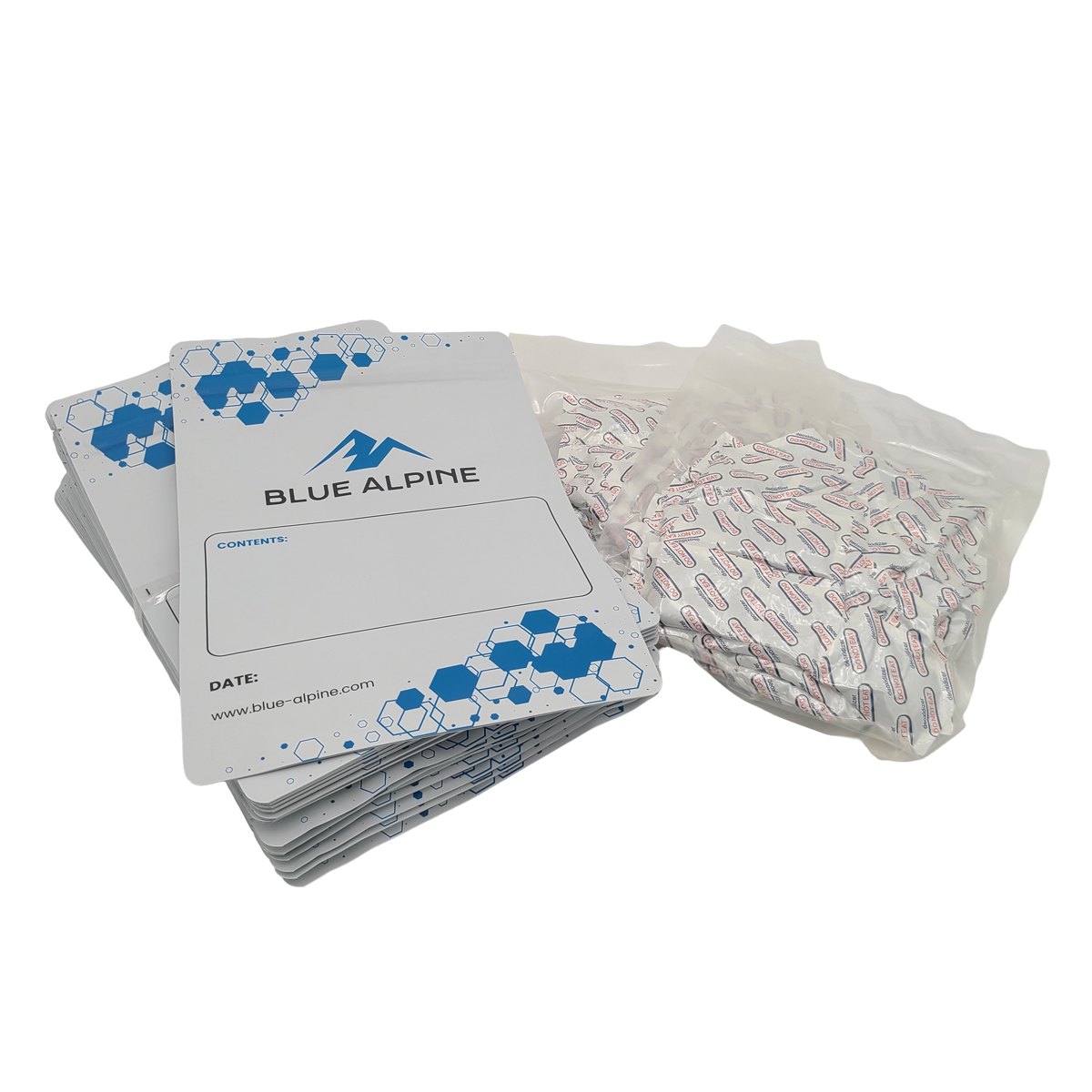
Blue Alpine Mylar Bags with Oxygen Absorbers
The starter kit's 50 bags go faster than any beginner expects. A standing spare pack of bags with absorbers is the difference between a finished batch and a tray of food waiting on a delivery. Use code TRULYPRESERVED at checkout for 10% off.
$32.39 from Blue Alpine
What has to be on the label
Labeling is the requirement with no state where it disappears. A cottage food label generally has to carry the product’s name, your business name and the address where the food was made (a few states now let you use a registration number instead of a home address), the ingredients in descending order by weight, the net weight, allergen information, and the disclosure sentence your state prescribes — wording along the lines of “This food is made in a home kitchen and is not inspected by the department of health.” Treat the label as part of the license question, because it is enforced like one: an unlabeled bag at a farmers market is the fastest way to meet your health department. Our mylar bags guide covers the bags and seals sellers pack in; the label that goes on them is your state’s template, copied exactly.
Where you can sell is part of the permission
Cottage food permission usually comes with a map attached. The standard cottage model is direct sale: farmers markets, fairs, roadside stands, pickup from your home, and in a growing number of states, online orders you deliver yourself inside the state. Two lines sellers cross without noticing: shipping. Mailing cottage food across a state line takes you out of your state’s exemption and into federal food rules, and many states ban shipping by a carrier like USPS or UPS even inside the state — Texas allows online sales with personal delivery, which is not the same thing as mailing a box. And wholesale. Selling through a shop is a second tier in many states — California’s Class B exists for exactly that, and Texas’s 2025 law allows wholesale only through a registered cottage food vendor. If your plan is Etsy with nationwide shipping from day one, cottage food law is probably not the framework that covers it, and that is worth knowing before the machine, not after.
Questions people also ask
Do I need a license if I only sell at farmers markets?
A farmers market does not remove the food layer — it is the venue cottage food laws were written for. You still need whatever your state requires (in Texas, the food handler course and labels; in California, the county registration), and the market itself may ask to see it, plus its own vendor paperwork and insurance. Selling in person changes where you may sell, not whether the rules apply.
Can I sell freeze-dried candy online and ship it?
Under cottage food law, generally not across state lines, and often not by mail at all. Most cottage frameworks cover direct, in-person sales and, in some states, in-state online orders with personal delivery. Interstate shipping is federal territory, and a cottage exemption does not travel with the box. Sellers who ship nationwide usually do it under a commercial food license, not a cottage one.
What happens when I pass my state’s sales cap?
Passing the cap ends the exemption, not the business. Above the cap — $150,000 in Texas, $78,000 in Minnesota, the indexed Class A/B figures in California — the same candy has to be made in a licensed commercial facility under the regular food rules. Plan for the step before you hit it: it means a kitchen, a food establishment permit, and inspections, which is a different cost structure from a home machine.
Does freeze-dried fruit or freeze-dried meals change the answer?
The framework is the same, but the food list matters more. California’s approved list covers dried and freeze-dried foods as a category, while a freeze-dried meal with meat runs into the meat exclusions several states carry — Texas prohibits meat and poultry outright under cottage food. Candy is the easy case precisely because it is sugar, low moisture, and on the lists. The further your product gets from candy, the more carefully the list needs reading.

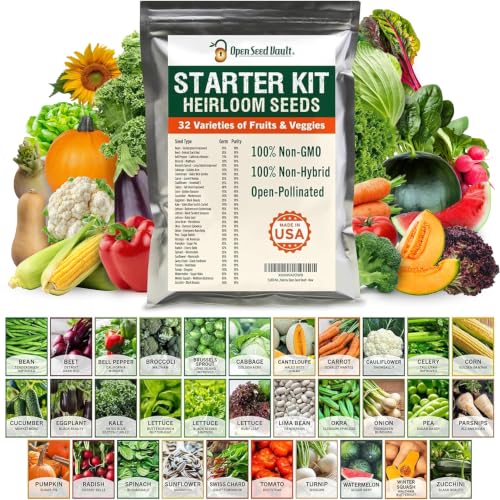
Vegetable & Fruit Seeds
4.6 stars across roughly 14,600 Amazon ratings — the deepest owner record here — but the calorie crops are thin: 15 to 25 seeds of beans, peas, and pumpkin.
$28.99 from Amazon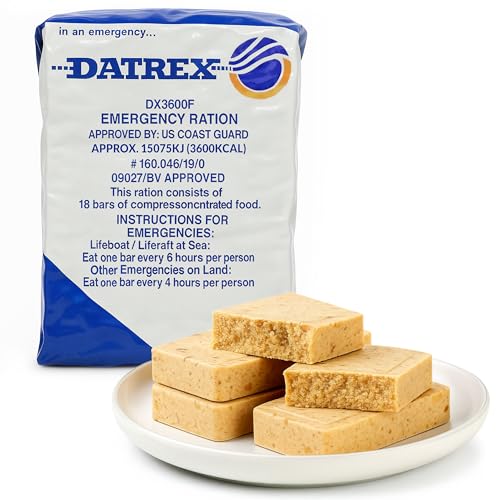
Datrex 3600
Eighteen individually wrapped 200-calorie bars and a six-ingredient label — the pack that stays fresh after you open it.
$24.99 from AmazonFAQ
Is there a federal license for selling freeze-dried candy from home?
No. There is no federal cottage food license and no FDA permit for a home seller making direct in-state sales under a state cottage law. Federal food rules enter when food crosses state lines or moves into wholesale channels — which is exactly why the shipping question above matters.
How much does the paperwork cost to start?
In the states we verified, the paperwork itself is minor next to the machine: about $15 for the Texas food handler course and a free sales tax permit, a county fee in California that varies by county, and $0–$50 for Minnesota registration depending on your expected sales tier. The real startup money is the dryer and packaging — we priced that side in what a freeze-dried candy business costs to start.
Do I need insurance to sell freeze-dried candy?
No state cottage law we checked makes insurance the license, but farmers markets and event organizers commonly require vendors to carry liability insurance as a condition of a booth. Treat it as a venue requirement to budget for, not a food permit — and a sensible one for anyone selling food to strangers.
Viewers also searched for these items.


COSORI Dehydrator
The foods that cannot freeze-dry — fatty meats, butter, avocado — are dehydrator work; this is the dehydrator our reviews put first.
$135.99 from Amazon
Thrive Life: Freeze-Dried Blueberries - Pantry Can Size
Freeze-dried food by the can, no machine: the same long-life ingredients the kits are built from, bought a can at a time.
$60.00 from AmazonRelated questions
- How much does a freeze-dried candy business cost to start?
- Freeze-Dried Candy Margin Calculator — run your own batch numbers
- Harvest Right freeze dryer sizes compared — which size to buy
- What freeze-dried treats can I make at home for family and gifts?
Sources: California Department of Public Health, Approved Cottage Foods list (freeze-dried candies listed under Candy and Confections; Dried, Dehydrated, and Freeze-Dried Foods category) and Cottage Food Operations pages; Texas Cottage Food Law / Texas Health & Safety Code ch. 437 as amended by SB 541 (effective September 1, 2025) and the DSHS cottage food pages — $150,000 cap, no local permit or fee, food handler requirement; Texas Comptroller sales tax guidance via the Texas cottage food checklist; Minnesota Department of Agriculture, Cottage Food Producer Registration — $78,000 cap, tier fees ($0 to $7,665; $50 above), training and exam. State rules change — verify yours on your state health or agriculture department site before selling.
This question is part of the candy-business cluster readers keep asking about — the legal side here, the money side in the startup-cost page and the margin calculator. See the full list: What People Are Asking About Freeze-Dried Food.
Talk it over with other readers. The Truly Preserved Community on Facebook is where readers compare notes on food storage, water, and backup power — and where your questions help decide what we research next. Join the group →
Prices shown on this page were last checked November 26, 2026 — prices change; check before you buy.