
Truly Preserved is reader-supported. If you buy through a link on this page we may earn a commission at no extra cost to you. Nobody pays for placement or scores.
THE SHORT ANSWER
A home freeze-dried candy business starts for roughly $2,000 to $2,300, and almost all of it is the machine. A Harvest Right Small is $1,795 and the Medium — the size most candy sellers end up on — is $1,995, both sale prices verified on Harvest Right’s own store on November 2, 2026 (regular prices $2,495 and $3,195 — the store is running a sitewide sale, so the machine line is cheaper today than it was in October). Everything else is small money by comparison: about $15 for the Texas food handler course (paperwork runs $0–$50 in the states we checked), a first stock of pouches, oxygen absorbers, and labels figured at $0.50 a finished bag, a sealer and a scale, and your first candy — the worked sample on our margin calculator starts from an $11 bulk bag per batch. Where sellers actually blow the budget is not startup; it is buying the wrong size first and buying it twice.
Every startup-cost thread for this business eventually turns into an argument about the machine, because the machine is the argument: it is 85 to 90 percent of the money. The rest of the list — paperwork, pouches, a sealer, a scale, the first bags of candy — adds up to less than the price difference between two machine sizes. So this page does the honest version of the math: the machine priced from the maker’s own store today, the small lines priced from our own published figures, and the lines that are allowances labeled as allowances, so you can see exactly which numbers are quotes and which are planning figures you should replace with your own.
The startup table, line by line
| Line | Lean start (Small) | Typical start (Medium) | What it is |
|---|---|---|---|
| Freeze dryer | $1,795 | $1,995 | Harvest Right Home Pro, black, sale price at the maker’s store |
| Paperwork | $15 | $15 | Food handler course (TX example) |
| Packaging starter stock | $100 | $100 | About 200 bags at $0.50 a bag, all-in |
| Sealer + scale | $75 | $75 | Planning allowance — impulse sealer, kitchen scale |
| First candy stock | $55 | $110 | Bulk bags at the $11-a-batch sample rate |
| Total | About $2,040 | About $2,295 | Before booth fees and insurance |
Two lines deserve their footnotes in the open. The packaging figure is not a product price: it is built from the $0.50 per finished bag — pouch, label, and seal — that our Freeze-Dried Candy Margin Calculator uses in its worked sample, multiplied by a 200-bag first stock. And the paperwork line is the Texas version of the story: a food handler course at about $15 and a free sales tax permit. In Minnesota the same line is $0 to $50 depending on your expected sales tier; in California it is a county fee that varies by county. Our license page works through which paperwork your state actually asks for — read it before you budget this line at zero.
Why the Medium is the typical start, in tray math
The $200 step from Small to Medium — at today’s sale prices — is the decision this whole page turns on, so here it is in the unit a candy seller actually earns in: tray area. From the maker’s published tray sizes, the Small gives you about 434 square inches of tray, the Medium about 688 — 59 percent more candy per batch for 11 percent more money while the sale runs. Priced per square inch at the sale prices, that is $4.14 for the Small against $2.90 for the Medium, the same tray-area math that made the Medium our best-overall pick in the Harvest Right sizes comparison. Candy mode runs are short — about two hours a batch for the puffed candies, against a day or more for a tray of meals — so a candy seller’s ceiling is batches per day, and tray area is what each of those batches pays. The Large, at $2,995 and about 1,107 square inches ($2.71 per square inch), is the better machine per inch again — but it is $1,000 over the Medium for capacity you only earn back if you already have the sales to fill it, which a first-month seller does not.

Robinair 13203 Vacuum Pump Oil
A pump that runs quiet and pulls nothing is very often an oil problem — this is the replacement our maintenance guide names.
$16.79 from Amazon
JB Black Gold Pump Oil
The second oil owners keep for the same change — either beats the waterlogged oil already in the pump.
$54.50 from Amazon
What the table leaves out on purpose
Three real costs are not in the totals, because they are choices, not startup lines. A market booth — farmers market fees run by the market, not by us, and range from a free church-lot table to a serious weekly rent in a city market; ask yours before you count on the channel. Liability insurance — not a permit anywhere we checked, but many markets require it for a food booth, so it belongs in the first-season budget even though it is not in the first-day one. And the electrical question: the Medium runs on a standard household circuit, while the X-Large needs a dedicated 20-amp NEMA 5-20 circuit — one more reason the XL is a second machine, not a starter. What is also not in the table, because it is not a startup cost at all, is running the machine: our freeze-drying cost-per-pound study puts a Medium batch at $7.56 all-in for food — electricity, pump oil, and packaging — and candy batches, at two hours in candy mode, cost a fraction of that in power. The margin calculator carries a $4-a-batch running figure if you want to be conservative.
When the machine pays for itself, on the sample batch
Run the payback on the batch every seller quotes, with every cost counted the way our margin calculator counts it. An $11 bulk bag of candy fills 49 small bags sold at $5 each: $245 in sales. Counting packaging at $0.50 a bag, a $4 running cost, and a 10 percent selling fee, the batch clears $181 before your time. At that rate the Typical start — $2,295 — is covered by about 13 batches; the Lean start by about 11. Treat those as best-case arithmetic, not a promise: the sample assumes every bag sells at $5, your candies may fill fewer bags, and your time weighing, sealing, and labeling 49 bags a batch is the cost nobody’s spreadsheet includes. The honest use of the number is narrower — it tells you the machine is not the risk in this business. Selling the bags is.
Score out of 10
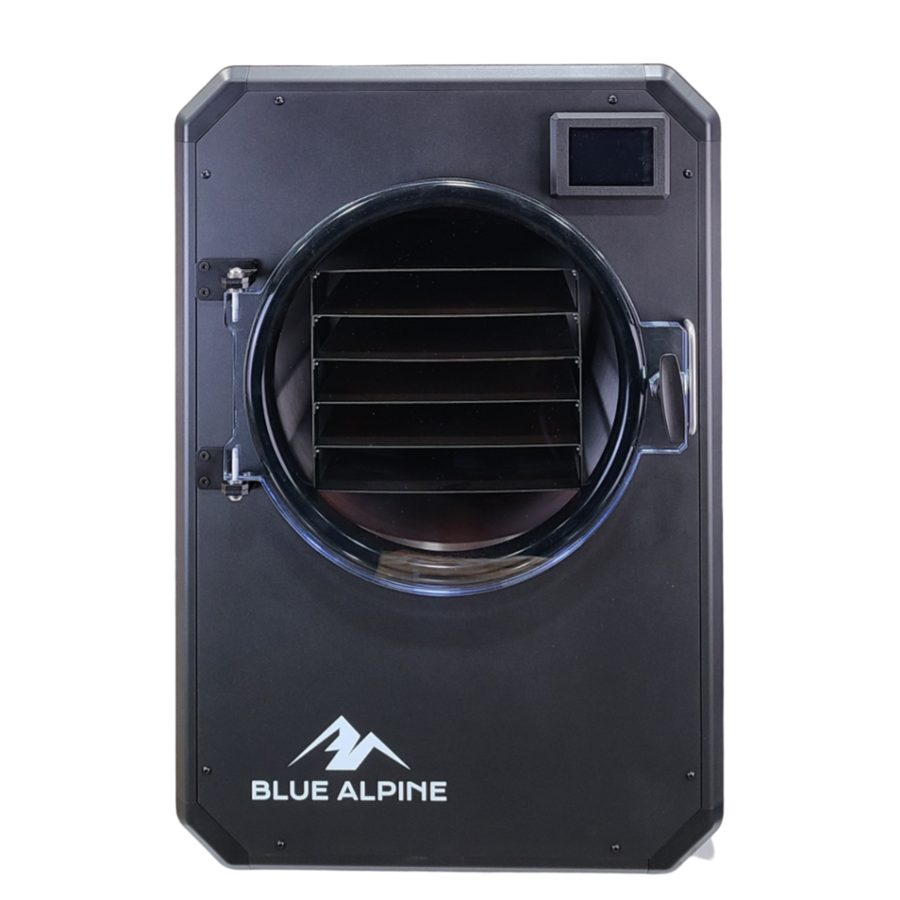
Blue Alpine Medium Select
The biggest single line in the startup budget this page builds — the machine our comparison scores highest for sellers. Use code TRULYPRESERVED at checkout for 3% off.
Check the price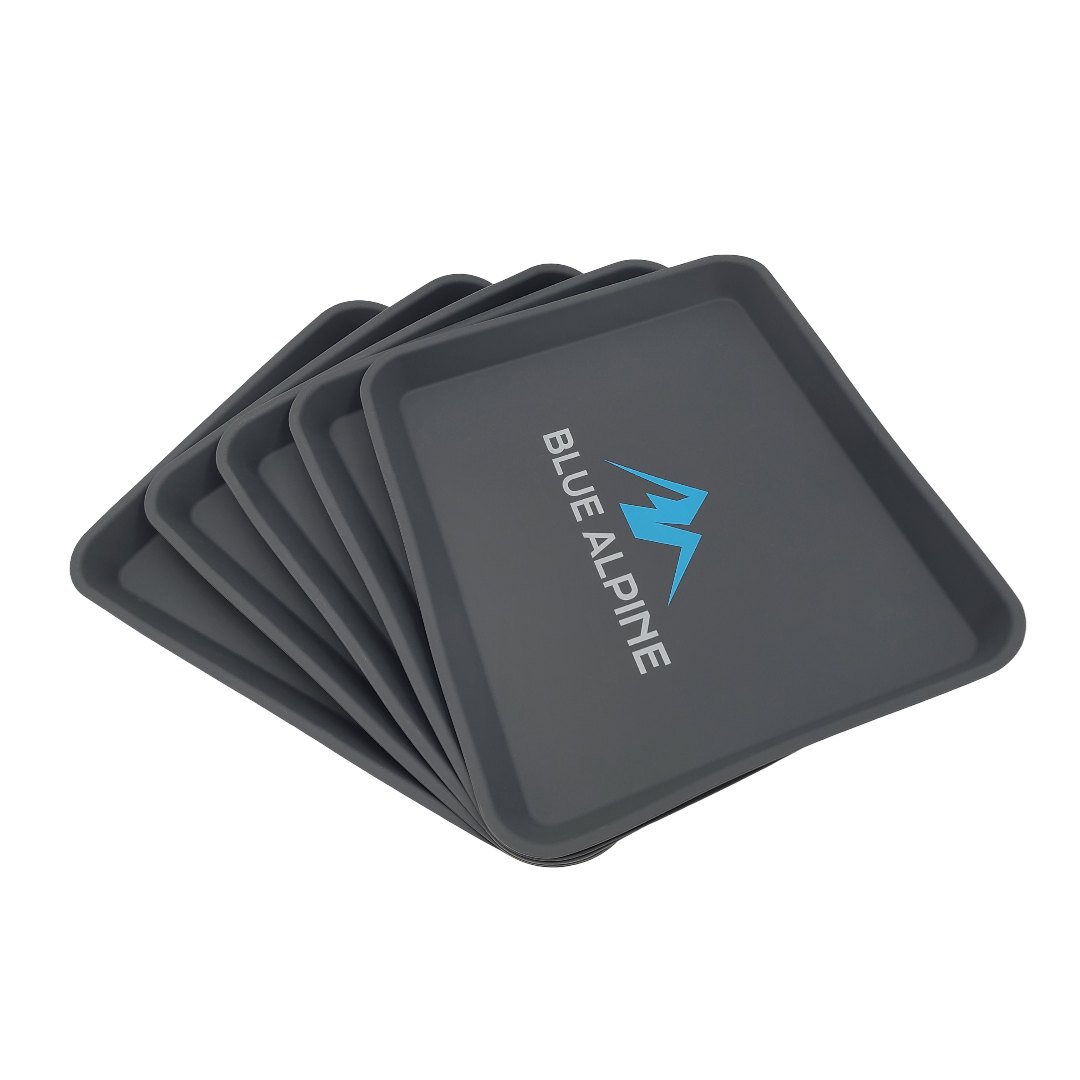
Blue Alpine Silicone Mats, Medium
Candy releases from silicone instead of the tray — a small line item in every real startup budget. Use code TRULYPRESERVED at checkout for 10% off.
$29.08 from Blue AlpineQuestions people also ask
Can I start with a used freeze dryer to save money?
You can, and the used market is real — but price the risk honestly. A freeze dryer’s expensive failures are vacuum and refrigeration failures, and a used machine sold as-is carries no warranty against either. If you buy used, run a full batch before money changes hands if the seller allows it, and hold part of the savings back as a repair reserve. A new Small at $1,795 with a warranty beats a used Medium at the same money with none, for a first business machine.
Do I need a second machine to make real money?
Not at the start. Candy mode’s short runs mean one Medium can turn out several batches a day; the sellers who add a second machine do it when they are turning away market days, not before. The startup table above is deliberately a one-machine budget — a second dryer is a growth purchase paid out of sales, at $1,995 on today’s sale the same as the first.
What does it cost per batch once I am running?
For candy, the counted lines are the candy itself, $0.50 a bag in packaging, and the run. Our margin calculator’s worked batch totals $64 of cost against $245 of sales — $11 candy, $24.50 packaging, $4 running, $24.50 in selling fees. Your fee line will differ by channel: a card reader at a market takes a different cut from an online marketplace, and it is the line sellers most often forget.
Is the oil-free pump upgrade worth it for a candy business?
It removes the oil-change chore — every 20 to 30 batches on the standard pump — and it is a four-figure upgrade against a chore that takes minutes and a few dollars of oil. For a home candy seller running short batches, our sizes comparison’s verdict stands: skip it at startup, and let heavy commercial use, if it ever comes, make that case later.
FAQ
What is the cheapest honest way to start selling freeze-dried candy?
A new Small at $1,795, the paperwork your state requires, a 200-bag packaging stock, and five bulk bags of candy — about $2,040 on the table above. Cheaper starts exist on paper, and they mostly do it by skipping the warranty on a used machine or the label and paperwork lines, which are the two places a new seller can least afford a surprise.
How much of the startup cost is the freeze dryer?
About 88 percent on both builds in our table — $1,795 of $2,040 on the Lean start, $1,995 of $2,295 on the Typical. That is why the size decision matters more than every other line combined, and why we spend a full section on the step between sizes.
The business shelf continues: which candies freeze-dry best for a business, the secondhand market in buying or selling a used freeze dryer, and the service model — freeze-drying for other people.
Viewers also searched for these items.


Thrive Life: Freeze-Dried Blueberries - Pantry Can Size
Freeze-dried food by the can, no machine: the same long-life ingredients the kits are built from, bought a can at a time.
$60.00 from Amazon
Centrum Adult Multivitamin
The boring, complete answer to the BYU numbers: one bottle covers a person for months, stores beside the food, and costs less than a single freeze-dried entree.
$12.00 from AmazonRelated questions
- Do I need a license to sell freeze-dried candy from home?
- Freeze-Dried Candy Margin Calculator — run your own batch numbers
- Harvest Right freeze dryer sizes compared — which size to buy
- What freeze-drying actually costs per pound
Sources: machine prices verified November 2, 2026, on Harvest Right’s own store (Home Pro bundle page, black, sitewide sale: Small $1,795, regular $2,495; Medium $1,995, regular $3,195; Large $2,995; X-Large $4,495, stainless only); tray areas computed from the maker’s published tray sizes, as in our sizes comparison (434 / 688 / 1,107 sq in; $4.14 / $2.90 / $2.71 per sq in at the sale prices). Packaging and batch figures from our Freeze-Dried Candy Margin Calculator’s worked sample ($11 bulk bag, 49 bags at $5, $0.50 packaging per bag, $4 running, 10% selling fee, $181 cleared per batch) and our freeze-drying cost-per-pound study ($7.56 all-in per Medium food batch). Paperwork figures from our license page’s verified state examples (Texas, Minnesota, California). Prices last checked: November 2, 2026.
This question is part of the candy-business cluster readers keep asking about — the legal side in the license page, the per-batch money in the margin calculator. See the full list: What People Are Asking About Freeze-Dried Food.
Talk it over with other readers. The Truly Preserved Community on Facebook is where readers compare notes on food storage, water, and backup power — and where your questions help decide what we research next. Join the group →
Prices shown on this page were last checked November 26, 2026 — prices change; check before you buy.