
Truly Preserved is reader-supported. If you buy through a link on this page we may earn a commission at no extra cost to you. Nobody pays for placement or scores.
THE SHORT ANSWER
The candies that freeze dry best for a business are the chewy, fruity, low-fat ones: original Skittles, most gummy bears and gummy worms, salt water taffy, and chewy candies like Starburst-style taffy chews — they puff up, turn crunchy, and bag well. Jolly Ranchers and Nerd Clusters also work and give a hard-candy line. Pure chocolate is the failure to plan around: the fat in chocolate does not dry, so a chocolate bar stays greasy and soft instead of turning crisp. Stock the puffers first; they are also the fastest batches in the machine — a few hours in candy mode against 13 to 35 hours for most foods.
Every candy seller learns the same lesson in the first week, usually from one wasted tray. The tray of Skittles comes out as crunchy little puffs a customer can hear across a market stall. The tray of chocolate comes out looking much like it went in, only sadder — soft, greasy, and unsellable. The difference is not luck and it is not the machine. It is what the candy is made of. Freeze drying removes water. A candy that is mostly sugar and water gives the machine something to work with; a candy that is mostly fat gives it nothing, because fat does not leave. This page sorts the common candies by that one rule, then by the business side: how fast a batch runs, how the finished candy holds up in a bag, and which failures to expect before you price a menu.
Why do some candies puff and others just sit there?
Skittles puff because of what is trapped inside them. Harvest Right, the maker most home sellers run, explains it plainly: during freeze drying the moisture inside the candy is removed through sublimation, and as that happens the gases trapped inside expand, so the piece grows, turns light and airy, and finishes with a hard crunch — and the flavor reads stronger, because the water that diluted it is gone. That is why a single layer on the tray matters. Crowded pieces expand into each other and weld together; spaced pieces expand into puffs you can bag one by one.
Chocolate fails for the opposite reason. A chocolate bar is cocoa butter and milk fat with sugar in it. There is very little water to remove, and the fat melts under the warm shelf instead of drying — the same fat rule that puts butter and peanut butter on the cannot-freeze-dry list in what foods can’t you freeze dry. Chocolate-covered candies are the in-between case sellers argue about: a Milk Dud’s caramel center can puff while its thin chocolate coating mostly stays as it was, so the piece changes without becoming a chocolate product. Sell that as a caramel candy if you sell it at all, and do not build a menu line on chocolate bars.
The candy-by-candy table
| Candy | What happens in the dryer | Business read |
|---|---|---|
| Original Skittles | Shell cracks, inside puffs into a crunchy sphere | The starter candy — reliable, loud, easy to bag |
| Gummy bears / worms | Puff up large, turn light and crisp | Strong seller; give pieces room to expand |
| Salt water taffy | Expands into an airy piece that melts on the tongue | Big visual change from a cheap starting candy |
| Taffy chews (Starburst-style) | Puff into light, crunchy pillows | Works; cut large pieces so they dry evenly |
| Jolly Ranchers | Transform in texture and flavor; airy, intense pieces | Your hard-candy line; results vary by flavor |
| Nerd Clusters | Gain an intense crunch, texture shifts | Named by Harvest Right as a popular freeze-dried candy |
| Marshmallows | Puff hugely, finish as a light crisp shell | Fast and cheap; a filler line, not a headline |
| Pure chocolate / chocolate bars | Fat does not dry; stays soft and greasy | Skip it — the known failure |
Two cautions belong under that table, because the table makes the gummy row look simpler than it is. First, not every gummy behaves: Stay Fresh’s candy guide notes that some branded gummies — it names Skittles Gummies and Jolly Rancher Gummies — do not expand or transform the way ordinary gummy bears do, because their mix carries less moisture to begin with. Test any new gummy in a small tray before you buy a case of it. Second, brand recipes change without an announcement. The Skittles that puffed in October are a formula a maker can adjust by spring, so a seller’s first tray of a new lot is a test tray, not a production run.

Robinair 13203 Vacuum Pump Oil
A pump that runs quiet and pulls nothing is very often an oil problem — this is the replacement our maintenance guide names.
$16.79 from Amazon
Nesco VS-12
A full-featured countertop sealer for bagging batches before they go into storage.
$108.18 from Amazon
COSORI Dehydrator
The foods that cannot freeze-dry — fatty meats, butter, avocado — are dehydrator work; this is the dehydrator our reviews put first.
$135.99 from AmazonWhat makes a candy good for a business, not just good in the machine?
A candy can dry beautifully and still be a poor business candy. The ones that earn their tray space share three things. They change visibly — a customer who cannot tell the freeze-dried version from the gas-station version has no reason to pay your price, and the puffers change the most. They run fast: Harvest Right puts candy batches at a few hours, against 13 to 35 hours for most foods, and dealer guides for candy mode put a typical candy run at about 2 to 4 hours — so one machine can turn several candy batches in a day a fruit batch would still be sitting in. And they keep: a fully dried, low-fat puff sealed in mylar with an oxygen absorber stays crunchy, while anything with fat in it shortens the honest shelf life of the bag. Our Freeze-Dried Candy Margin Calculator works the per-bag math on a bulk-candy batch — run your own candy price through it before you set a menu price, because the candy that puffs best is not always the candy that margins best.
Start narrow. Two or three proven puffers — Skittles, a gummy that tested well in your machine, and taffy — cover what most buyers want, keep your test-tray costs down, and leave the experiments (hard candies, clusters, the chocolate-covered edge cases) for after the line is selling. The legal side comes before any of it: whether you need a license to sell freeze-dried candy from home depends on your state’s cottage food law, and what the business costs to start is mostly the machine.
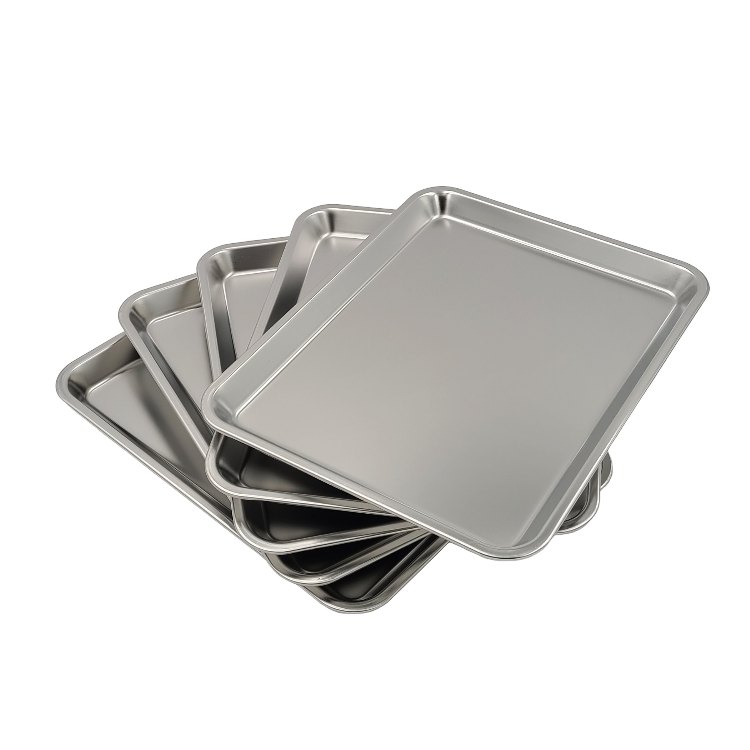
Blue Alpine Freeze Dryer Trays, Medium
A second set keeps the machine earning while one batch finishes — throughput is the whole candy game. Use code TRULYPRESERVED at checkout for 10% off.
$66.71 from Blue Alpine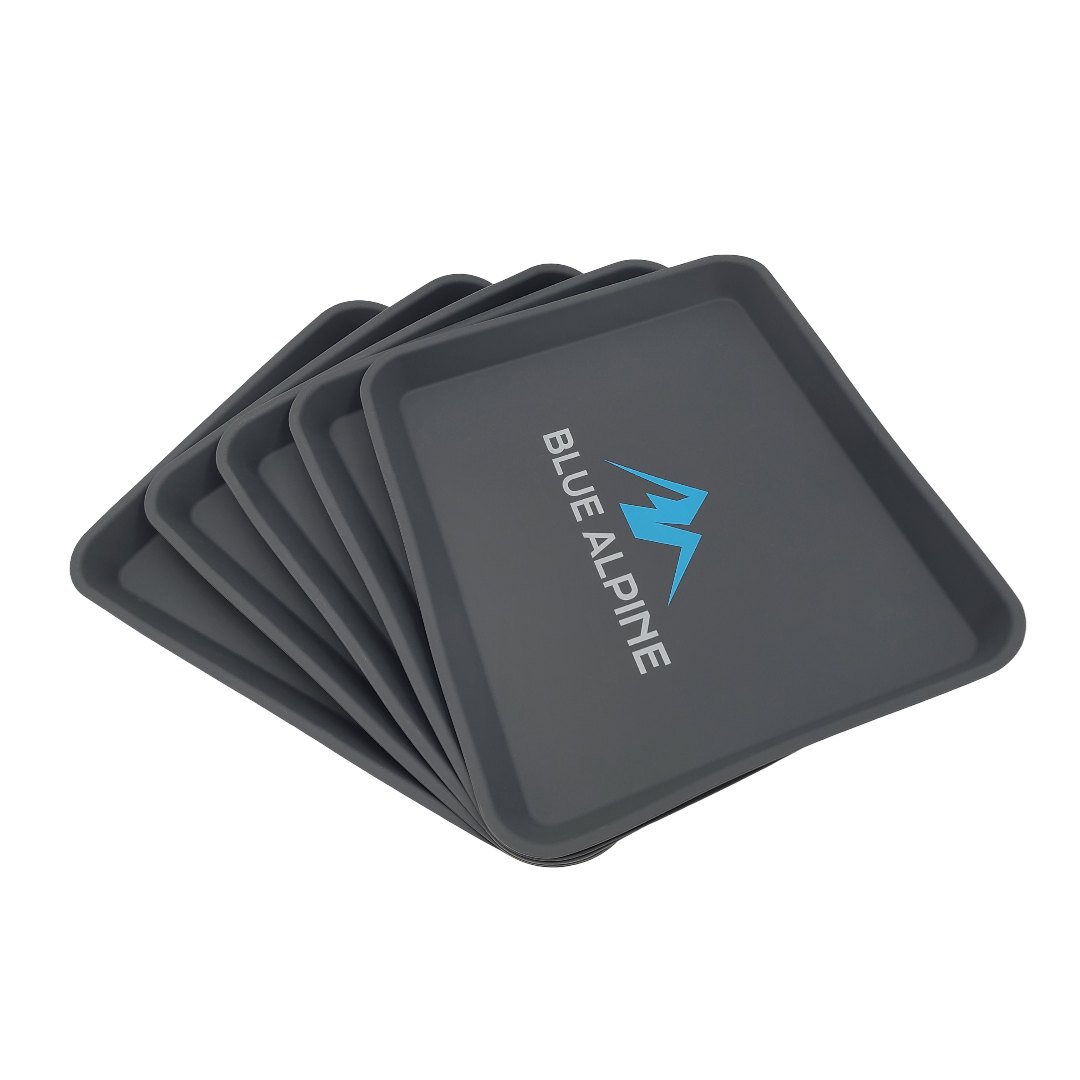
Blue Alpine Silicone Mats, Medium
Taffy and gummies let go of silicone — on bare trays they set like glue. Use code TRULYPRESERVED at checkout for 10% off.
$29.08 from Blue AlpineQuestions people also ask
Can you freeze dry chocolate-covered candy?
Chocolate-covered candy is a partial success at best. The center decides the result: a caramel center like a Milk Dud’s can puff and turn light while the chocolate coating itself does not dry or crisp, because the coating is fat. Pieces come out changed, not transformed, and the fat in the coating shortens how long the bag stays good. It is a novelty tray, not a foundation line.
How long does a batch of candy take to freeze dry?
A batch of candy takes a few hours — far less than food. Harvest Right says candy batches are among the fastest cycles in the machine, often finishing in a few hours compared with 13 to 35 hours for most foods, and candy-mode guides put a typical run at about 2 to 4 hours. That speed is the business case for candy: the same machine that ties up a day on sliced fruit can run batch after batch of Skittles.
Why did my gummies not puff up?
Your gummies most likely started with too little moisture to expand. Puffing needs water and trapped gas inside the piece; some branded gummies are formulated drier than ordinary gummy bears and come out much as they went in. Stay Fresh’s guide flags exactly that failure for certain name-brand gummies. Switch to a standard gummy bear or worm, run a small test tray of any new brand first, and space the pieces — crowding is the other common reason a tray underwhelms.
Do freeze-dried candies need to be sold quickly?
Freeze-dried candies keep well if they were fully dry when they were bagged. A low-fat puff has almost no water left, so sealed in mylar with an oxygen absorber it holds its crunch for months — the crunch going soft is the tell that a bag took on moisture or the batch left the machine early. Fat is again the exception: anything chocolate-coated has a shorter honest life, which is one more reason the core line is the low-fat puffers.
FAQ
What is the single best candy to start a freeze-dried candy business with?
Original Skittles. They are the candy Harvest Right itself leads with, they puff reliably into crunchy spheres with stronger flavor, the starting bag is cheap and everywhere, and a failed tray costs you a few dollars while you learn the machine. Add a tested gummy and salt water taffy once the Skittles line is selling.
Can I freeze dry candy in a regular food cycle instead of candy mode?
You can, and home machines did it that way before candy presets existed — Harvest Right describes the home process as a single layer on the trays and a standard cycle. Candy mode exists because candy needs warmth to expand rather than a long cold dry, and it finishes in hours. Either way, the candy rules do not change: low fat puffs, high fat does not.
Viewers also searched for these items.


JB Black Gold Pump Oil
The second oil owners keep for the same change — either beats the waterlogged oil already in the pump.
$54.50 from AmazonRelated questions
- Do I need a license to sell freeze-dried candy from home?
- How much does a freeze-dried candy business cost to start?
- Freeze-Dried Candy Margin Calculator — run your own batch numbers
- What foods can’t you freeze dry?
Sources: Harvest Right, “Freeze Dried Candy — Why It Puffs Up and How to Make It at Home” (maker’s candy page: Skittles, taffy, Nerd Clusters and Jolly Ranchers named; puffing explained as sublimation plus trapped-gas expansion; candy cycles of a few hours vs 13–35 hours for most foods); Stay Fresh Freeze Dry, “Best Candy to Freeze Dry” (gummies, Skittles and taffy as the reliable driers; Milk Duds’ caramel puffing under an unchanged chocolate shell; certain branded gummies not transforming); Trimleaf candy-mode guide (candy mode runs of about 2–4 hours); our own what-foods-can’t-you-freeze-dry page for the fat rule on chocolate, butter and peanut butter. No candy prices are printed on this page — bulk candy prices move by store and season, so run current prices through the margin calculator instead.
This question is part of the candy-business cluster readers keep asking about — the license side, the startup cost, and the per-bag margin are the other three corners. See the full list: What People Are Asking About Freeze-Dried Food.
Talk it over with other readers. The Truly Preserved Community on Facebook is where readers compare notes on food storage, water, and backup power — and where your questions help decide what we research next. Join the group →
Prices shown on this page were last checked November 26, 2026 — prices change; check before you buy.