
Truly Preserved is reader-supported. If you buy through a link on this page we may earn a commission at no extra cost to you. Nobody pays for placement or scores.
THE SHORT ANSWER
On the counter, in a paper bag or a bread box, homemade bread keeps well for 2 to 3 days. Past that, the freezer is the answer — slice the loaf first, wrap it well, and it keeps its quality for up to about 3 months. The one place bread should never be stored is the refrigerator: fridge temperatures are exactly where bread starch firms up fastest, so refrigerated bread goes stale quicker than bread left on the counter.
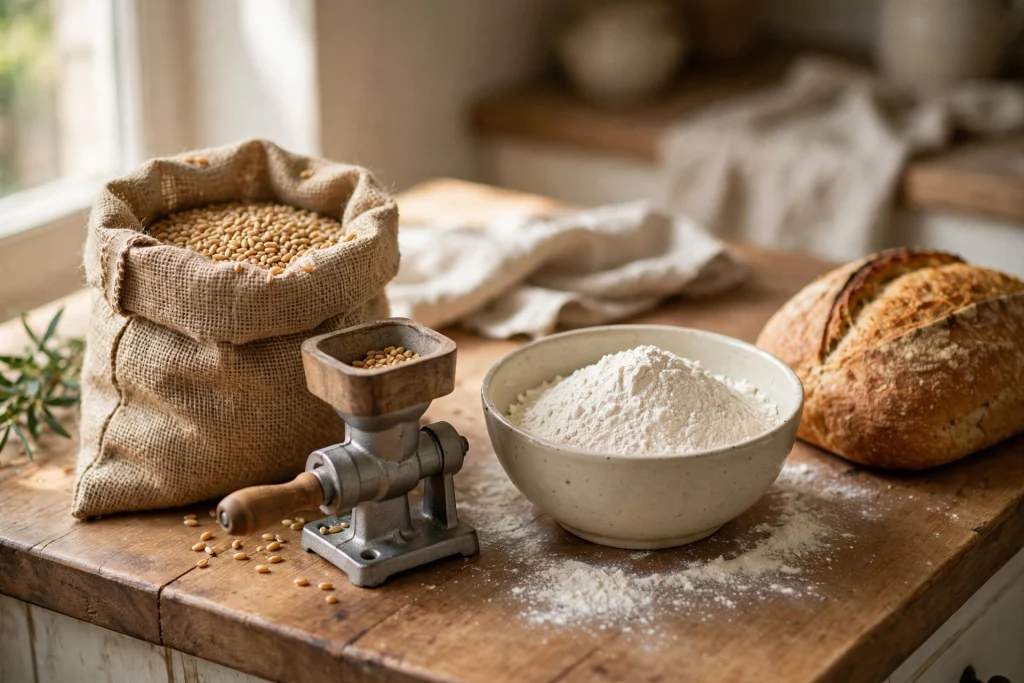
Homemade bread has no preservatives, which is the point of baking it — and also why it plays by different rules than a store loaf. A store loaf is engineered to sit soft for two weeks. Your loaf starts losing ground the day it is baked, and the storage question is really two questions: how do I keep the crust and crumb right for the next few days, and how do I bank the rest of the loaf before it turns?
The science underneath is friendly once you know it. Bread stales because its starches recrystallize as they cool and age — a process called retrogradation — and it runs fastest at refrigerator temperatures, around 40°F. That single fact explains most of the advice below. Flour is the other half of a baking household’s storage, and how much flour per person per year covers keeping the supply side straight.
A bread box for the counter, sealers for the freezer
Rule One: Let It Cool Completely
More loaves are ruined by impatience than by any storage container. A loaf sealed into a bag or box while it is still warm steams itself: the escaping moisture condenses on the crust, the crust goes soggy, and the damp surface is an invitation to mold. Let the loaf cool on a rack until it is room temperature all the way through — at least an hour, two for a big loaf. Then store it. If you have already cut into it, store it cut-side down on the board or in the bag; the exposed crumb dries out fastest, and facing it down protects it.

BAMBANG Bamboo Bread Box for Kitchen Countertop
A large farmhouse-style box with clear panels so you can see what is inside, sized for full homemade loaves. Bamboo, countertop footprint, room for more than one loaf.
$29.99 from Amazon
FoodSaver Elite All-in-One Liquid Vacuum Sealer
Air is what freezer-burns sliced bread. A vacuum seal on the slice bag keeps frozen bread tasting fresh at the far end of its 3 months instead of the near end.
$218.56 from Amazon
Nesco VS-12 Vacuum Sealer
The budget-friendly sealer with a gentle mode that will not crush soft loaves — the setting that matters when what you are sealing is bread, not jerky.
$108.18 from AmazonThe Counter: Two to Three Good Days
For a crusty loaf — sourdough, a rustic boule — a paper bag is the right home. Paper lets the crust breathe and stay crisp while slowing moisture loss from the crumb. Plastic does the opposite trade: it holds moisture in, which keeps a soft sandwich loaf soft but turns a crust leathery within a day. A bread box is the middle path and the reason it has existed for a century: it holds a pocket of air humid enough to slow staling but vented enough to discourage mold, and it keeps 2 to 3 days of bread in good shape.
Keep the box or bag away from the top of the fridge and the sunny side of the counter — warmth speeds both staling and mold. And keep bread away from strong-smelling foods; a loaf picks up onion and garlic odors through a bag without any trouble.
The Freezer: Slice First, Then Wrap
Any bread you will not finish in three days should be frozen, and frozen in the form you will eat it: slices. Slice the whole loaf once it is fully cool, slip parchment or wax paper between the slices if you want them to separate easily, press the air out of a freezer bag, and freeze. Frozen slices go straight into the toaster — no thawing step, no planning ahead. Whole loaves freeze well too, double-wrapped, but they commit you to thawing the whole thing at once.
Plan on best quality for up to about 3 months. Frozen bread stays safe longer than that, but texture and flavor fade. Thaw a whole loaf in its wrapping on the counter so the moisture returns to the crumb instead of condensing on the crust, then refresh it: 5 to 10 minutes in a 375°F oven brings a crusty loaf back to something close to fresh-baked. Day-old bread that is only stale — never moldy — also revives this way, and stale bread that is past reviving becomes croutons, breadcrumbs, or bread pudding, which is storage of another kind. The staple-storage math for a household that bakes regularly is in our bulk staples storage budget.
Mold: The One Hard Rule
If any part of a loaf shows mold, the whole loaf goes. That is not fussiness — it is the USDA’s guidance for bread and other porous foods. Mold sends root-like threads deep into soft, porous crumb, well past the visible spot, and some molds produce toxins you cannot see or cook away. Do not cut the spot off and eat the rest, and do not feed moldy bread to animals. Wrap it and bin it, and check whatever was stored next to it.

Blue Alpine Medium Select
Faster cycles — 12 to 20 hours on Blue Alpine's figures — quarter-sheet trays, and silicone mats in the box. More machine than a first month needs; the one to read about before you buy twice. Use code TRULYPRESERVED at checkout.
Check the price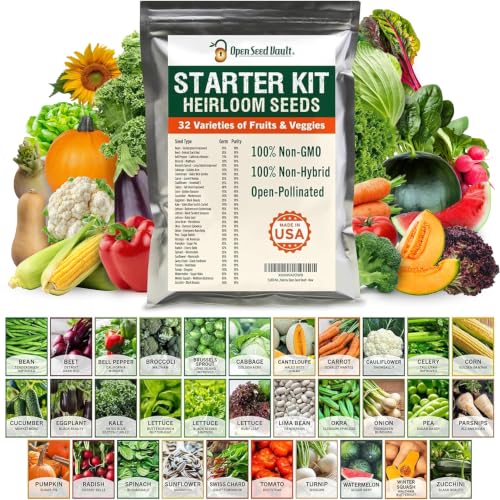
Vegetable & Fruit Seeds
4.6 stars across roughly 14,600 Amazon ratings — the deepest owner record here — but the calorie crops are thin: 15 to 25 seeds of beans, peas, and pumpkin.
$28.99 from Amazon
Why the Fridge Is the Worst Shelf in the House
It feels wrong, because the fridge preserves everything else. But staling is not spoilage — it is starch chemistry, and it peaks at refrigerator temperatures. Bread stored at 40°F firms up several times faster than bread at room temperature. The freezer escapes the problem by going far below that range and stopping the process almost entirely. So the map is simple: counter for days, freezer for weeks and months, fridge for neither. If you have been refrigerating bread for years, your loaves have been staling at maximum speed the whole time — the counter will feel like an upgrade.
Follow-Up Questions
How do I keep sourdough crust crisp?
Paper, not plastic, and never a sealed container while any warmth remains. If the crust softens anyway, 5 minutes in a hot oven restores most of it. Sourdough’s natural acidity also gives it a head start — it resists mold a day or two longer than a plain loaf.
Can I store bread in the fridge if my kitchen is very hot?
The fridge still stales it faster than the counter would. In a hot kitchen, the better answer is to slice and freeze sooner — freeze half the loaf on day one and keep only what two days of eating requires on the counter.
How long does frozen bread really last?
For best quality, about 3 months. Safety-wise, frozen bread keeps indefinitely at 0°F, but every month costs texture. Date the bag when it goes in; a mystery loaf from last spring is crouton material.
Should homemade bread be stored in a bag on the counter or a box?
Either works for 2 to 3 days. A paper bag favors crusty loaves, a box suits mixed baking and keeps counters tidier, and plastic favors soft sandwich loaves at the cost of the crust. Match the container to the loaf.
Viewers also searched for these items.


Robinair 13203 Vacuum Pump Oil
A pump that runs quiet and pulls nothing is very often an oil problem — this is the replacement our maintenance guide names.
$16.79 from Amazon
JB Black Gold Pump Oil
The second oil owners keep for the same change — either beats the waterlogged oil already in the pump.
$54.50 from AmazonFrequently Asked Questions
How long does homemade bread last on the counter?
Two to three days in a paper bag or bread box, in good eating shape. By day four most loaves are stale even if they are not moldy — that is the moment for the oven refresh, toast, or croutons.
Why does bread go stale faster in the fridge?
Starch recrystallization — retrogradation — runs fastest at refrigerator temperatures near 40°F. The fridge does slow mold, but the bread firms up so quickly that the trade is a bad one. Freeze instead.
Can you freeze homemade bread?
Yes, and it is the best long storage there is for bread. Slice first, wrap airtight, freeze for up to about 3 months of best quality, and toast slices straight from frozen.
Storage times are checked against USDA food safety guidance each time this page is revised.
This question came from readers baking more than they can eat in a day. See the rest of the list: What People Are Asking About Food Storage.
Prices shown on this page were last checked November 26, 2026 — prices change; check before you buy.
Talk it over with other readers
The Truly Preserved Community on Facebook is where readers compare notes on food storage, water, and backup power — and where your questions help decide what we research next.