
Truly Preserved is reader-supported. If you buy through a link on this page we may earn a commission at no extra cost to you. Nobody pays for placement or scores.
THE SHORT ANSWER
Freeze-drying leftovers is a race you win before the machine starts. USDA FSIS sets the figures: refrigerate leftovers within 2 hours of cooking (1 hour if the temperature is over 90°F), keep the refrigerator at 40°F or below, and use refrigerated leftovers within 3 to 4 days — the freeze-dryer run belongs inside that window. Cool food rapidly in shallow containers, portion it onto trays in a thin layer (most foods between 1/4 and 1/2 inch, meat no thicker than about 3/4 inch, per Utah State Extension), remove as much grease as possible, pre-freeze the trays, and run a full cycle. Check dryness — crisp, dry, or brittle, no cold or soft spots — seal at once in thick Mylar (5 to 7 mil, no clear windows) with an oxygen absorber, and when the meal comes back, reheat it to 165°F, with soups, sauces, and gravies brought to a rolling boil. Every figure on this page comes from the FSIS, extension, and maker guidance credited at the bottom.
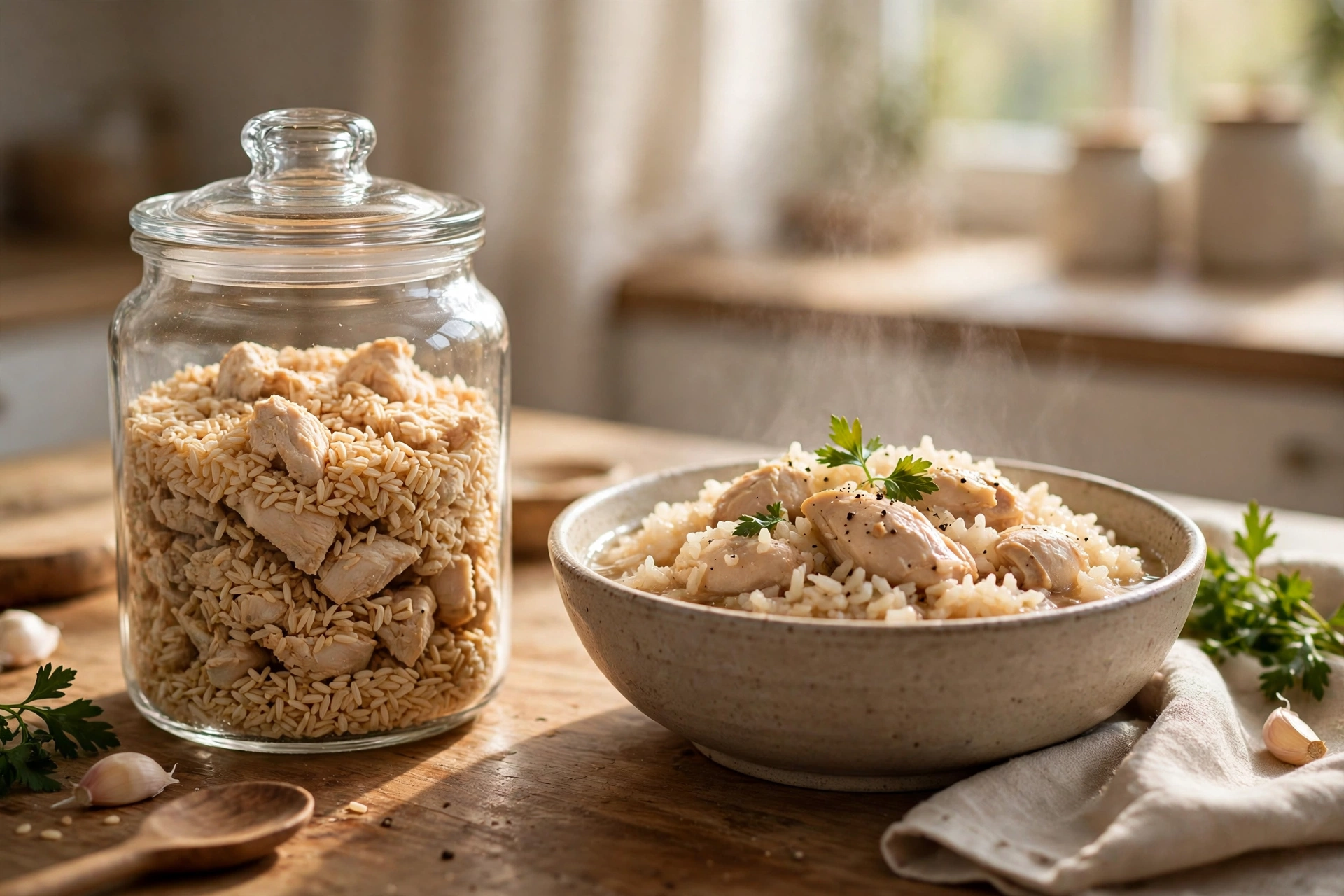
The leftover is where a freeze dryer pays for itself in a normal kitchen. The double batch of chili, the extra casserole, the roast that outlasted the weekend — frozen, they fill the freezer and fade; freeze-dried, they become shelf-stable meals that rehydrate in minutes and taste like the day they were cooked. This page is the meal-scale companion to our earlier question page, can you freeze-dry entire meals or just ingredients — the short version there is that whole meals work, and this guide is the working procedure.
The safety figures are USDA FSIS’s, the procedure is the makers’ and Utah State University Extension’s, and the guide is part of our preservation guides. For the pot-sized version of the same method, see how to freeze-dry soup and stew; for the machine itself, our home freeze dryer roundup and how a freeze dryer works.
What You Need
Cooked leftovers, handled by the FSIS rules below from the moment they leave the stove. Shallow containers for rapid cooling — FSIS directs cooks to divide large amounts of food into shallow containers so it reaches refrigerator temperature fast. Trays that fit your machine, freezer space to pre-freeze the portions, thick Mylar bags (5 to 7 mil, without clear plastic windows, per Utah State), oxygen absorbers, and a way to seal the bags. A food thermometer matters at both ends of this process: it verifies the 165°F reheat when the meal comes back.
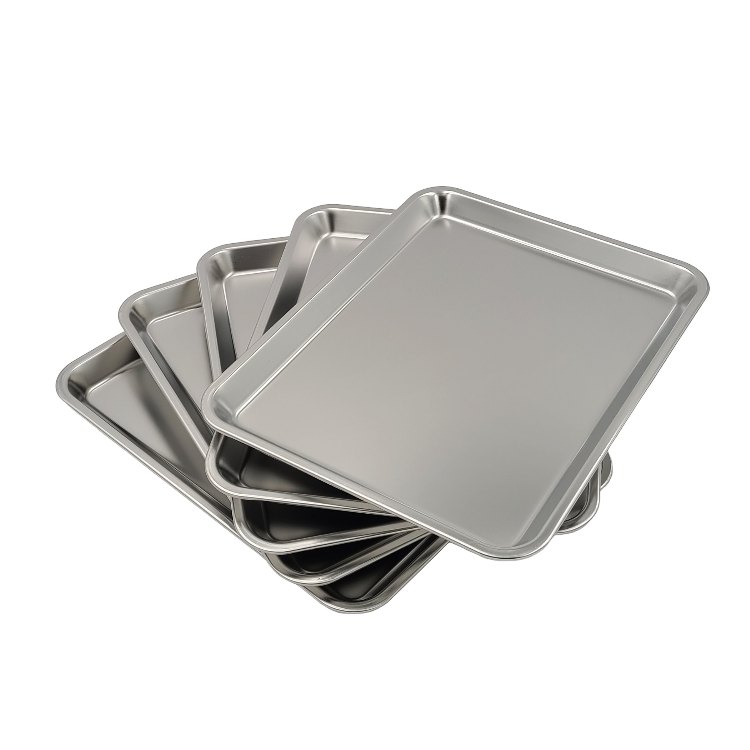
Blue Alpine Freeze Dryer Trays, Medium
A second tray set lets tonight's leftovers pre-freeze in portions while yesterday's batch is still drying.
Check the price
Ziploc Freezer Quart Bags
Quart freezer bags portion leftovers flat for rapid cooling and pre-freezing, the FSIS shallow-portion habit in bag form.
$26.48 from Amazon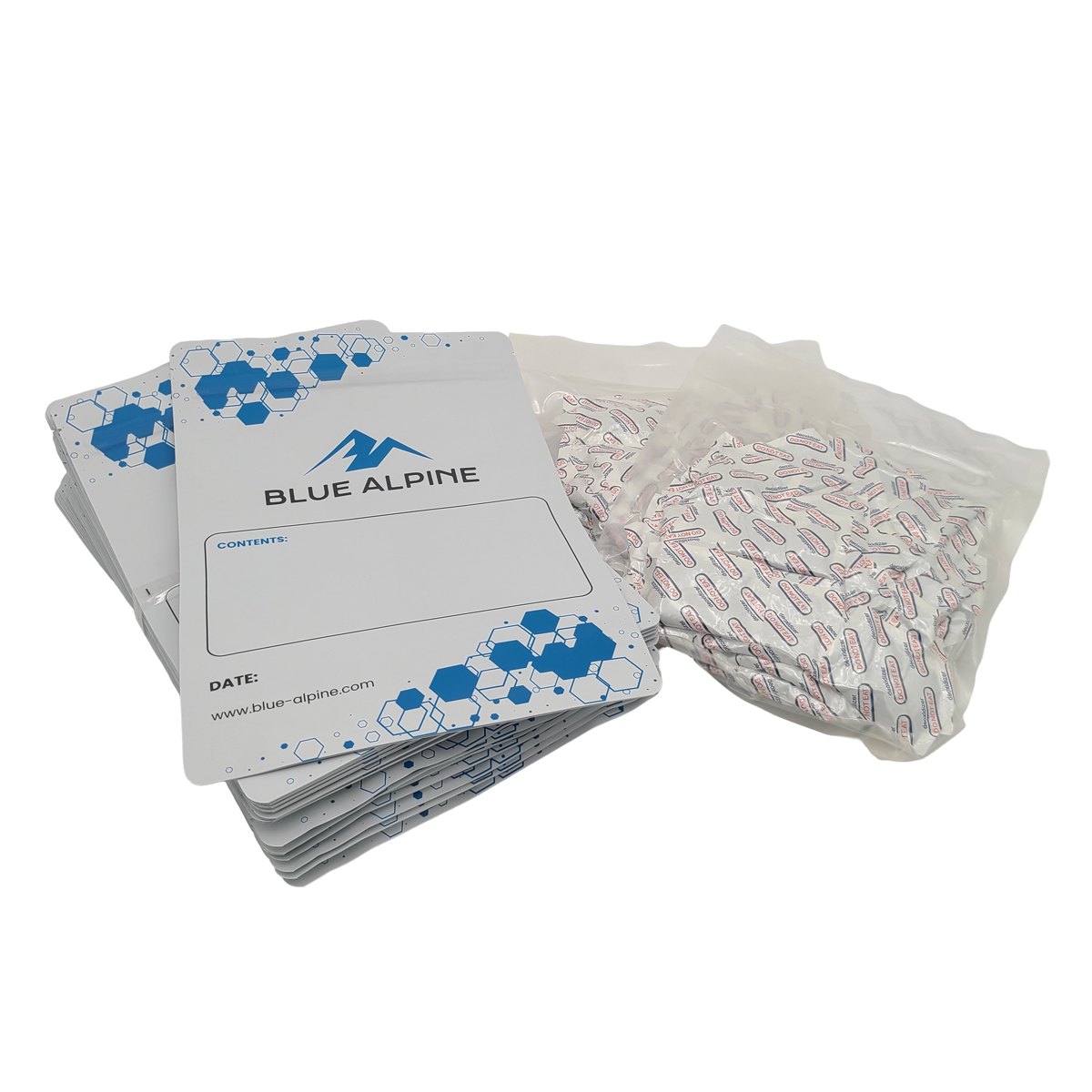
Blue Alpine Mylar Bags with Oxygen Absorbers
The maker's Mylar bags with absorbers - one bag per meal is the whole leftovers system, and this is its package.
Check the priceBefore You Start
FSIS leftover safety is a chain, and every link has a figure. Bacteria grow rapidly between 40°F and 140°F, the “Danger Zone.” Within 2 hours of cooking food or holding it hot, leftovers must be refrigerated; perishable food left at room temperature for more than 2 hours is thrown away — 1 hour if the temperature is over 90°F. Cool rapidly in shallow containers to reach 40°F or below as fast as possible, and keep the refrigerator at 40°F or below. Leftovers keep in the refrigerator for 3 to 4 days, or frozen for 3 to 4 months. And the extension rule that governs the whole page: freeze-drying does not kill bacteria or other microbes — it preserves them — so a leftover that was not safe to serve is not made safe by drying. The machine preserves the meal you give it, exactly as you give it.
How to Freeze-Dry Leftovers, Step by Step
- Refrigerate on the clock. Within 2 hours of cooking, divide the food into shallow containers and refrigerate at 40°F or below, per FSIS.
- Run the batch inside the window. Refrigerated leftovers keep 3 to 4 days. The freeze-dryer run happens in that window — day one or two, not day five.
- Portion and trim. Cut solids to bite size: most foods between 1/4 and 1/2 inch thick, meat pieces no thicker than about 3/4 inch, per extension guidance, so portions freeze and dry evenly. Extension guidance adds that thick foods like casseroles can take more than 2 days to dry whole — portioning first is the fix it recommends.
- Remove the grease. Harvest Right’s instruction for meat dishes is to remove as much grease as possible before freeze drying. Fat does not freeze like water, slows drying, and raises the rancidity risk in storage, per extension guidance.
- Pre-freeze the trays. Extension guidance recommends pre-freezing foods in your freezer before loading. Frozen portions also load without sloshing or shifting.
- Run a full cycle. The machine freezes the food to −40°F or colder and dries it under vacuum, sensing moisture and finishing when the load is dry. Mixed meals are mixed loads — the densest piece sets the pace, and extra dry time is the normal finish for a casserole batch.
- Check for dryness the extension way. Crisp, dry, or brittle, with no cold or soft spots. Break the thickest piece of meat or potato and check the center; cold means moisture, and moisture means more dry time.
- Package immediately, in meal-size bags. One bag per meal, with an oxygen absorber in each, sealed at once. Finished food left sitting out begins to rehydrate from moisture in the air. Label with the meal, the date, and the reheat note: 165°F.
The Numbers: Leftover Safety and Machine Settings
The safety figures are FSIS’s, exactly as published. The machine figures are the makers’ and extension’s — freeze-dryer makers publish no per-food tested times, and the machine decides dryness by sensor.
| Checkpoint | The figure | Source |
|---|---|---|
| Danger Zone | 40°F to 140°F | USDA FSIS |
| Refrigerate leftovers within | 2 hours (1 hour if over 90°F) | USDA FSIS |
| Refrigerator temperature | 40°F or below | USDA FSIS |
| Refrigerated leftover life | 3 to 4 days | USDA FSIS |
| Frozen leftover life | 3 to 4 months | USDA FSIS |
| Reheat leftovers to | 165°F; soups, sauces, and gravies to a rolling boil | USDA FSIS |
| Portion thickness | Most foods 1/4 to 1/2 inch; meat no thicker than about 3/4 inch | Utah State Extension |
| Machine freezing stage | −40°F or colder | Harvest Right |
| Dryness test | Crisp, dry, or brittle — no cold or soft spots | Utah State Extension |
| Packaging | Mylar 5–7 mil, no windows, plus oxygen absorber | Utah State Extension |
| Stability, properly packaged | 10–15 years, sometimes up to 25 | Utah State Extension |
| Recommended use window, home freeze-dried | 5–10 years for quality | Utah State Extension |
On rehydration, Harvest Right’s direction for full meals is to slowly add hot or warm water until the meal reaches the proper consistency, then warm it further — and FSIS sets the finish line at 165°F as measured with a food thermometer. No maker publishes a fixed water ratio for a mixed meal; add water gradually.
Not every leftover goes in the freeze dryer. The portions headed for next week’s lunches keep best vacuum-sealed in the freezer inside their 3-to-4-month window, and these are the two sealers that side of the job runs on.

FoodSaver Elite Vacuum Sealer
For leftovers headed to the freezer instead - vacuum sealing holds portions through the FSIS 3-to-4-month frozen window.
$218.56 from Amazon
Nesco VS-12 Vacuum Sealer
A countertop vacuum sealer for next week's lunch portions, sealed flat and stacked.
$108.18 from AmazonCommon Mistakes
Drying leftovers that are already too old. Day five is outside the FSIS 3-to-4-day window. Freeze-drying does not reset a leftover’s clock or kill what grew on it — food past the window is discarded, not preserved.
Leaving the serving dish out all evening. The 2-hour rule runs from when the food was cooked or held hot, not from when you remember it. Food past the limit is thrown away, per FSIS, however good it looks.
Loading whole casseroles. Extension guidance warns that thick foods can take more than 2 days to fully dry and recommends small portions instead. Portion first; the batch dries evenly and the bags come out meal-size.
Keeping the grease. Grease slows the cycle and goes rancid in the bag. Remove as much as possible before the trays load, as the maker directs.
Reheating by eye. “Steaming” is a look; 165°F on a food thermometer is the FSIS standard. The thermometer, not the bubbling edge, decides.
Storage and Shelf Life
Utah State Extension states that freeze-dried foods can remain safe and stable for 10 to 15 years — sometimes up to 25 — in airtight, moisture-proof packaging kept cool, dark, and dry, and recommends consuming home freeze-dried products within 5 to 10 years for quality. Mixed meals with meat and fat rotate at the front of that window. Once a bag is opened, its oxygen absorber no longer works and should be replaced before resealing, per Harvest Right. Date every bag — with the cooking date’s month noted if you want the full story — and rotate oldest first.
Viewers also searched for these items.

Blue Alpine Medium Select
The Blue Alpine medium machine whose maker's published guidance this series draws on, sized for family dessert batches.
Check the price
ePackageSupply 5-Gallon Buckets, 3-Pack
Food-grade buckets with gamma lids store a season of sealed meal bags rigid and pest-proof.
$73.99 from Amazon
Metronic 8-Inch Impulse Sealer
An impulse sealer for closing meal bags at the pace a double-batch cooking day produces them.
$39.99 from AmazonFrequently Asked Questions
Can I freeze-dry a whole meal, or only ingredients?
Whole meals. Harvest Right’s guide preserves full meals — pasta dishes, sloppy joe mix, stir fry over rice — and extension guidance covers cooked starches, sauces, and casseroles, with portioning as the working rule. Our meals-or-ingredients page works through the cases.
How long do leftovers keep before I freeze-dry them?
FSIS gives refrigerated leftovers 3 to 4 days at 40°F or below, and the run belongs inside that window. Frozen leftovers keep 3 to 4 months and can be freeze-dried from frozen — pre-frozen trays are the extension’s recommended loading form anyway.
How do I reheat a freeze-dried leftover meal?
Add hot or warm water slowly until it reaches the proper consistency, per Harvest Right, then heat it to 165°F as measured with a food thermometer, per FSIS. Soups, sauces, and gravies come to a rolling boil.
What leftovers should I not freeze-dry?
Anything outside the FSIS window, anything left out beyond 2 hours, and the high-fat foods extension guidance flags — oils and mayonnaise are a no, and fatty dishes dry slowly and store with rancidity risk. When in doubt, the refrigerator clock, not the machine, decides.
Leftover-safety figures: USDA Food Safety and Inspection Service, “Leftovers and Food Safety,” via USDA FSIS; procedure: Utah State University Extension, “Can I Freeze-Dry That? A Practical Guide to Safe and Effective Freeze-Drying,” and Harvest Right, “Guide to Freeze Drying.”
Prices shown on this page were last checked November 26, 2026 — prices change; check before you buy.
Talk it over with other readers
The Truly Preserved Community on Facebook is where readers compare notes on food storage, water, and backup power — and where your questions help decide what we research next.