
Truly Preserved is reader-supported. If you buy through a link on this page we may earn a commission at no extra cost to you. Nobody pays for placement or scores.
THE SHORT ANSWER
Coffee is the short-clock food in this category, and the National Coffee Association’s guidance treats it that way: buy freshly roasted coffee in small amounts — enough for one or two weeks — keep it in an opaque, airtight container in a cool, dark place, and grind it just before brewing. The freshness figures are weeks, not years: roasted whole beans keep their freshness for 1 to 3 weeks at room temperature, ground coffee for 1 to 2 weeks, and beans frozen in a truly airtight container for 3 to 4 months. Air, moisture, heat, and light are the enemies the NCA names. The pantry exception is instant coffee, which USDA FoodKeeper lists at 1 year in the pantry — the form that actually stores. Every figure on this page comes from the credited sources at the bottom.
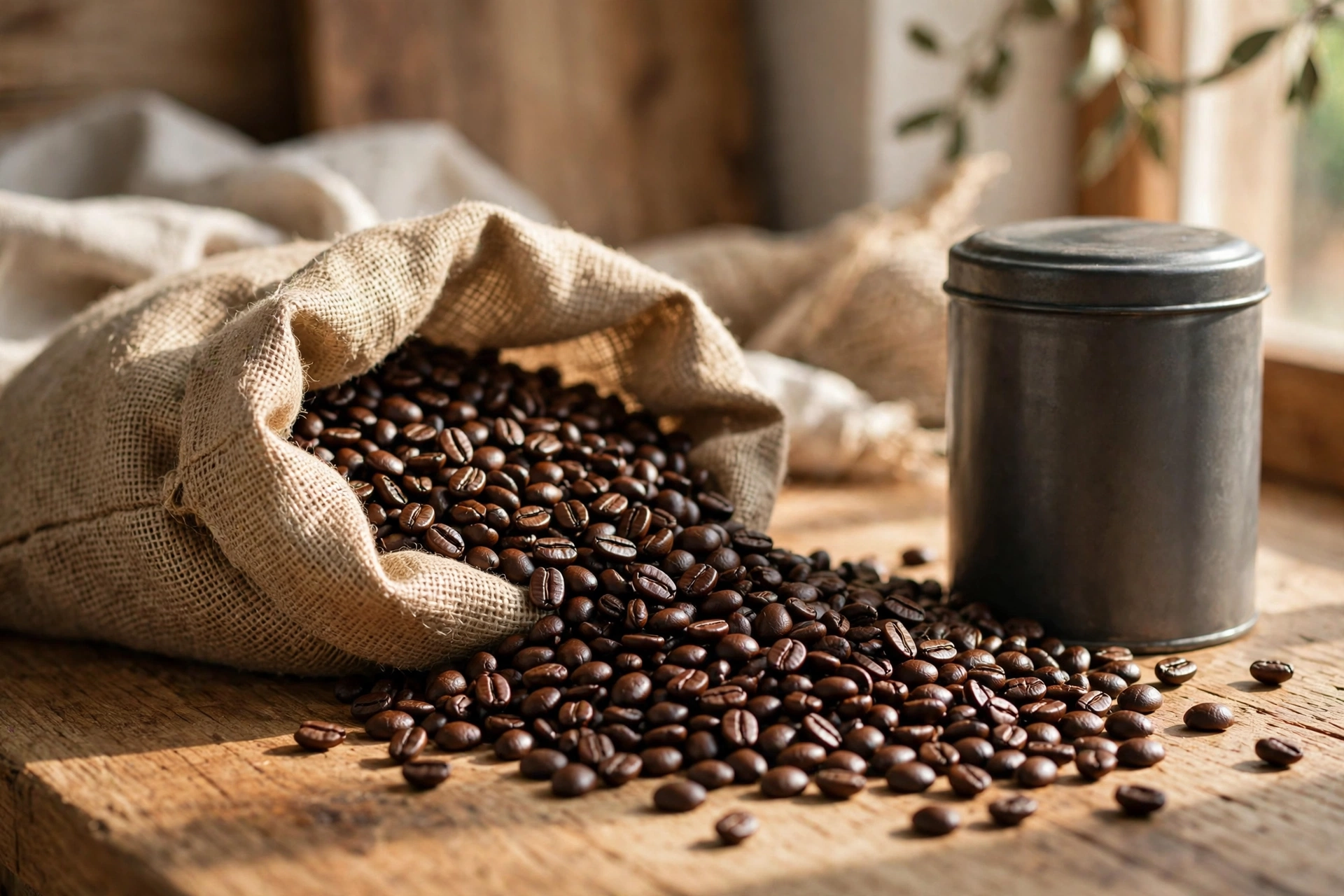
Every other food in this category gets better the longer its seal holds. Coffee runs the other way: roasting starts a clock that no container stops, only slows. The aromatics that make a cup worth drinking are volatile, the oils that carry them go stale in air, and grinding multiplies the exposed surface so dramatically that the NCA gives ground coffee a shorter freshness window than beans by half. Honest coffee storage is therefore a different discipline from the rest of this shelf — not sealing for decades, but buying at the right size, portioning for the freezer only when you must, and knowing which form of coffee is the storage form. It is instant, and the NCA’s own chart says why: pods and instant coffee keep until the best-by date, while roasted beans are measured in weeks.
This guide follows the National Coffee Association’s storage guidance and the USDA FoodKeeper chart exactly. It belongs with the rest of this category — the vacuum sealer that portions beans for the freezer is the same machine that seals the meat in how to vacuum seal meat for the freezer — and this guide is part of our preservation guides for the whole pantry.
What You Need
Whole beans, freshly roasted, in an amount your household drinks in one or two weeks — that quantity rule is the NCA’s first storage instruction, ahead of any container. For the container: opaque and airtight, because the NCA notes that clear canisters let in light, which can compromise taste, and that coffee should be transferred to an airtight container especially if it is pre-ground. For coffee beyond two weeks, you need the freezer and a genuinely airtight way to portion it — vacuum-sealed pouches in one-week amounts are the practical form. And for the true long-term shelf, instant coffee in its sealed jar, which is a different product bought for a different purpose.

Nesco VS-12 Vacuum Sealer
A vacuum sealer makes the truly airtight one-week portions the NCA's freezer guidance requires, so bulk beans can be frozen without repeated openings.
$108.18 from Amazon
Ziploc Freezer Quart Bags
Heavy freezer bags are the simple portioning option for beans going into the freezer, with the air pressed out and each bag holding about a week.
$26.48 from Amazon
Ball Half-Pint Mason Jars, 12-Pack
Glass jars with tight lids hold ground coffee for the working week — kept in a dark cupboard, since the NCA warns clear containers let light compromise taste.
Check AvailabilityBefore You Start
Know the four enemies, in the NCA’s list: air, moisture, heat, and light. Every rule in this guide blocks one of them. Air stales the oils, moisture is absorbed eagerly — coffee picks up odors and damp from its surroundings — heat accelerates everything, and light degrades flavor in a clear container. Two location rules follow directly: the NCA advises against cabinets near the oven or the dishwasher, and against spots that get strong afternoon sun. A cool, dark cupboard away from the stove is the standard spot, and the refrigerator is not the upgrade it looks like — the NCA lists refrigerated beans at 2 weeks, no better than the counter, with condensation and odor pickup working against them.
How to Store Coffee, Step by Step
- Buy small and fresh. Enough freshly roasted coffee for one or two weeks, per the NCA — a bag that lasts a month is a bag finished stale.
- Keep the beans whole. Grinding exposes far more surface to air, which is why beans hold freshness for 1 to 3 weeks and ground coffee for 1 to 2. Grind only what you brew, right before you brew it.
- Move it into an opaque, airtight container. Out of the retail bag once opened — the NCA says the transfer matters especially for pre-ground coffee — and never into a clear canister on a bright counter.
- Put the container somewhere cool and dark. A cupboard away from the oven, the dishwasher, and strong afternoon sun.
- Portion the overflow for the freezer. If you bought more than two or three weeks’ worth, split it into one-week portions, pack each one truly airtight, and freeze while the coffee is fresh.
- Take out no more than a week’s worth at a time. That is the NCA’s freezer rule — remove a portion quickly and return the rest to the freezer before condensation forms on the coffee. Let the portion come to room temperature before opening it.
- Stock instant for the long shelf. For a reserve measured in months and years rather than weeks, sealed instant coffee is the form the charts support.
The Numbers: Form, Place, and Freshness
From the National Coffee Association’s storage and shelf life guidance, assuming opened coffee is kept in an airtight container.
| Form and place | Retains freshness |
|---|---|
| Unopened packages of roasted beans or ground coffee | Until the best-by date |
| Roasted whole beans, room temperature | 1 to 3 weeks |
| Roasted whole beans, refrigerated | 2 weeks |
| Roasted whole beans, frozen, truly airtight | 3 to 4 months |
| Ground coffee, room temperature | 1 to 2 weeks |
| Coffee pods and instant coffee | Until the best-by date |
| Instant coffee, pantry (USDA FoodKeeper) | 1 year |
These are freshness figures, not safety dates — stale coffee is a disappointing cup, not a dangerous one, and the NCA frames the whole chart as how long coffee keeps its flavor.
Freezer portions are where this category’s machines earn their keep on coffee. These are the tools that side of the job runs on.

FoodSaver Elite Vacuum Sealer
A vacuum sealer portions beans for the freezer in truly airtight pouches — the condition the NCA puts on its 3 to 4 month frozen figure.
$218.56 from Amazon
IRIS USA Airtight Container, 30 lb, with Wheels
An airtight container keeps the working bag of beans sealed between mornings, limiting the air exposure that starts the freshness clock running down.
$23.99 from AmazonCommon Mistakes
Buying the big bag. The NCA’s one-to-two-week buying rule exists because freshness loss starts at roasting, not at opening. A two-pound bag in a one-cup household spends most of its life past the 1 to 3 week window, however good the container is.
Storing coffee in a clear canister. It looks good on the counter and does the one thing the NCA warns against — clear canisters let in light, which can compromise taste. Opaque is not a style choice here.
Keeping coffee in the refrigerator. The chart gives refrigerated beans 2 weeks, no gain over room temperature, and the fridge adds moisture and odors that coffee readily absorbs. The cupboard is the better cold-adjacent spot for coffee in daily use.
Freezing one big bag and dipping into it. Every opening lets warm, moist air reach cold beans, and condensation is moisture — one of the four enemies — delivered directly. Weekly portions, opened once each, are the whole point of freezing coffee.
Stocking roasted beans as the emergency supply. A reserve meant to sit for a year cannot be built on a food whose freshness chart tops out at 3 to 4 months frozen. Instant coffee, at 1 year in the pantry by FoodKeeper and until its best-by date unopened, is the storage form; roasted beans are the fresh form.
Storage and Shelf Life
Run coffee as a rotation, not a reserve: the freshest bag in use, one week’s frozen portions behind it at most, and the cupboard container refilled from the newest supply so nothing drifts past its window unnoticed. The NCA notes that freezing or refrigerating is most beneficial in humid climates, where airborne moisture at room temperature is the bigger risk — if your kitchen is dry and cool, the cupboard does the whole job for coffee you drink within the window. For the deep shelf, keep instant coffee sealed, dated, and in the same cool, dark conditions as the rest of the pantry, and rotate it on its best-by date like any other stored food.
Viewers also searched for these items.
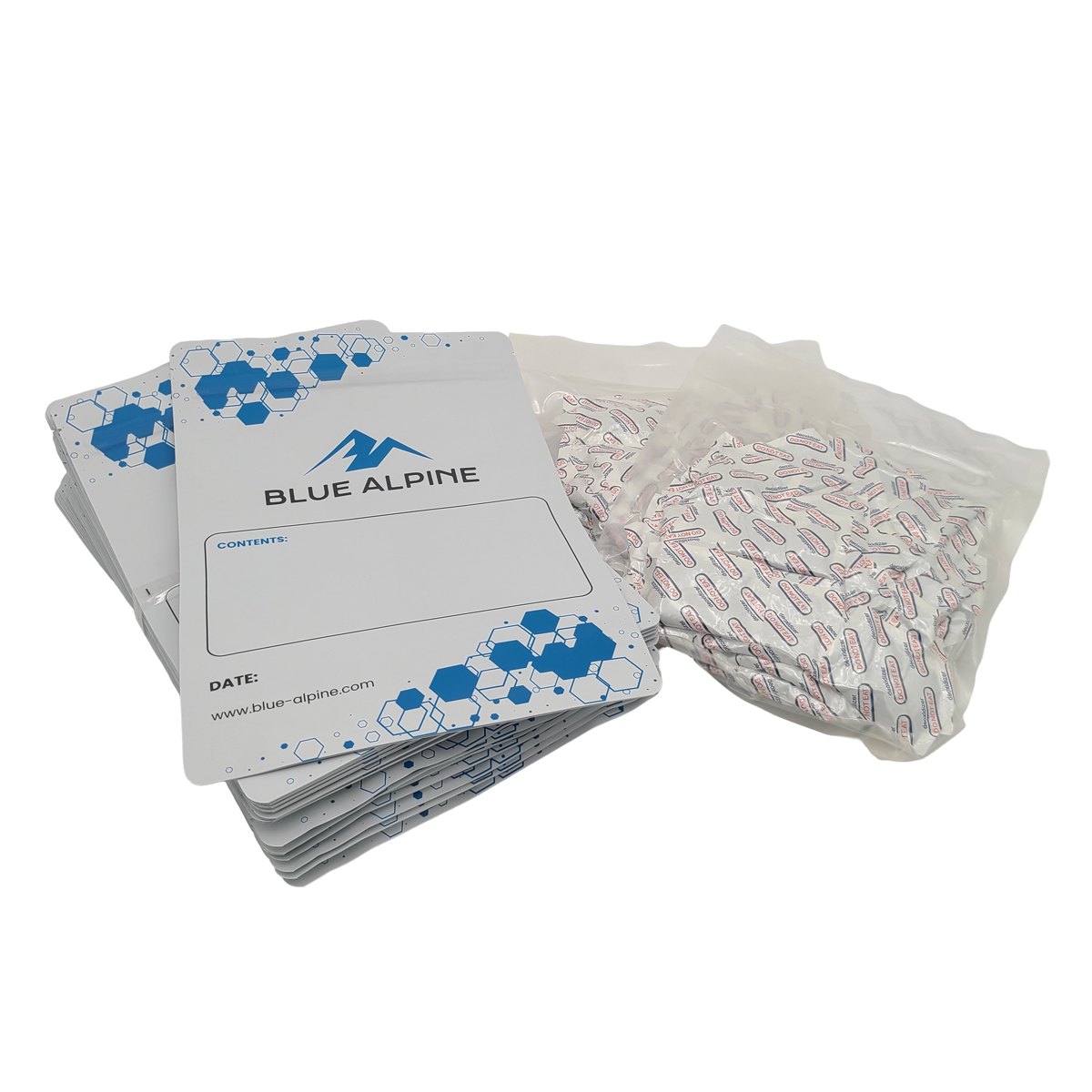
Blue Alpine Mylar Bags with Oxygen Absorbers
Foil pouches are light-proof as well as airtight, so a frozen coffee portion is protected from light and air at once until its week comes.
Check the price
ThermoPro TP49 Hygrometer
A hygrometer in the coffee cupboard verifies the dry conditions the four-enemies rule assumes, flagging a steamy spot before it stales the beans.
$8.54 from Amazon
Etekcity Digital Kitchen Scale
Weighing portions before sealing keeps every freezer pouch at one true week's worth, which is the portion discipline the NCA's freezer rule assumes.
$9.99 from AmazonFrequently Asked Questions
Should I freeze coffee beans?
For coffee you will not drink within two or three weeks, yes — in a truly airtight container, in portions, per the NCA, which gives frozen beans 3 to 4 months. For the coffee you are drinking now, the cupboard is better: freezing daily-use coffee means repeated openings, and condensation forms on cold beans in warm air.
Whole beans or ground — how much does it matter?
About half the clock, on the NCA’s chart: whole beans hold freshness 1 to 3 weeks at room temperature, ground coffee 1 to 2 weeks. Grinding exposes far more surface to air, so beans stored whole and ground per brew is the single biggest freshness step available.
How long does instant coffee keep?
USDA FoodKeeper lists instant coffee at 1 year in the pantry, and the NCA lists pods and instant coffee as keeping until the best-by date unopened. Either way, it outlasts roasted coffee by an order of magnitude, which is why it is the form stocked for the long shelf.
Is stale coffee unsafe?
The NCA’s chart is a freshness chart — its figures describe how long coffee retains its flavor, not a safety limit. Coffee past its window tastes flat and stale; it is a quality loss, and the fix is buying at the one-to-two-week size the guidance starts with.
Storage and freshness guidance: National Coffee Association, “Storage and Shelf Life,” via aboutcoffee.org; instant coffee pantry time: USDA Food Safety and Inspection Service, FoodKeeper storage chart.
Prices shown on this page were last checked November 26, 2026 — prices change; check before you buy.
Talk it over with other readers
The Truly Preserved Community on Facebook is where readers compare notes on food storage, water, and backup power — and where your questions help decide what we research next.