
Truly Preserved is reader-supported. If you buy through a link on this page we may earn a commission at no extra cost to you. Nobody pays for placement or scores.
THE SHORT ANSWER
No, you don’t have to — the machine freezes the food itself as the first stage of every cycle. But pre-freezing is the cheapest hour you’ll ever save: food that goes in already frozen typically cuts about 1 to 1.5 hours off the batch, dries more evenly, and holds its shape and color better. The one discipline that matters: pre-frozen food has a window of about 48 hours. Past that, load it into the machine anyway and still run the full freeze cycle — treat pre-freezing as a head start, never as a stage you can skip or stretch.
The freeze dryer’s own cycle starts with freezing for a reason — food has to be frozen solid before the vacuum can pull water out of it as vapor. Pre-freezing in your kitchen freezer simply does that first stage somewhere else, in parallel, while the machine finishes the previous batch. Owners who run back-to-back batches treat it as pipeline management: the next load freezes while the current one dries, and the machine never sits idle waiting for food to freeze.
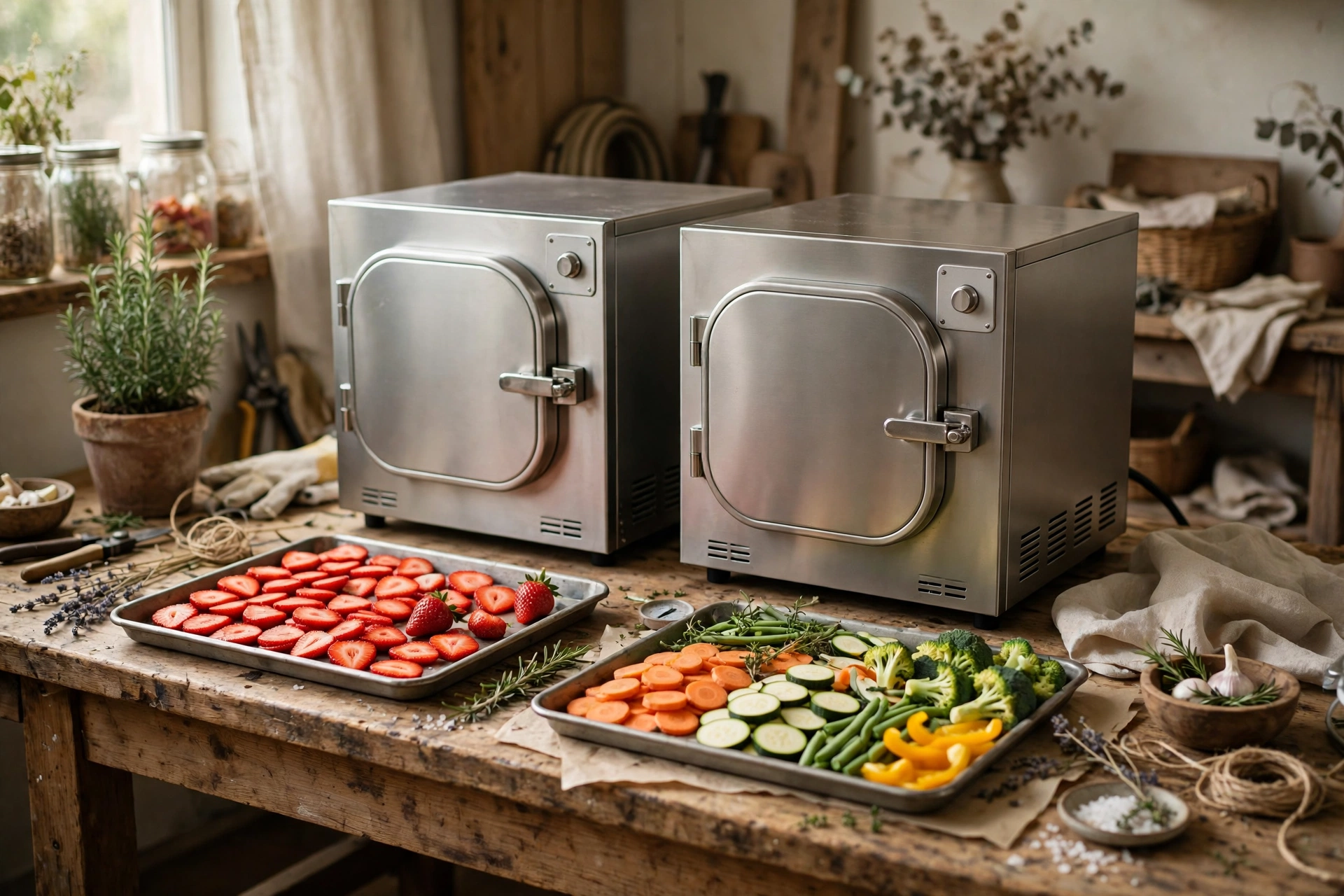
There’s a quality argument too. Food frozen on trays in a home freezer, in a single layer, freezes in the shape you’ll store it in — berries stay separate instead of fusing into a slab, liquids set flat, and slices keep their edges. The machine’s freeze stage freezes whatever shape the food was loaded in, including the puddle.
The 48-Hour Window
Here is the edge most pre-freeze advice online leaves out. Food held in a home freezer is food in a frost-free freezer — one that warms itself periodically to melt frost, cycling your food through small temperature swings. For a day or two, that’s nothing. Across a week, it means surface dehydration, freezer burn starting at the edges, and food that goes into the machine already partly dried in the worst way. The working rule the experienced owners use: pre-frozen trays go into the freeze dryer within about 48 hours. If the schedule slips, the food isn’t ruined — it just goes in as it is, and the machine’s own freeze cycle runs in full. What you never do is shorten the machine’s freeze stage because the food “was already frozen.” The machine doesn’t know your freezer’s history, and its sensors are the ones calling the batch.
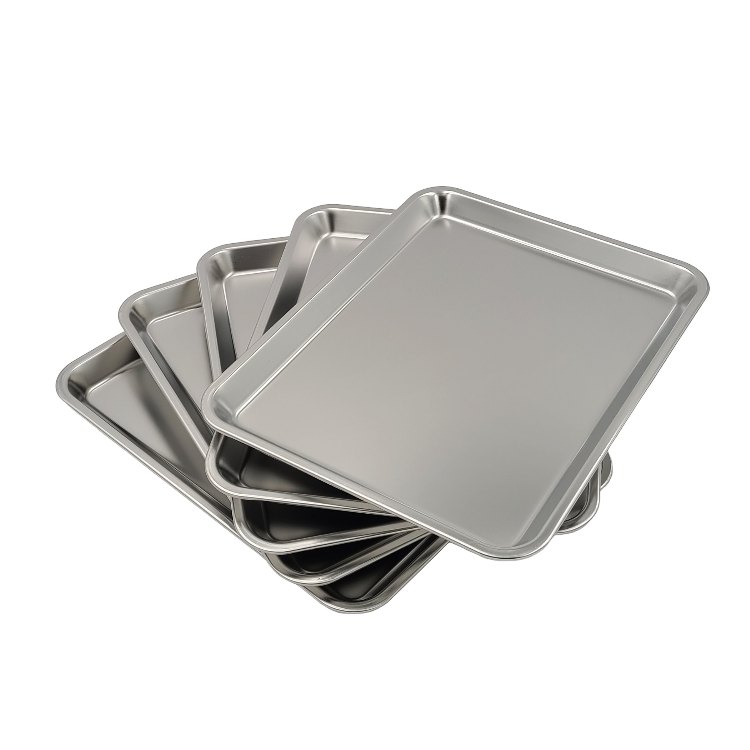
Blue Alpine Freeze Dryer Trays (Medium)
A second set of trays is what makes pre-freezing a system instead of a scramble — one set in the machine, the next load freezing on the spares. Use code TRULYPRESERVED at checkout for 10% off.
$66.71 from Blue Alpine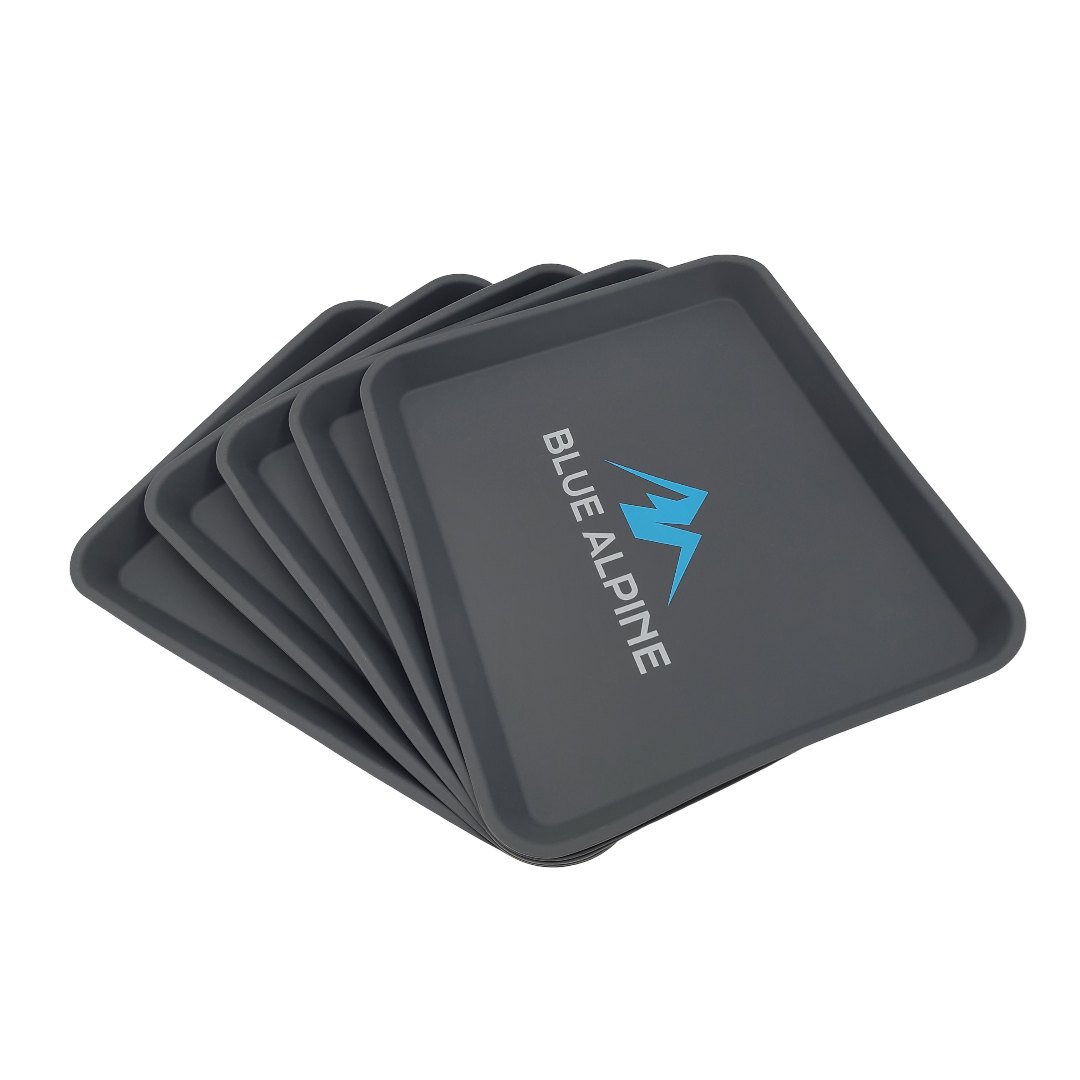
Blue Alpine Silicone Tray Mats (Medium)
Silicone liners keep berries, eggs, and sugary foods from freezing fast to the tray — the pieces release whole, in the shape you froze them. Use code TRULYPRESERVED at checkout for 10% off.
$29.08 from Blue AlpineHow to Pre-Freeze Well
Freeze on the trays the machine will use. Food frozen in a bag and then arranged on a tray has to be handled frozen, sticks, and breaks. Food frozen on the tray, in a single layer with space between pieces, lifts straight from freezer to machine — and tray liners or silicone mats keep berries and sticky foods from welding themselves down.
Freeze it solid, not cold. Overnight is the practical standard; a tray that feels cold but flexes in the middle is a tray of food that’s still freezing. Dense and liquid foods get the full night, minimum.
Keep the batch math honest. Pre-freezing saves roughly an hour to an hour and a half — worth having, not worth reorganizing your life around. The total batch still runs on the machine’s clock; our freeze-drying times by food gives the full ranges, and the dryness checks in how to tell when freeze-dried food is completely dry are what actually end the batch. And when a batch comes out soft despite everything, re-freeze-drying soft food covers the rescue.
Follow-Up Questions
Does pre-freezing change the food’s shelf life?
No — shelf life is set by how dry the food ends up and how it’s packed. Pre-freezing changes the schedule and the shape, not the storage math.
Can I pre-freeze liquids like soup or raw eggs?
They’re the best candidates for it. Liquids frozen flat on a lined tray go into the machine as even slabs that dry uniformly, instead of freezing into a dome with a thick, slow center.
My freezer is small. Is partial pre-freezing worth it?
Freeze the dense items — the meat chunks, the liquids, the thick pieces — and load the light produce fresh. The head start lands where the freeze stage spends its time.
Viewers also searched for these items.



METRONIC Impulse Sealer
Mylar does not seal with a vacuum sealer's bar alone — an impulse sealer makes the wide, even heat seal that closes a mylar bag for real, which is the difference between stored and merely bagged.
$39.99 from AmazonFrequently Asked Questions
Will the machine over-freeze food that’s already frozen?
No. The freeze stage runs to its temperature target and holds; food that arrives frozen simply gets there sooner. There’s no penalty for arriving early.
How long can food stay pre-frozen if my batch gets delayed a week?
It keeps, as frozen food — but expect freezer-burn edges and a quality step down, and still run the full machine cycle. The 48-hour window is about quality, not safety.
Does pre-freezing help with the mid-batch failures?
It removes one variable — food entering at mixed temperatures — but vacuum and heater faults are machine problems with their own answers in the freeze-dried section, not loading problems.
Cycle guidance per freeze dryer makers’ published operating guidance and owner-consensus practice from our forum harvest.
This question came from our harvest of what readers ask in the forums. See the rest of the list: What People Are Asking About Freeze-Dried Food.
Prices shown on this page were last checked November 26, 2026 — prices change; check before you buy.
Talk it over with other readers
The Truly Preserved Community on Facebook is where readers compare notes on food storage, water, and backup power — and where your questions help decide what we research next.