
Truly Preserved is reader-supported. If you buy through a link on this page we may earn a commission at no extra cost to you. Nobody pays for placement or scores.
THE SHORT ANSWER
Make dog treats from cooked meat, not raw. Utah State University Extension’s freeze-drying table states that raw meat must be fully cooked — cooked to 160°F — and raw poultry cooked to 165°F, and the CDC is blunter about the raw route: it does not recommend feeding raw pet food or treats to dogs and cats, and it states that freeze-drying raw protein only reduces the amount of germs and does not kill all germs that might be on the food. So: cook the meat to the extension temperatures, cut it small (meat pieces no thicker than about 3/4 inch, per extension guidance), freeze-dry it on trays in a single layer, check that it is crisp and dry with no cold or soft spots, and store it sealed in thick Mylar (5 to 7 mil, no clear windows) with an oxygen absorber, or in an airtight pet-food container for the working supply. No health claims are made for these treats beyond what the sources state — they are a homemade treat, handled with the same care as cooked meat for people. Every figure on this page comes from the CDC, extension, and maker guidance credited at the bottom.
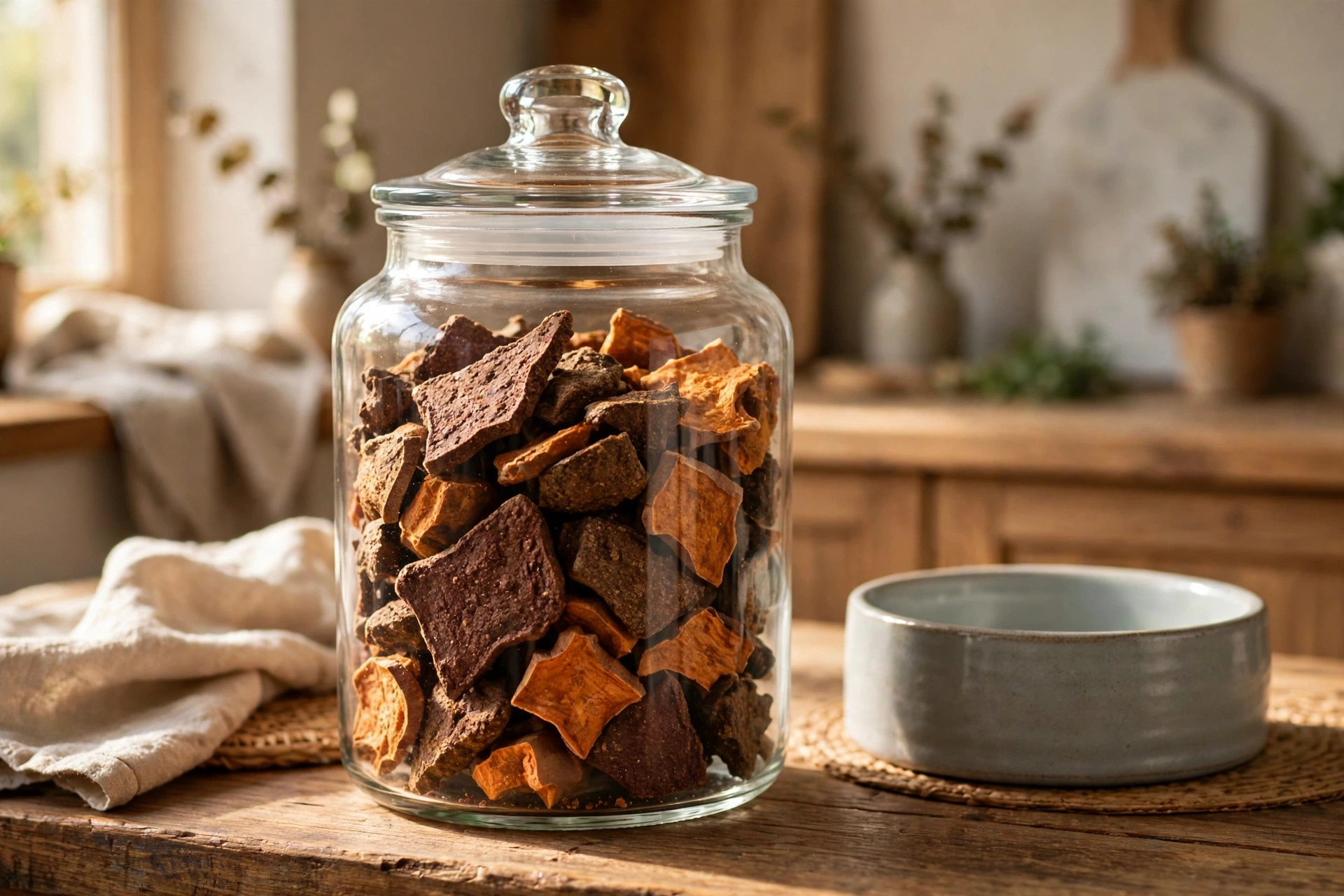
A single-ingredient freeze-dried meat treat is the simplest thing in the pet aisle — and one of the priciest per ounce. A home freeze dryer makes the same treat from the meat your household already buys, cut small and dried crisp. But pet treats sit at a genuine safety crossroads, because much of the commercial category is raw, and the public-health guidance on raw pet food is unusually united. This guide states that guidance plainly and builds the treats the cooked way.
The safety figures come from the CDC’s pet food safety page and Utah State University Extension’s freeze-drying guide; the procedure follows the makers’ published meat guidance. The guide is part of our preservation guides. For the machine itself, see our home freeze dryer roundup and how a freeze dryer works; the meat-handling rules here are the same ones behind how to freeze-dry leftovers.
What You Need
Lean meat or poultry, cooked before it is dried — extension guidance is to remove as much bone and fat as possible and cut meat into manageable pieces, and Harvest Right recommends meat no thicker than the sides of the trays (3/4 inch). A food thermometer, because the cook temperatures below are verified, not guessed. Trays that fit your machine, silicone mats or parchment, thick Mylar bags (5 to 7 mil, without clear plastic windows, per Utah State), oxygen absorbers, and a way to seal the bags. Keep the ingredient list to meat alone: no seasoning blends, no onion or garlic powders — this is a treat, and plain is the point.
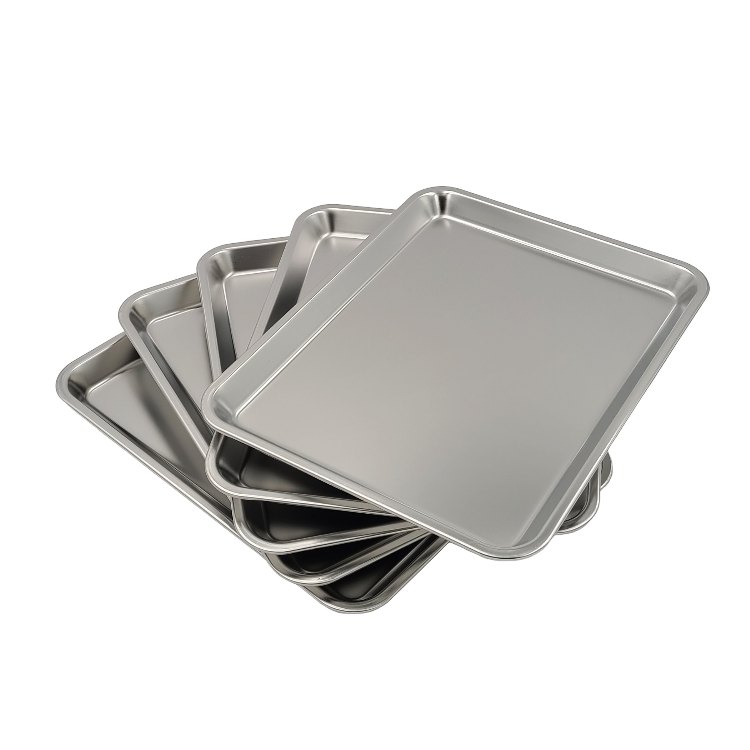
Blue Alpine Freeze Dryer Trays, Medium
A second tray set lets cooked meat pieces pre-freeze in a single layer while another batch dries.
Check the price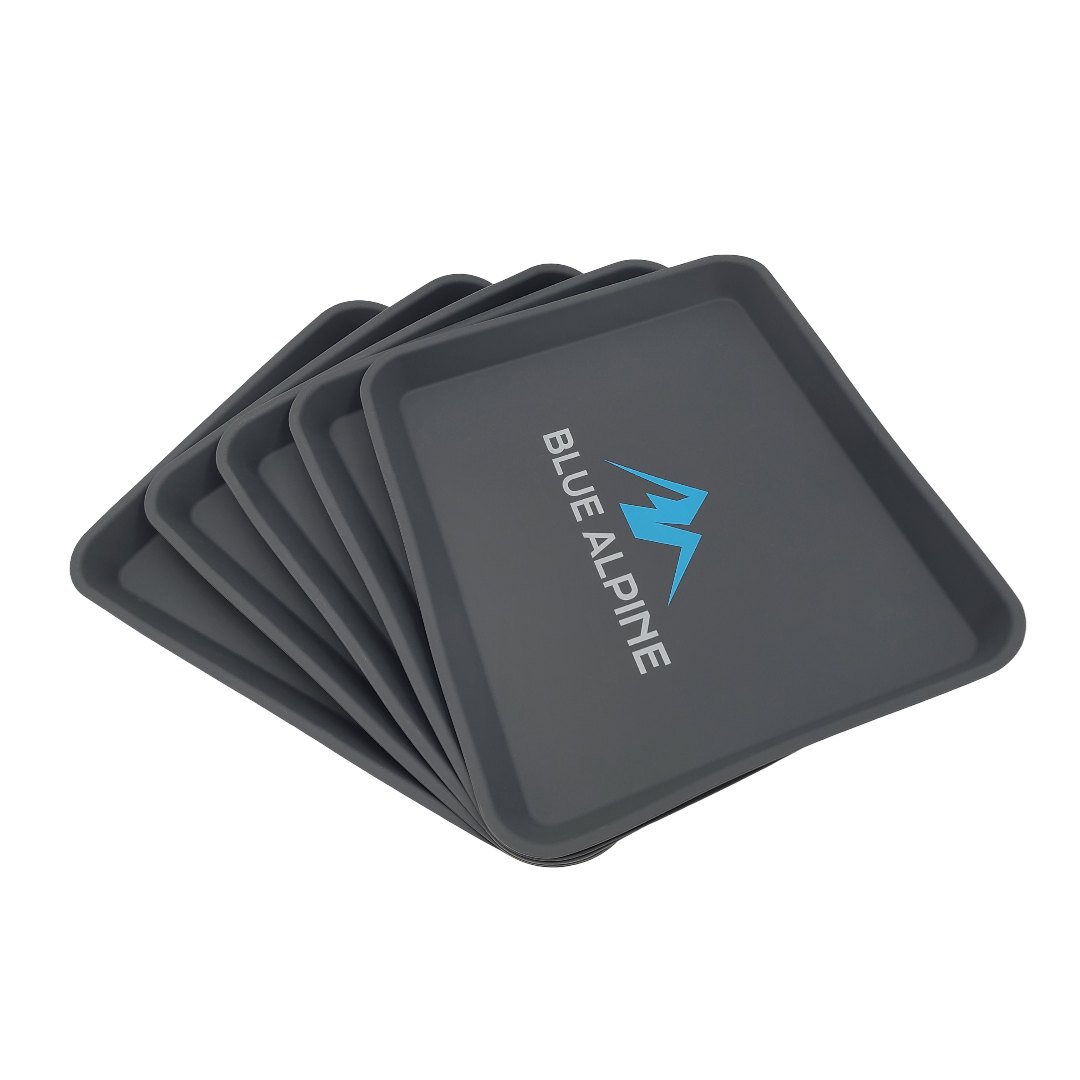
Blue Alpine Silicone Mats, Medium
Silicone mats keep small treat pieces from scattering and sticking, and lift out of the tray in one piece.
Check the price
Blue Alpine Medium Select
The Blue Alpine medium machine whose maker's published guidance this series draws on, sized for family dessert batches.
Check the priceBefore You Start
The raw-meat caution, stated as the sources state it. The CDC does not recommend feeding raw pet food or treats to dogs and cats, because raw meat and other raw protein from animals can have germs like Salmonella and Listeria, and those germs can spread around your kitchen and home and make your family sick. Freeze-drying does not close that gap: the CDC states that freeze-drying, dehydrating, or freezing raw protein only reduces the amount of germs and does not kill all of them, and Utah State Extension states that freeze-drying does not kill bacteria or other microbes — it preserves them. The AVMA’s policy likewise discourages feeding cats and dogs any animal-source protein that has not first been put through a process to eliminate pathogens. Cooking is that process. That is why this guide cooks the meat first, and why raw meat treats carry the same handling rules as raw meat for people — because, per the sources, they are the same risk in a smaller bag.
How to Make Freeze-Dried Dog Treats, Step by Step
- Cook the meat. Cook meat fully before drying: to 160°F for meat and 165°F for poultry, per Utah State Extension’s freeze-drying table, measured with a food thermometer. Cook it plain — no seasoning.
- Trim and cut small. Remove as much bone and fat as possible, per Harvest Right’s meat guidance, and cut the cooked meat into treat-size pieces no thicker than about 3/4 inch — extension guidance sets meat pieces at no thicker than about 3/4 inch so they freeze and dry evenly.
- Load the trays in a single layer. Extension guidance: lay foods in a single layer on trays with space between pieces to allow for uniform drying. Mats or parchment keep small pieces from scattering and sticking.
- Pre-freeze if you can. Extension guidance recommends pre-freezing foods in your freezer before loading, for faster, more even drying and better texture.
- Run a full cycle. The machine freezes the food to −40°F or colder and dries it under vacuum, sensing moisture and finishing when the load is dry. The makers publish no per-food tested time for treats; the dryness check decides.
- Check for dryness the extension way. Crisp, dry, or brittle, with no cold or soft spots. Break the thickest piece and check the center — a cold, soft middle holds moisture, and a moist treat in a sealed bag is a spoiled treat.
- Package immediately. Fill thick Mylar bags, add an oxygen absorber to each, and seal at once — finished food left sitting out begins to rehydrate from moisture in the air. Label the bags as cooked-meat treats, with the meat and the date.
- Store cool, dark, and dry. Keep the working supply in an airtight container where the dog cannot self-serve, and the storage bags on the pantry shelf with the household’s other freeze-dried food.
The Numbers: Cook Temperatures and Machine Settings
The cook temperatures are the extension table’s, exactly. The machine figures are the makers’ and extension’s published defaults — freeze-dryer makers publish no per-food tested times, and the machine decides dryness by sensor.
| Checkpoint | The figure | Source |
|---|---|---|
| Meat — cook before drying to | 160°F | Utah State Extension |
| Poultry — cook before drying to | 165°F | Utah State Extension |
| Seafood — cook before drying to | 145°F | Utah State Extension |
| Meat piece thickness | No thicker than about 3/4 inch | Utah State Extension; Harvest Right |
| Raw pet treats | CDC does not recommend feeding raw pet food or treats | CDC |
| Freeze-drying and germs | Only reduces the amount of germs; does not kill all germs | CDC |
| Machine freezing stage | −40°F or colder | Harvest Right |
| Dryness test | Crisp, dry, or brittle — no cold or soft spots | Utah State Extension |
| Packaging | Mylar 5–7 mil, no windows, plus oxygen absorber | Utah State Extension |
| Stability, properly packaged | 10–15 years, sometimes up to 25 | Utah State Extension |
| Recommended use window, home freeze-dried | 5–10 years for quality | Utah State Extension |
A note on those storage figures: they are the extension’s figures for properly packaged freeze-dried food generally. Treats in a working household get eaten on a working timescale — the figures are the outer bounds for a sealed bag, not a serving suggestion, and fatty or imperfectly dried treats belong at the short end.
Treats can also be made in a dehydrator — the jerky-style route, with cooked meat dried warm instead of freeze-dried. These are the two dehydrators that side of the job runs on.

JB Black Gold Pump Oil
Pump oil is a consumable, not an accessory — a spare bottle on the shelf means an oil change never waits on shipping mid-season.
$54.50 from Amazon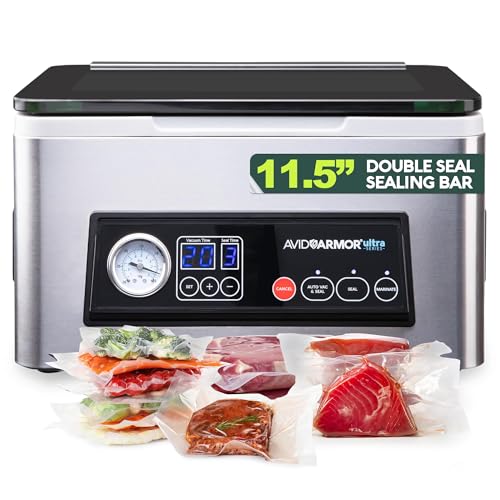
Avid Armor USV20
The high-volume chamber machine for households packaging whole runs at once.
$349.00 from AmazonCommon Mistakes
Freeze-drying the meat raw because the store treats are raw. The CDC’s position covers exactly this product: it does not recommend raw pet treats, and freeze-drying raw protein only reduces germs without killing all of them. Cook first — the treat is the same shape with the risk removed.
Handling raw meat for treats casually. Until it is cooked, treat meat follows raw-meat rules for people: separate boards and utensils, washed hands and surfaces. The CDC warns the germs in raw meat can spread around the kitchen and make the family sick — the dog is not the only one exposed.
Guessing the cook temperature. 160°F for meat and 165°F for poultry are thermometer figures. Color is not a measurement; the thermometer is.
Seasoning the batch. Treats are plain meat. Seasoning blends are made for people, and this page makes no claims for added ingredients — the sources support meat, cooked and dried, and nothing beyond it.
Bagging a soft-centered batch. A treat that feels dry outside and cool inside will spoil in the bag. Break the thickest piece; the center check is the whole quality system.
Storage and Shelf Life
Utah State Extension states that freeze-dried foods can remain safe and stable for 10 to 15 years — sometimes up to 25 — in airtight, moisture-proof packaging kept cool, dark, and dry, and recommends consuming home freeze-dried products within 5 to 10 years for quality. Harvest Right’s storage guidance adds that vacuum-sealed plastic bags are not recommended for meats or high-protein foods, which is why these treats go in Mylar with an absorber — and that once a container is opened, its oxygen absorber no longer works and should be replaced before resealing. Date every bag, keep the working container sealed between servings, and discard any batch that smells off or feels soft: the dryness that made it shelf-stable is the thing to protect.
Viewers also searched for these items.

IRIS USA Airtight Container, 30 lb, with Wheels
A 30 lb airtight container keeps treat bags dry and out of a determined dog's reach in the pantry.
$23.99 from Amazon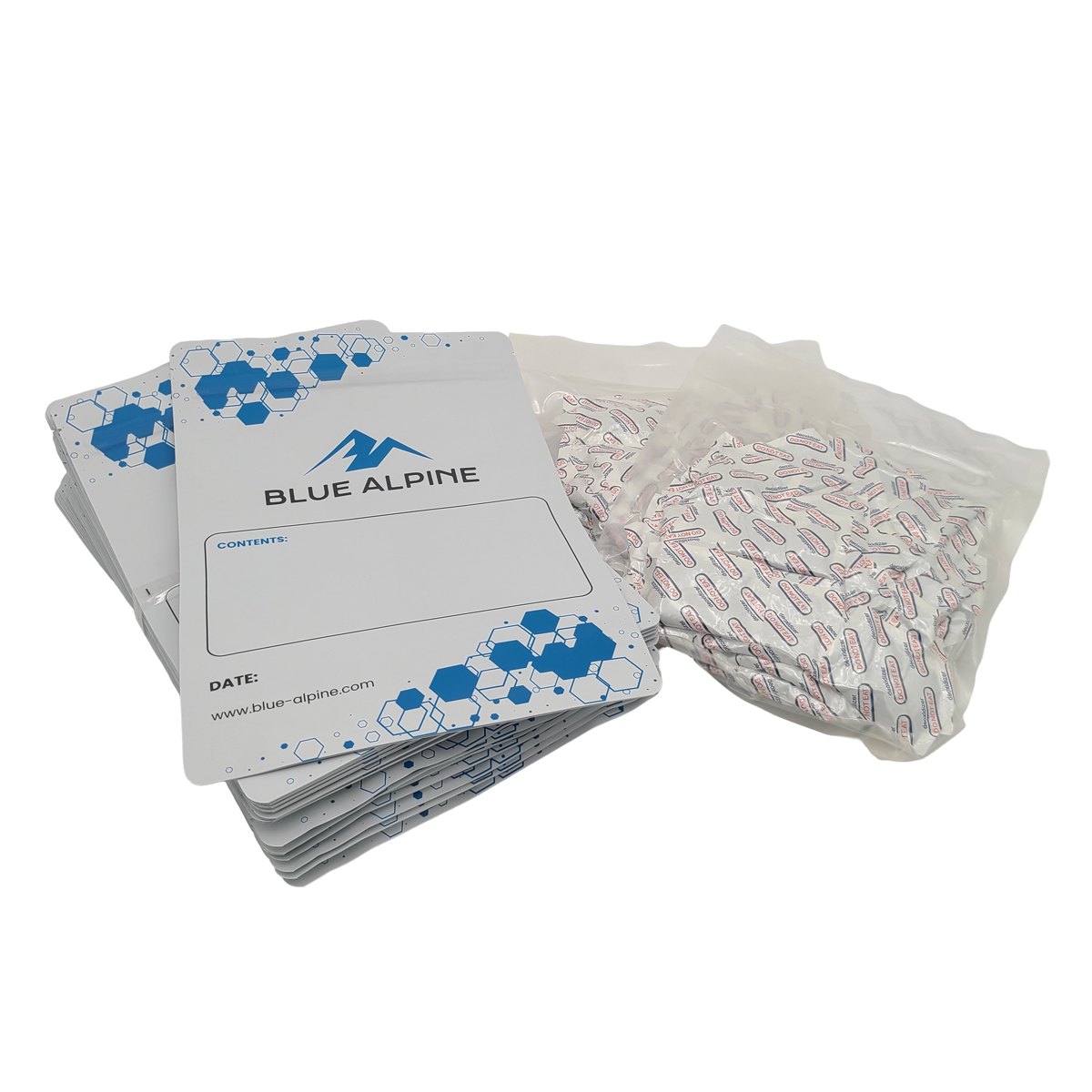
Blue Alpine Mylar Bags with Oxygen Absorbers
The maker's Mylar bags with absorbers - Harvest Right advises against vacuum bags for high-protein foods, so treats go in Mylar.
Check the price
Metronic 8-Inch Impulse Sealer
An impulse sealer closes treat bags cleanly at the end of a batch.
$39.99 from AmazonFrequently Asked Questions
Can I make freeze-dried treats from raw meat?
The sources say not to feed them. The CDC does not recommend feeding raw pet food or treats to dogs and cats, and states that freeze-drying raw protein only reduces the amount of germs and does not kill all of them. This guide cooks the meat first, to the extension temperatures.
Are homemade freeze-dried treats healthier for my dog?
This page makes no health claims beyond what the sources state. What the sources support is narrower: cooked meat, handled cleanly and dried completely, avoids the raw-pet-food risk the CDC and AVMA describe. Questions about your own dog’s diet belong to your veterinarian.
What meats work for treats?
Lean, cooked meat and poultry, trimmed of bone and fat and cut no thicker than about 3/4 inch, per the makers’ and extension guidance. Cook meat to 160°F and poultry to 165°F before drying.
How long do the treats keep?
Sealed in Mylar with an oxygen absorber and stored cool, dark, and dry, they sit under the extension’s general freeze-dried figures — 10 to 15 years of stability, with home products recommended for use within 5 to 10 years for quality. In practice, rotate them like any homemade food and reseal with a fresh absorber after opening.
Pet-food safety: CDC, “About Pet Food Safety,” via CDC Healthy Pets; cook temperatures, thickness, packaging, and shelf-life figures: Utah State University Extension, “Can I Freeze-Dry That? A Practical Guide to Safe and Effective Freeze-Drying,” via Utah State University Extension; meat handling: Harvest Right, “Guide to Freeze Drying.”
Prices shown on this page were last checked November 26, 2026 — prices change; check before you buy.
Talk it over with other readers
The Truly Preserved Community on Facebook is where readers compare notes on food storage, water, and backup power — and where your questions help decide what we research next.