
Truly Preserved is reader-supported. If you buy through a link on this page we may earn a commission at no extra cost to you. Nobody pays for placement or scores.
THE SHORT ANSWER
“Unable to achieve vacuum” is the machine protecting its pump: at the start of the drying phase it gives itself two deadlines — under 2,500 mTorr within 15 minutes, then under 1,000 mTorr within 30 — and stops when it misses them. The cause is almost never a broken machine. It is one of five owner-level things, in this order: the drain valve is not fully closed, the door gasket is not seating, the pump is not plugged into the freeze dryer itself (or is switched off), a vacuum hose connection or its O-ring is leaking, or the pump oil is low or waterlogged. Work those five before you call anyone.
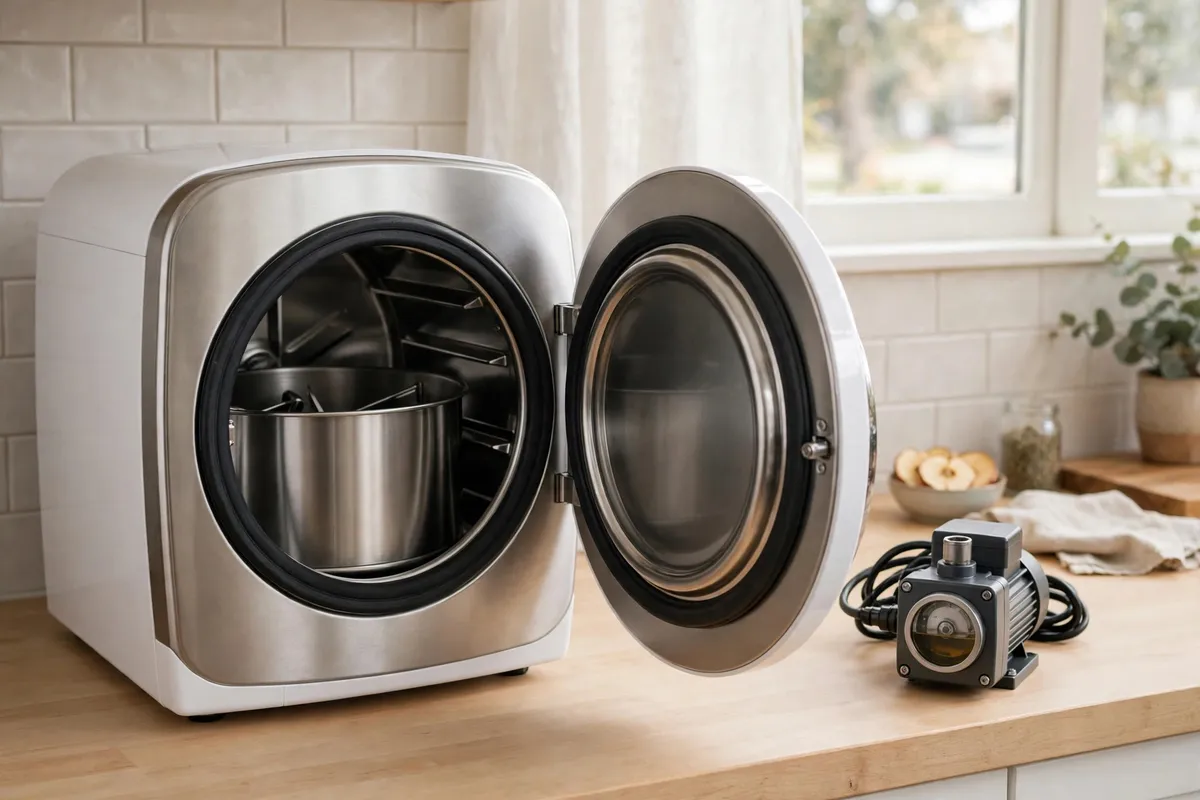
This is the error that greets new owners. In the freeze-drying groups it shows up on first bread runs, on machines a week old, and — with the new countertop machines landing in kitchens this fall — on first batches run by people who have never owned a vacuum pump. One owner watched her pressure fall to about 600 mTorr, then climb back to 1,300, and asked the group what the number was even supposed to do. Another spent a long thread hunting a leak that turned out to be a crimped hose line. What follows is built from Harvest Right’s own Troubleshooting Guide (Software Version 5.0) and Use & Care manual, which name this fault as Error #8, plus the checks in the guide’s Vacuum Error Checklist appendix. We work from research, not a repair bench: everything here is a check the maker publishes for owners, and the page stops where those stop.
The two deadlines the machine is watching
The error is not the machine being vague. Harvest Right’s manual states the fail-safes outright: once the vacuum phase starts, the freeze dryer has to get under 2,500 mTorr within 15 minutes and under 1,000 mTorr within 30 minutes. Miss either deadline and the screen appears, telling you to find the vacuum leak. Hit them and drying proceeds toward the working range — the manual’s setup test treats 500 mTorr or lower as adequate vacuum, and in a running batch the shelf heaters switch on at 500 mTorr and off at 600.

Robinair 13203 Vacuum Pump Oil
One of the three oils Harvest Right names as approved for its pumps. The quart is the right size for the standard pump's drain-filter-refill routine.
$16.79 from Amazon
JB Black Gold Pump Oil
The other named third-party oil on Harvest Right's approved list: an ISO 46, non-detergent formula. The gallon suits owners who change oil on the standard pump's short cycle.
$54.50 from Amazon| Reading | Time | What it means |
|---|---|---|
| Under 2,500 mTorr | Within 15 minutes | First fail-safe passed — the seal is basically holding |
| Under 1,000 mTorr | Within 30 minutes | Second fail-safe passed — no error screen |
| 500 mTorr or lower | Setup test / drying | Adequate vacuum; heaters cycle between 500 and 600 mTorr |
That is also the answer to the owner whose gauge fell and then climbed: a healthy start falls through both deadlines and keeps falling. A number that drops partway and rises again is air getting in — or vapor coming off a wet chamber — faster than the pump can remove it. The five checks below are ordered the way the failures actually stack up: free and common first, parts last.
The five checks, in order
- Close the drain valve — all the way. The Troubleshooting Guide heads Error #8 with this in parentheses: “make sure Drain Valve is completely closed.” A valve left cracked from the last defrost is the single most common cause, and it costs nothing to rule out. Turn it until it stops, not until it feels close.
- Seat the door gasket, and clean the rim it seals against. The guide’s wording: the door latch securely closed, with “no impediments between the door and the door gasket.” Wipe the gasket and the chamber rim — a crumb, a strand of food, or grit on either surface is a leak path. Then look at the seal itself: the guide’s Vacuum Error Checklist says a thin seal ring should be visible around the gasket when the door is closed. No even ring, no seal. Owners of older machines often find the gasket has pushed too far onto its seat; pulling it back out slightly — one owner reports a quarter inch at the top — restores the contact line.
- Plug the pump into the freeze dryer, and switch it on. The pump’s cord goes into the back of the freeze dryer, not a wall outlet — the machine switches the pump itself, and a pump plugged into the wall (or not switched on at its own switch) is a pump the dryer cannot run on schedule. This is the guide’s first listed check for Error #8, and it embarrasses somebody every week.
- Tighten the vacuum hose at both ends, and check its O-ring. Hose connections at the freeze dryer and at the pump, both snug. The guide’s checklist names the hose O-rings specifically: an O-ring that is unseated, nicked, or carrying a bit of debris leaks exactly like a loose fitting. The owner’s manual makes the same point about the hose connection — anything trapped against the O-ring breaks the seal it is there to make.
- Read the pump’s sight glass. Two things to see: level and condition. The guide’s checklist calls for oil that is new — read: clean — and filled to the middle of the sight glass. Oil that has gone cloudy or milky has water in it, and waterlogged oil will not pull a deep vacuum no matter how well everything else seals. If the oil is the problem, the fix is on our companion page: do you have to buy oil from Harvest Right?
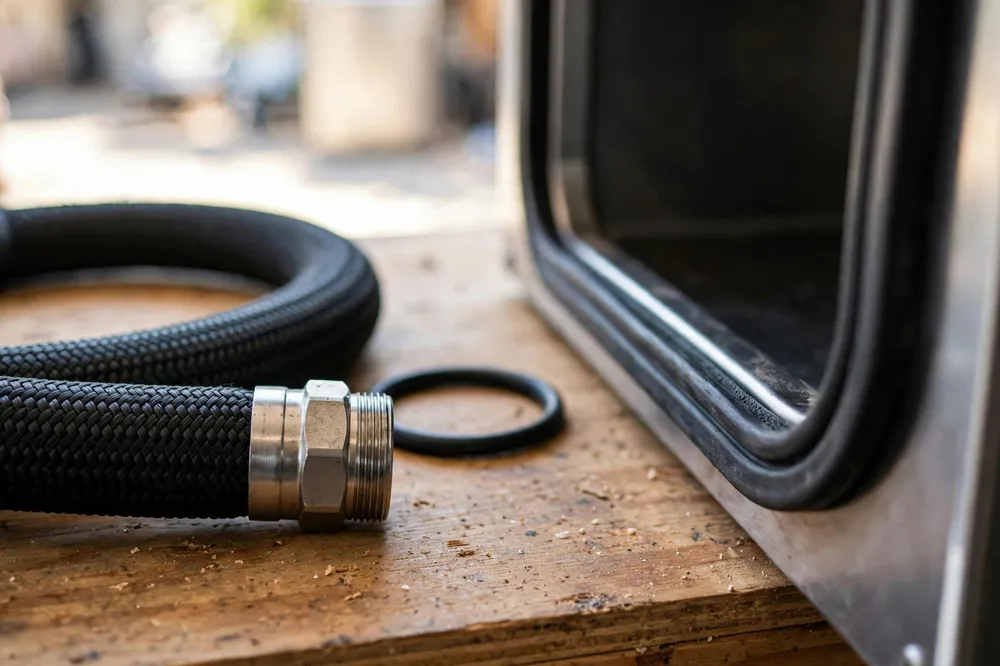
Prove it before you load food: the vacuum test
Harvest Right’s manual builds the test into setup, and the Troubleshooting Guide’s third appendix is a full vacuum test. Run it empty. Close the drain valve, latch the door, and start the pump. Within about 30 seconds the door should resist opening; by a minute in, vacuum should be holding it shut. The manual’s pass mark is the pressure reaching 500 mTorr or lower. A machine that passes empty will seal loaded. A machine that fails empty has told you the problem is in the five checks, not in your food — and you learned it without a batch in the chamber.
If the seal ring is uneven after all five checks, the door itself may be out of adjustment. Harvest Right publishes a door adjustment procedure — hinge studs set so the gasket contact line develops evenly around the door, then a vacuum test: the door gets sucked in and the contact marks grow when the seal is right. That is the last owner-level step. Past it, you are diagnosing parts.

Etekcity Kitchen Scale
The weigh-back check that tells you a batch is actually done — the same check that tells you whether the pump oil really needs changing yet.
$9.99 from Amazon
COSORI Dehydrator
A fruit roll sheet in the box, temperature set to the degree, and a 48-hour timer that ends the batch before it over-dries.
$135.99 from Amazon
Sour Patch Kids (5 lb)
The bulk bag is the economical way to run candy mode: sour gummies sit squarely in the low-fat, high-sugar family that puffs into crisp bites in the dryer, and five pounds fills a lot of trays.
$20.99 from AmazonWhen it’s the seal, when it’s the pump, when it’s the sensor
It’s the seal when the pump sounds strong, the pressure falls, and then it stalls or climbs — air entering at the door, the drain valve, or a hose joint as fast as the pump removes it. The seal ring tells on the door: uneven or missing on one side means that side is leaking. Work checks 1, 2, and 4 again, slowly.
It’s the pump when the seal proves out on the empty test but the pressure still will not pull down — or when the sight glass shows cloudy oil, a low level, or grit. The guide treats a vacuum that “won’t pull low enough” (its Error #9) and a mid-batch vacuum failure (Error #10) as pump problems once the drain valve is ruled out, and its instruction for a mid-batch failure is blunt: take the food out, put it in your freezer, defrost the chamber and dry it out, pull the shelf unit, and run the vacuum test. Wet ice left in the chamber loads the pump with vapor and mimics a pump fault, which is why the defrost comes before the verdict.
It’s the sensor when the machine insists there is no vacuum while the evidence says otherwise. The guide’s own tell: if you can see by the thick ring around the door gasket that the pump is pulling a strong vacuum — door sucked in, seal compressed — but the readings disagree, suspect the vacuum sensor and call Harvest Right Support (800-865-5584). One cousin of this fault needs no parts at all: pressing Start while the chamber is still under vacuum from the previous operation triggers a Vacuum Sensor Error, and the cure is to open the drain valve to release the pressure and power the machine off and back on. If that error survives a power cycle with the chamber at room pressure, the guide sends you to a replacement sensor.


Blue Alpine Medium Select
Higher cooling capacity shortens batch times, and owners praise the customer service. Up to 15 lbs per batch — the fastest route from harvest to a shelf that lasts decades. Use code TRULYPRESERVED at checkout for 3% off.
Check the price
COOQUI 12-Inch Tortilla Warmer
An insulated fabric warmer sized for full-size flour tortillas. Thirty to forty-five seconds in the microwave and it holds the stack warm and soft for up to an hour at the table.
$19.99 from AmazonParts and consumables that actually fix this
When a check fails, what it usually asks for is oil, not a service call — a gasket is bought from Harvest Right or its dealers by machine size (Small through X-Large are different gaskets, and size matters more than brand here), so we link the two consumables we can point to exactly. Both oils are on Harvest Right’s own approved list for its pumps; our pump oil page explains the list and the one popular oil Harvest Right says to keep out of its Premier pump.
Prices checked November 3, 2026.
Questions people also ask
My machine is brand new and failed its first bread run. Is it broken?
Almost certainly not. A first-run vacuum failure is nearly always a setup miss — the pump cord in a wall outlet instead of the back of the dryer, the drain valve left open after unboxing, oil not yet at the sight-glass line, or a gasket that needs its first proper seating. Run the empty vacuum test from the manual before the second batch: 500 mTorr or lower, door held shut by vacuum alone, and the machine has proven itself.
Can I press Continue once the error appears?
Yes — that is what it is for. The manual’s sequence is: find the leak, seal it, then press Continue to return to where the process was interrupted. Pressing Continue without fixing anything just restarts the two deadlines against the same leak.
The food was mid-batch when vacuum failed. Is it ruined?
Not by the failure itself. Harvest Right’s instruction for a mid-batch vacuum failure is to move the food to your freezer while you dry the chamber out and test. From there the standard rules apply — food that stayed at 40°F or below, or still holds ice crystals, goes back in the freezer safely; perishable food that sat above 40°F for more than two hours gets discarded. Our mid-batch failure page covers the heater-side version of this call.
What if the machine runs but never gets cold at all?
That is a different fault wearing similar clothes. A normal screen, working heaters, and silence from the machine body point at the refrigeration side, not the vacuum side — it has its own page: why is my freeze dryer running but silent and not freezing?
Related questions
- Do you have to buy oil from Harvest Right?
- Why did my freeze dryer fail mid-batch?
- Why is my freeze dryer running but silent and not freezing?
- Harvest Right freeze dryer sizes compared
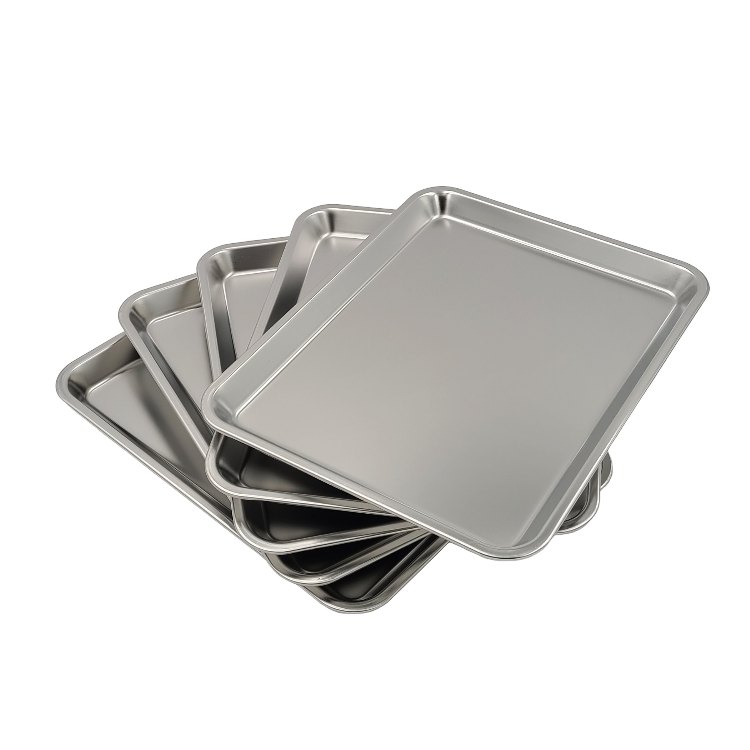
Blue Alpine Freeze Dryer Trays, Medium
Extra trays let you prep the next load while a batch runs — and a tested spare set rules out a warped tray when a run misbehaves. Use code TRULYPRESERVED at checkout for 10% off.
$66.71 from Blue Alpine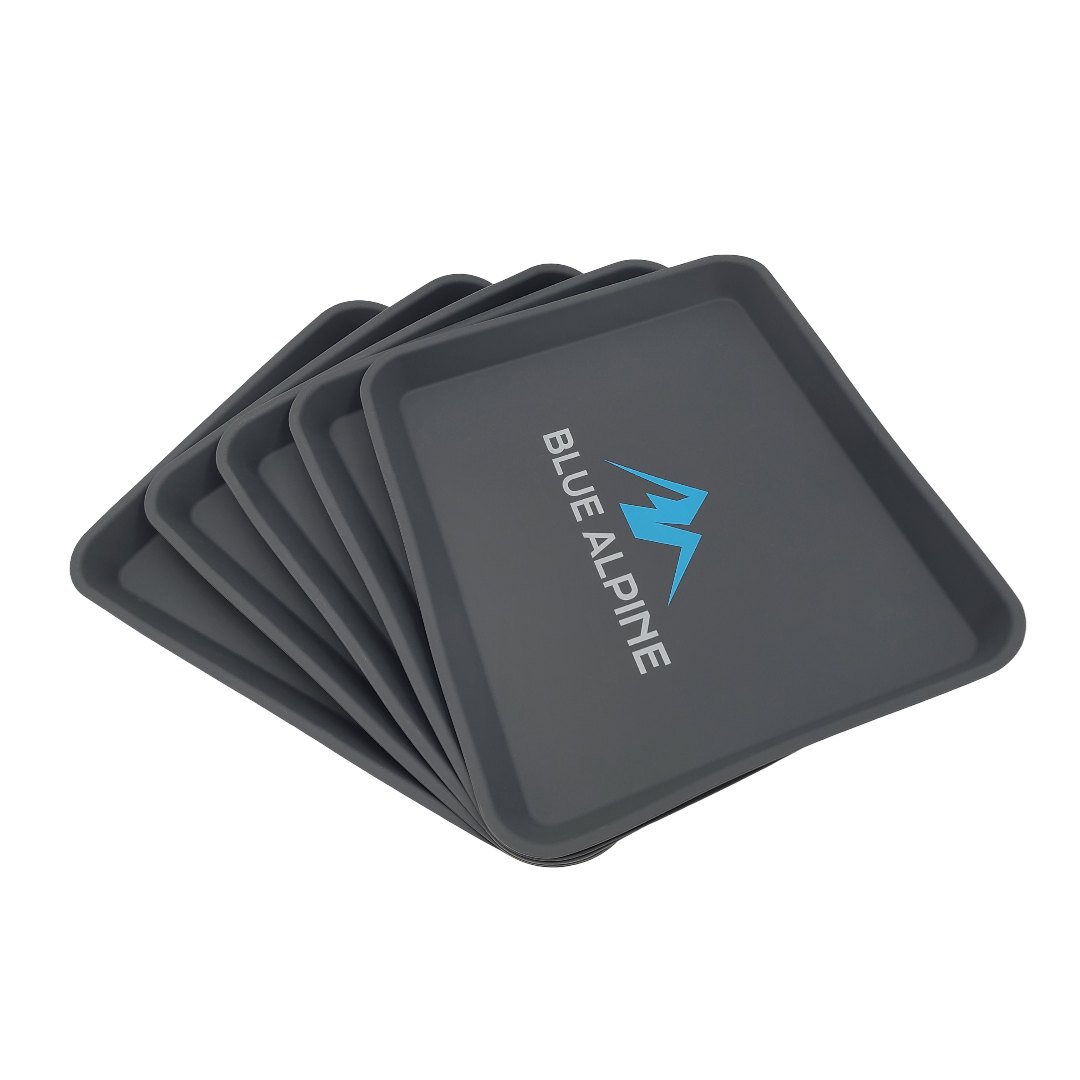
Blue Alpine Silicone Mats, Medium
Silicone tray liners keep sticky foods from bonding to the tray, so a rescued batch comes off clean instead of tearing. Use code TRULYPRESERVED at checkout for 10% off.
$29.08 from Blue Alpine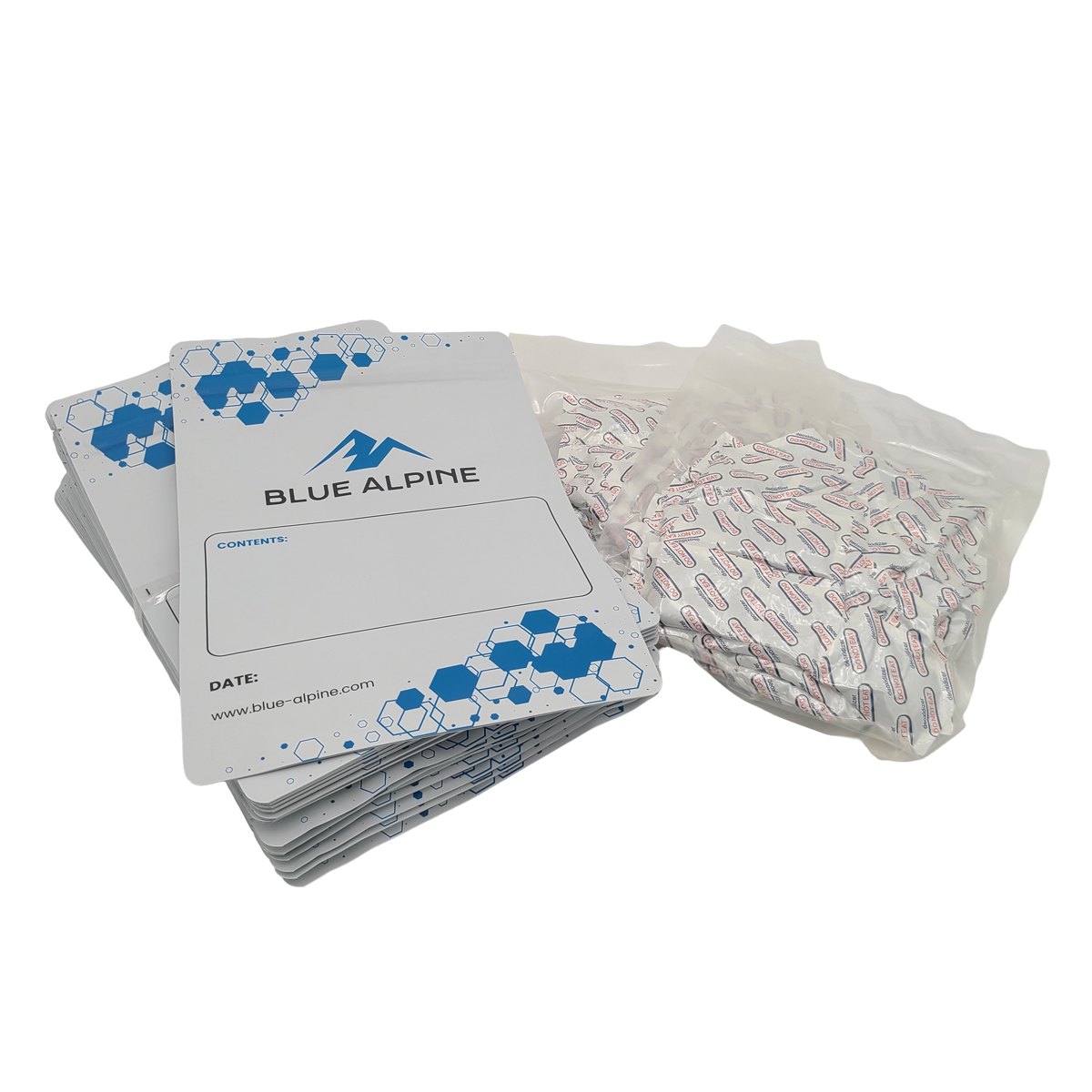
Blue Alpine Mylar Bags with Oxygen Absorbers
Once a batch finally completes, mylar bags with absorbers are how the food gets sealed for storage instead of sitting out. Use code TRULYPRESERVED at checkout for 10% off.
$32.39 from Blue AlpineThis question sits in What People Are Asking About Freeze-Dried Food — the full list of freeze-dried questions from real forums, each with a short answer.
Viewers also searched for these items.

Ball Regular Mouth Lids (96)
Fresh lids for seed moved into jars — a reused lid's seal is the weak point of the whole jar.
$36.99 from Amazon
Millennium Energy Bars (SOS Food Lab)
Nine real flavors and the only bar here people call genuinely good. Single 400-calorie bars made for go-bags and school kits.
$19.99 from Amazon
Prices shown on this page were last checked November 26, 2026 — prices change; check before you buy.
Talk it over with other readers
The Truly Preserved Community on Facebook is where readers compare notes on food storage, water, and backup power — and where your questions help decide what we research next.