
Truly Preserved is reader-supported. If you buy through a link on this page we may earn a commission at no extra cost to you. Nobody pays for placement or scores.
THE SHORT ANSWER
Freeze-dried bananas are a slice-and-run batch with published maker settings. Blue Alpine’s own fruit guide gives bananas directly: slice into 3/4 inch chunks, at 900–1100 mTorr pressure and a shelf temperature of 105–110°F, with a drying time of 16 hours, or the maker’s generic fruit recipe — those are Blue Alpine’s published settings for its machines, printed here as the maker states them. Harvest Right adds the handling detail: banana slices can stick to the trays, and slices at least half an inch thick come off easily, with parchment paper or silicone mats as the other fix. Finish with the extension dryness check — crisp, dry, or brittle, no cold or soft spots — and seal at once in thick Mylar (5 to 7 mil, no clear windows) with an oxygen absorber. Every figure on this page comes from the maker and extension guidance credited at the bottom.
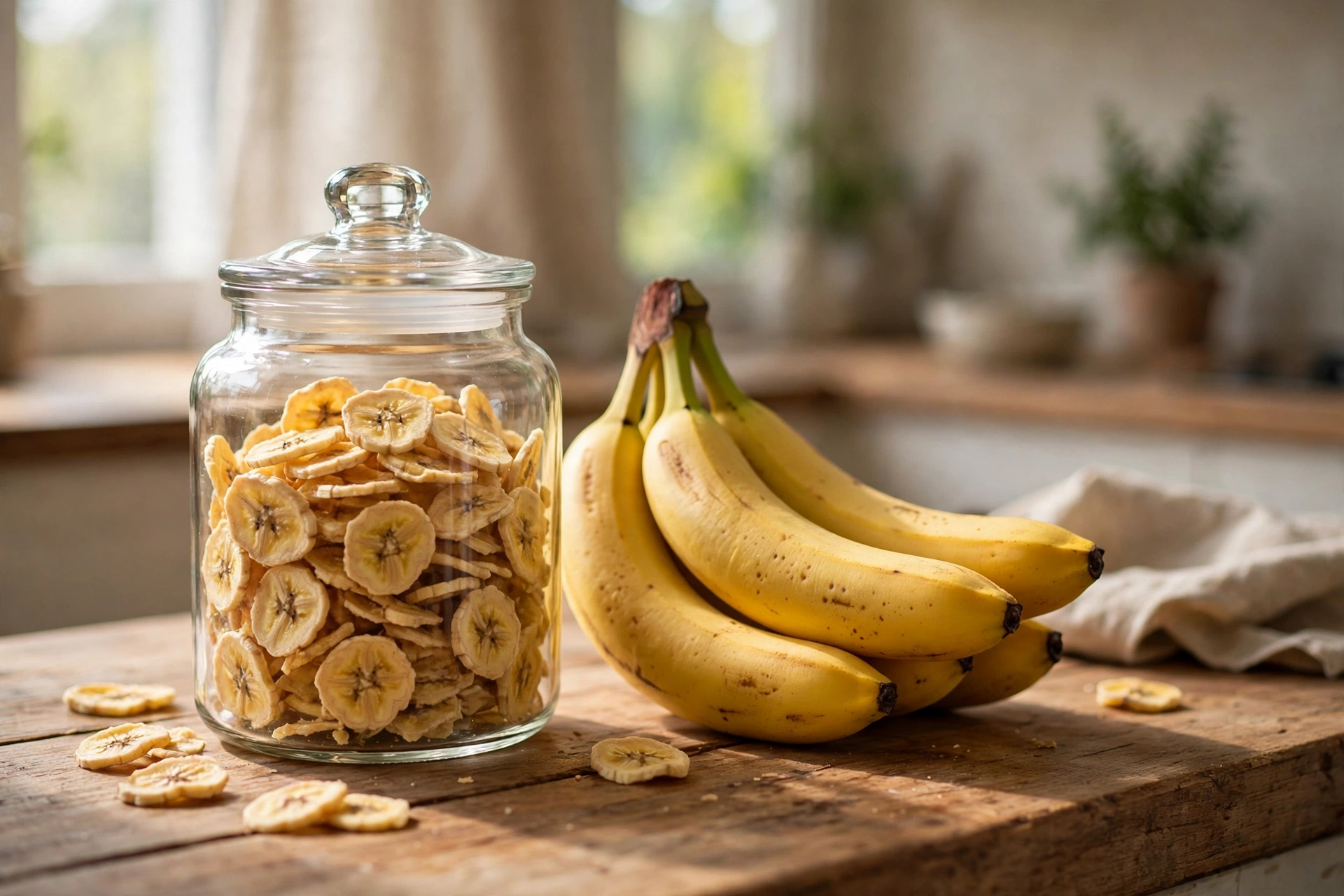
Bananas are the freeze-dried snack people reach for first — sweet without added sugar, crunchy straight from the bag, and happy to crumble into oatmeal, smoothies, and baking. They are also the beginner’s banana: cheap in bunches, ripe all at once, and unforgiving of delay. The freeze dryer turns the bunch you cannot finish into a pantry snack, and this is one of the few foods where a maker publishes the full setting line — pressure, shelf temperature, and drying time — in its own guide.
This guide follows Blue Alpine’s published fruit guidance for the settings, Harvest Right’s guide for tray handling, and Utah State University Extension for the dryness check, packaging, and storage. It is part of our preservation guides. The two makers’ machines are compared in Blue Alpine vs. Harvest Right, how a freeze dryer works explains the cycle behind the settings, and how to freeze-dry milk is this series’ flagship liquid batch.
What You Need
Ripe bananas — Blue Alpine’s fruit guide works from load sizes of 8–10 lbs for its medium machines and 16–20 lbs for its large ones, and notes bananas are a delicate fruit in its toughness rating. Trays that fit your machine, silicone mats or parchment for the trays, thick Mylar bags (5 to 7 mil, without clear plastic windows, per Utah State), oxygen absorbers, and a way to seal the bags. Extension guidance for fruit adds one prep step: pretreat with ascorbic acid or lemon juice to prevent browning, if the pale color matters to you.
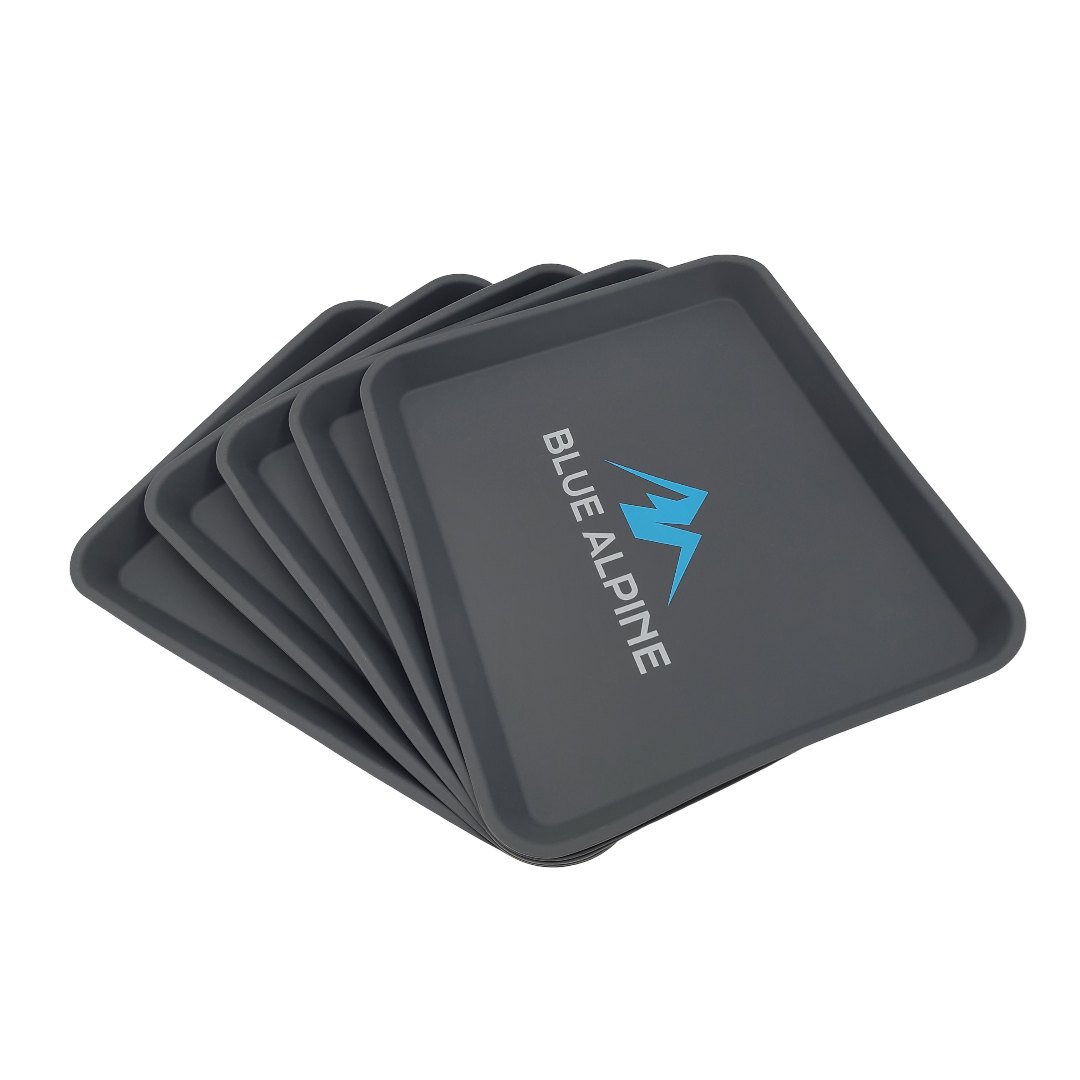
Blue Alpine Silicone Mats, Medium
Harvest Right names banana slices among the sugary foods that stick to trays - a silicone mat is the maker's own fix.
$29.08 from Blue Alpine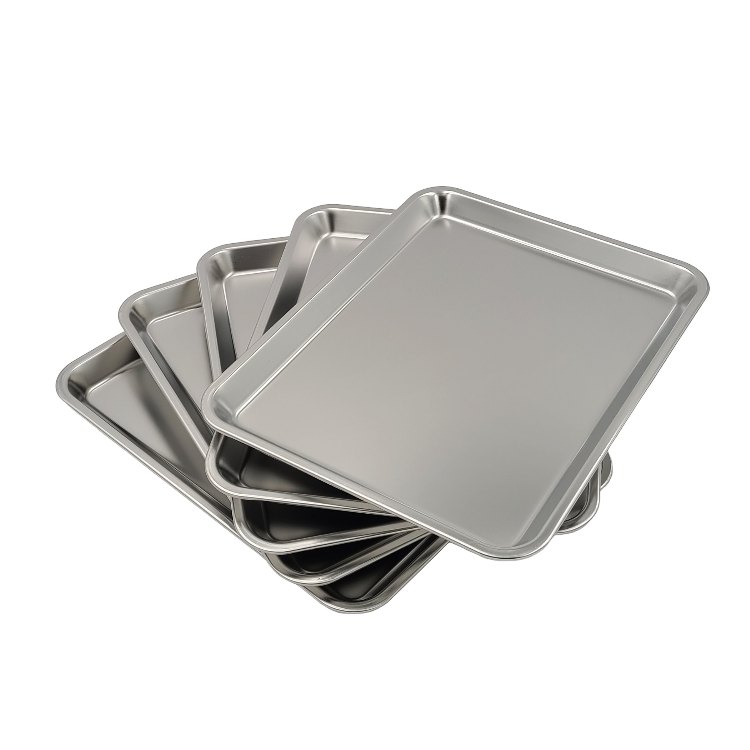
Blue Alpine Freeze Dryer Trays, Medium
A second tray set lets the next bunch pre-freeze while the current batch runs, which matters when bananas ripen all at once.
$66.71 from Blue Alpine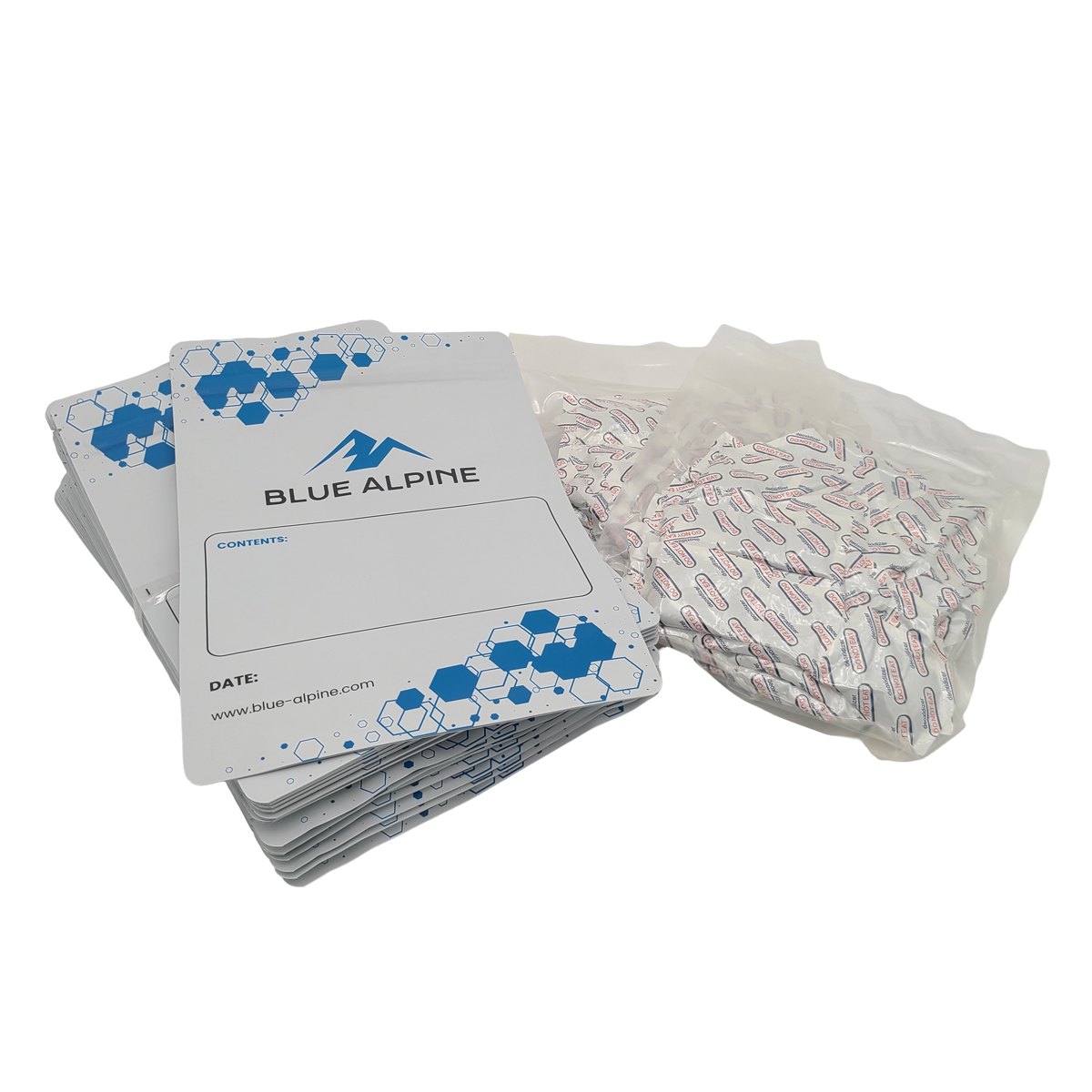
Blue Alpine Mylar Bags with Oxygen Absorbers
The maker's Mylar bags with absorbers - banana slices go leathery fast in a poor bag, and this is the long-term package.
$32.39 from Blue AlpineBefore You Start
Two decisions before the trays load. First, slice thickness: Blue Alpine’s banana line says slice into 3/4 inch chunks, and Harvest Right’s tray guidance says slices at least half an inch thick come off the trays easily — the two makers agree that this is not a food to shave thin. Keep the slices in the extension range for most foods, between 1/4 and 1/2 inch at the thin end, and uniform, so the batch dries evenly. Second, pre-freeze: extension guidance recommends pre-freezing foods in your freezer before loading, and Blue Alpine’s fruit guidance adds that if you pre-freeze, you run the machine’s refrigeration for 30–45 minutes first — its rule is cold food, on a cold tray, in a cold chamber.
How to Freeze-Dry Bananas, Step by Step
- Peel and slice. Peel ripe bananas and slice them into 3/4 inch chunks, per Blue Alpine’s published banana guidance. Uniform slices dry uniformly.
- Pretreat if you want the color. A brief toss in ascorbic acid or lemon juice prevents browning, per extension guidance for fruit. It is a color step, not a safety step.
- Line and load the trays. Lay silicone mats or parchment on the trays — Harvest Right names banana slices among the sugary foods that can stick — and arrange the slices in a single layer with space between pieces, per extension guidance.
- Pre-freeze if you can. Freeze the trays solid in your household freezer. If you pre-freeze on a Blue Alpine, run the machine’s refrigeration for 30–45 minutes before loading, per the maker’s fruit guidance.
- Set the maker’s banana settings, or the fruit recipe. On a Blue Alpine: 900–1100 mTorr, shelf temperature 105–110°F, drying time 16 hours, or the generic fruit recipe. On other machines, run the standard fruit cycle and let the machine’s sensors finish the job.
- Check for dryness the extension way. The slices should feel crisp, dry, or brittle, with no cold or soft spots. Break the thickest slice and check the center — sugar holds onto water and prolongs drying, per extension guidance, so a chewy center goes back for more dry time.
- Package immediately. Fill thick Mylar bags, add an oxygen absorber to each, and seal at once. Finished slices left out begin to rehydrate from moisture in the air and turn leathery.
- Store cool, dark, and dry, with the date on every bag.
The Numbers: Maker Settings for Bananas
Blue Alpine publishes a settings table for fruit in its own guide — the exception to the usual rule that makers publish no per-food figures. Its banana row is printed exactly as the maker states it, alongside its generic fruit defaults and the extension checks every batch still has to pass.
| Checkpoint | The figure | Source |
|---|---|---|
| Bananas — slice | 3/4 inch chunks | Blue Alpine |
| Bananas — load size | Medium: 8–10 lbs; Large: 16–20 lbs | Blue Alpine |
| Bananas — pressure | 900–1100 mTorr | Blue Alpine |
| Bananas — shelf temperature | 105–110°F | Blue Alpine |
| Bananas — drying time | 16 hours, or fruit recipe | Blue Alpine |
| Generic fruit — freeze time default | 9 hours | Blue Alpine |
| Generic fruit — dry time default | 24 hours | Blue Alpine |
| Generic fruit — dry temp default | 115°F | Blue Alpine |
| Generic fruit — pressure default | 1095 mTorr | Blue Alpine |
| Pre-frozen load — run refrigeration first | 30–45 minutes | Blue Alpine |
| Dryness test | Crisp, dry, or brittle — no cold or soft spots | Utah State Extension |
| Packaging | Mylar 5–7 mil, no windows, plus oxygen absorber | Utah State Extension |
| Stability, properly packaged | 10–15 years, sometimes up to 25 | Utah State Extension |
| Recommended use window, home freeze-dried | 5–10 years for quality | Utah State Extension |
One caution on the 16 hours: it is Blue Alpine’s published drying-time setting for its own machines and load sizes, not a promise for every machine and every tray. Blue Alpine separately describes sliced bananas among fruits at 24 to 30 hours for a full cycle, freeze phase included. The setting starts the batch; the dryness check finishes it.
Bananas dry two ways in a preserving kitchen. The share of the bunch that does not go in the freeze dryer makes fine dehydrated chips, and these are the two dehydrators that side of the job runs on.

Blue Alpine Medium Select
The Blue Alpine medium machine whose maker's published guidance this series draws on, sized for family dessert batches.
Check the price
JB Black Gold Pump Oil
Pump oil is a consumable, not an accessory — a spare bottle on the shelf means an oil change never waits on shipping mid-season.
$54.50 from AmazonCommon Mistakes
Slicing too thin. Paper-thin banana slices weld themselves to bare trays and dry harsh at the edges. Both makers point the same way — 3/4 inch chunks from Blue Alpine, at least half an inch from Harvest Right — and a mat under the slices ends the sticking.
Crowding the tray. Extension guidance is a single layer with space between pieces. Overlapping slices dry as a mat with damp pockets.
Stopping at the setting’s hour. The 16-hour figure is a machine setting, not a dryness verdict. High-sugar foods hold onto water, per extension guidance; the center check on the thickest slice is the verdict.
Slow bagging. Banana slices are hygroscopic — left on the counter they pull moisture from the air and go leathery within the hour. Seal while they are still crisp.
Skipping the pretreat, then blaming the machine. Browned slices are a color issue the makers and extension both anticipate: ascorbic acid or lemon juice before drying keeps them pale.
Storage and Shelf Life
Utah State Extension states that freeze-dried foods can remain safe and stable for 10 to 15 years — sometimes up to 25 — in airtight, moisture-proof packaging kept cool, dark, and dry, and recommends consuming home freeze-dried products within 5 to 10 years for quality. Banana slices are a snack food in most houses and will not test those limits; what matters is the seal. Once a bag is opened, its oxygen absorber no longer works and should be replaced before resealing, per Harvest Right’s storage guidance. Date every bag and rotate.
Viewers also searched for these items.

Sukerle 5-Gallon Mylar Bags with Oxygen Absorbers
Mylar bags with the oxygen absorbers included — the finished bananas get sealed into these for the shelf.
$42.99 from Amazon
Metronic 8-Inch Impulse Sealer
An impulse sealer closes Mylar bags of slices while they are still crisp from the machine.
$39.99 from Amazon
IRIS USA Airtight Container, 30 lb, with Wheels
A 30 lb airtight container keeps opened bags of banana snacks dry between servings.
$23.99 from AmazonFrequently Asked Questions
What settings do I use for bananas?
On a Blue Alpine, the maker’s published banana line: slice into 3/4 inch chunks, 900–1100 mTorr, shelf temperature 105–110°F, drying time 16 hours or the generic fruit recipe. On other machines, run the fruit cycle and finish by the dryness check.
Why did my banana slices stick to the tray?
Sugar. Harvest Right names banana slices among the sugary foods that can stick, and gives two fixes: slices at least half an inch thick, or parchment paper or silicone mats on the trays.
Do freeze-dried bananas need rehydrating?
No. They are eaten dry as a snack, or dropped into oatmeal, cereal, and smoothies, where they take up liquid on their own — Harvest Right’s breakfast guidance uses freeze-dried fruit exactly that way.
How ripe should the bananas be?
Ripe enough to eat — the flavor going in is the flavor that stays, since freeze-drying removes water, not character. Blue Alpine notes fresh fruit freeze-dries better than store-bought prefrozen fruit, which can shrivel more.
Settings and load figures: Blue Alpine, “How Do You Freeze Dry Fruits, Berries, and Melons?” via Blue Alpine’s published fruit guide; tray handling: Harvest Right, “Guide to Freeze Drying”; dryness, packaging, and shelf-life figures: Utah State University Extension, “Can I Freeze-Dry That? A Practical Guide to Safe and Effective Freeze-Drying.”
Prices shown on this page were last checked November 26, 2026 — prices change; check before you buy.
Talk it over with other readers
The Truly Preserved Community on Facebook is where readers compare notes on food storage, water, and backup power — and where your questions help decide what we research next.