
Truly Preserved is reader-supported. If you buy through a link on this page we may earn a commission at no extra cost to you. Nobody pays for placement or scores.
THE SHORT ANSWER
Refrigerated food stays safe for about 4 hours in a closed refrigerator during a power outage — that is the USDA’s figure, and the clock starts when the power stops, not when you notice. A full freezer holds a safe temperature for about 48 hours, and a half-full freezer for about 24 hours, as long as the doors stay closed. The deciding line is 40 degrees: perishable food — meat, poultry, fish, eggs, milk, soft cheese, leftovers, cut produce — that has sat above 40 degrees for more than 2 hours gets thrown out, and frozen food that still has ice crystals, or reads 40 degrees or below, can be safely refrozen. Never taste food to check it; the bacteria that matter change neither the taste nor the smell.
Every outage turns into the same kitchen argument: the power has been out since sometime in the night, nobody knows exactly when, and somebody is holding the milk up to the light like that settles it. It does not. The USDA’s Food Safety and Inspection Service publishes exact numbers for this moment — hours for the fridge, hours for the freezer, and one temperature that overrules the clock entirely — and this page is those numbers, in the order you need them while the house is dark. No product decides this question. A thermometer and a clock do.
How long does each appliance hold a safe temperature?
A closed refrigerator holds a safe temperature for about 4 hours; a closed freezer holds it for about 48 hours if full and about 24 hours if half full. Those are the USDA’s planning figures, and every one of them carries the same condition: the door stays closed. A refrigerator is a thinly insulated box that leaks its cold quickly, while a full freezer is a block of frozen food holding its own temperature — the food itself is the cold storage, which is why a full freezer outlasts a half-full one by a full day.
| Appliance, door closed | Holds safe temperature |
|---|---|
| Refrigerator | About 4 hours |
| Freezer, full | About 48 hours |
| Freezer, half full | About 24 hours |
The practical order falls straight out of that table: the fridge is the emergency and the freezer is the buffer. Anything in the fridge you cannot afford to lose should be eaten first, moved to a cooler on ice at the 4-hour mark, or — for the next outage — frozen ahead of time, since the USDA notes that perishables like milk, meat, and leftovers frozen before an outage have a better chance of staying cold and safe. Food grouped tightly together in the freezer holds cold longer than the same food spread out, and frozen water jugs filling the gaps turn empty air into more of that frozen block.
What does the 40-degree line actually decide?
The 40-degree line decides keep versus toss, and it overrules the clock. The USDA’s rule has two halves: perishable food held above 40 degrees for more than 2 hours is discarded, and food at 40 degrees or below is safe to keep — frozen food at that temperature, or still carrying ice crystals, is safe to refreeze, though its texture may suffer. That is why an appliance thermometer beats guessing from the outage duration: a fridge that never rose above 40 degrees keeps everything in it past the 4-hour mark, and a fridge in a hot kitchen that crossed 40 degrees early has a shorter real window than the headline number.
Keep a thermometer in each box in normal times — the refrigerator at 40 degrees or below, the freezer at 0 degrees or below — because after an outage there is no other honest way to know which side of the line you landed on. When there is no reading and no way to get one, the rule the USDA prints on its own charts applies: when in doubt, throw it out. Food poisoning costs more than a gallon of milk, and the discard decision is not close once you price a night of it against a fridge shelf of leftovers.
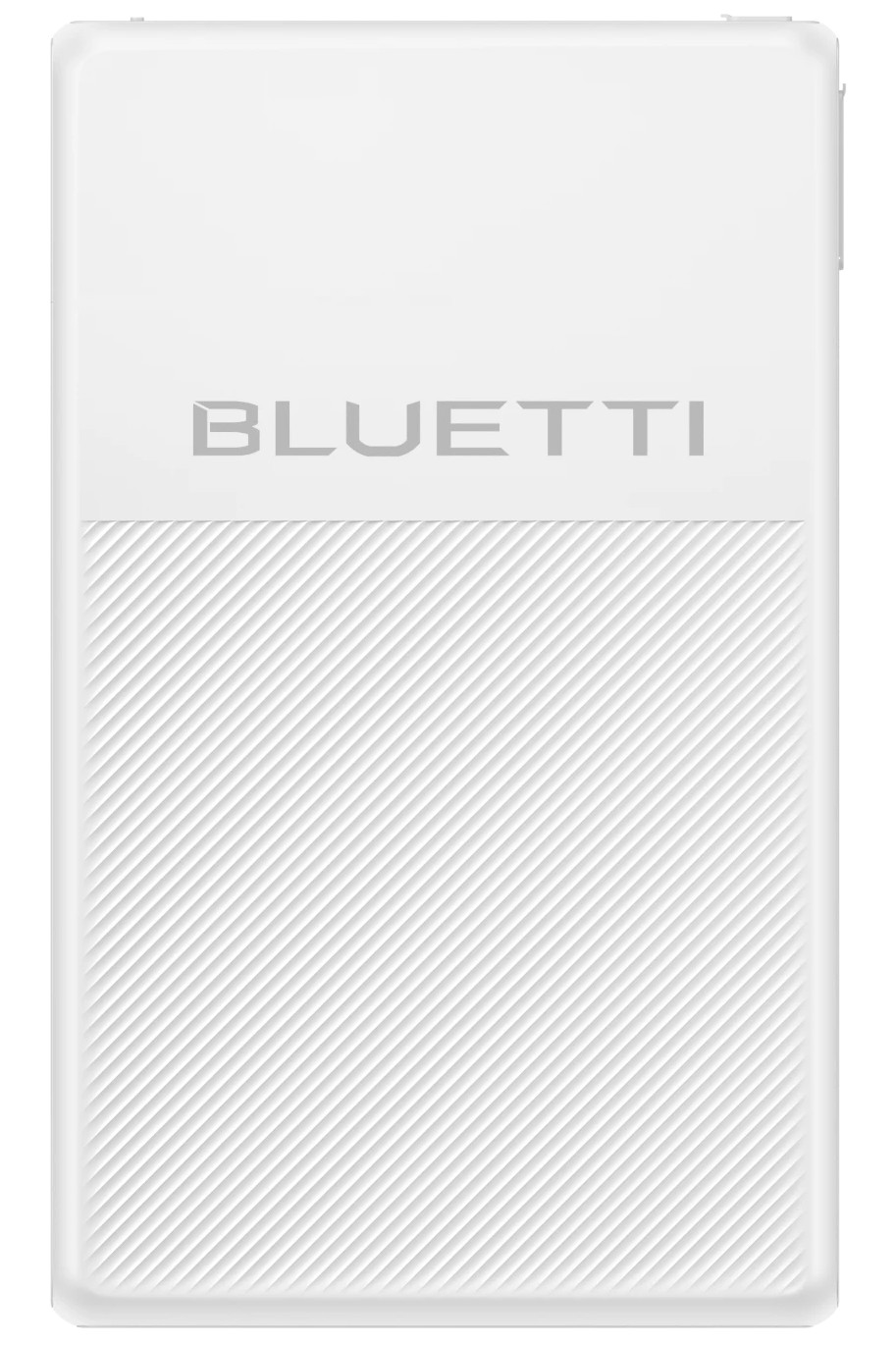
Bluetti FridgePower
The battery made to stretch the hours on this page — it watches the fridge and keeps it cold through an outage automatically.
$949 from Bluetti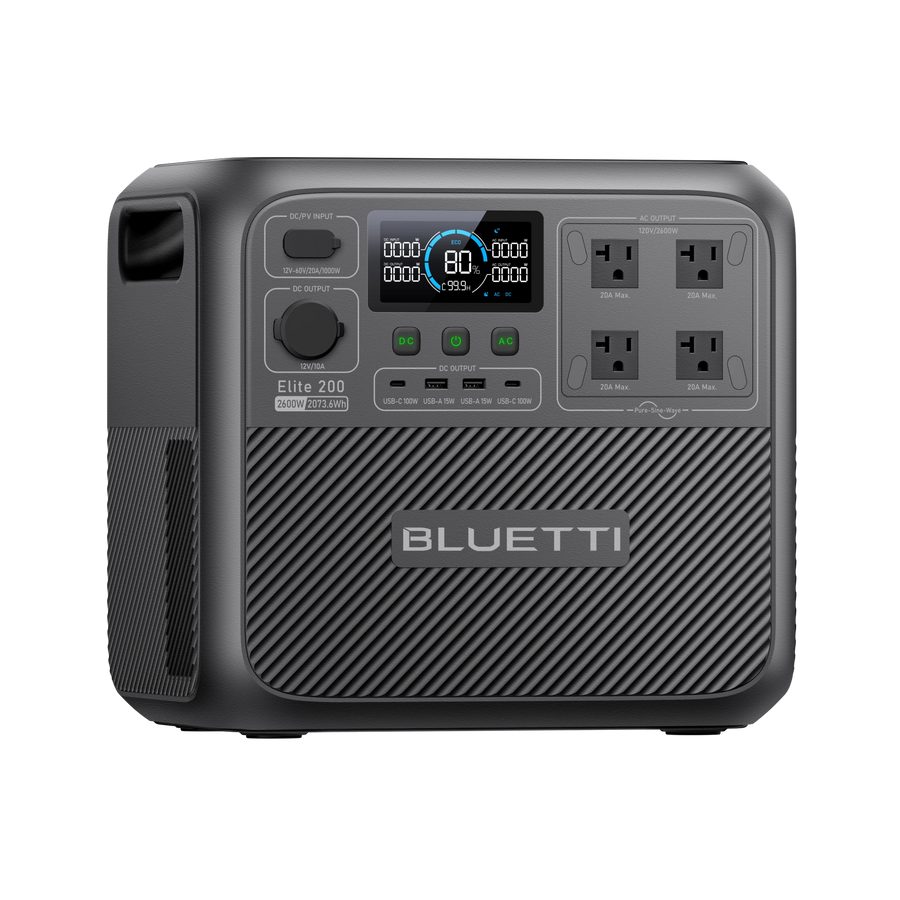
Score out of 10
Bluetti Elite 200 V2
The bigger hammer — our top-scored all-rounder for fridge plus everything else.
Check the priceWhat gets thrown out, and what honestly keeps?
After more than 2 hours above 40 degrees, the discard list is the perishables: raw or cooked meat, poultry, and seafood, lunchmeats and hot dogs, milk, cream, yogurt, and soft cheeses, eggs and egg dishes, cooked pasta, rice, and potatoes, casseroles, soups, stews, and cut fruit and vegetables. The keep list is shorter and sturdier than most people expect: hard cheeses like cheddar, Swiss, and Parmesan, processed cheese, butter, whole uncut produce, and breads and rolls without custard fillings keep under the FoodSafety.gov chart. The full per-food charts — refrigerated and frozen — are the tie-breaker for anything not named here, and they are worth opening on your phone while you sort, item by item.
| Food | Above 40°F for over 2 hours |
|---|---|
| Meat, poultry, seafood, lunchmeats | Discard |
| Milk, cream, yogurt, soft cheese | Discard |
| Eggs, leftovers, cooked pasta and rice | Discard |
| Cut fruit and vegetables | Discard |
| Hard cheese, butter, whole produce | Keep |
| Bread and rolls, no custard filling | Keep |
Two traps sit inside that table. The first is ice cream: in the freezer chart it is a discard in both columns — even with ice crystals — because it melts into a food that does not refreeze safely or well. The second is smell: the USDA says plainly to never taste food to determine its safety, and to discard anything with an unusual odor, color, or texture — but the reverse is not true. Food that smells fine can still have spent six hours in the bacterial growth zone, and the organisms that cause foodborne illness do not announce themselves. The thermometer and the 2-hour rule are the test; your nose is not.
How do I stretch the safe hours I have?
You stretch the safe hours by keeping the doors shut, moving fridge food to ice at 4 hours, and giving backup power to the fridge first. Every door opening trades cold air for warm room air, and the USDA’s guidance during an outage is blunt: keep appliance doors closed as much as possible. If the outage passes 4 hours and you have a cooler and ice, transfer the refrigerator’s perishables into it at 40 degrees or below — that move, made on time, is what saves the milk and the eggs while the freezer coasts untouched behind them.
Dry ice is the heavy tool for a long outage: the USDA’s figure is that 50 pounds of dry ice keeps a fully stocked 18-cubic-foot freezer cold for about two days. Use gloves, never bare hands, and never seal dry ice in an airtight container or an unventilated room. If you own a power station, spend it where the clock is shortest — the fridge’s 4 hours, not the full freezer’s 48. Our refrigerator runtime page works out how long each station size holds a fridge, our freezer runtime page does the same for the freezer, and the blackout checklist puts the whole sequence — doors, cooler, dry ice, battery order — on one page you can work from in the dark. Whether a chest or upright freezer waits longer on that battery is its own question, and the chest wins it.

Vegetable & Fruit Seeds
4.6 stars across roughly 14,600 Amazon ratings — the deepest owner record here — but the calorie crops are thin: 15 to 25 seeds of beans, peas, and pumpkin.
$28.99 from Amazon
Blue Alpine Medium Select
Faster cycles — 12 to 20 hours on Blue Alpine's figures — quarter-sheet trays, and silicone mats in the box. More machine than a first month needs; the one to read about before you buy twice. Use code TRULYPRESERVED at checkout.
Check the price
Avid Armor USV20
The chamber machine: soups, marinades and smooth cheap pouches — if it fits in an 11 x 10 pouch.
$349.00 from AmazonQuestions people also ask
Can I refreeze food that thawed during an outage?
Yes — food that still contains ice crystals, or that reads 40 degrees or below on a thermometer, may be safely refrozen, though its quality may suffer. Meat, poultry, seafood, stews, and frozen meals all refreeze under that rule. Food that thawed completely and sat above 40 degrees for more than 2 hours is discarded instead, and ice cream is discarded either way.
How do I know if the fridge stayed cold enough while I was out?
An appliance thermometer left inside the fridge is how you know — if it reads 40 degrees or below when you check, the food is safe regardless of how long the power was out. Without a thermometer you cannot know, which is why the USDA tells households to keep one in both the refrigerator and the freezer before any outage, set to confirm 40 degrees or below in the fridge and 0 degrees or below in the freezer.
Is food still safe if I kept opening the fridge to check on it?
Food checked on repeatedly has a shorter safe window than the 4-hour figure, because that figure assumes a closed door and every opening replaces cold air with warm room air. There is no honest per-opening number — the USDA does not publish one — so treat a much-opened fridge as a shorter clock and let the thermometer decide: above 40 degrees for more than 2 hours means the perishables go.
FAQ
How long does refrigerated food last during a power outage?
About 4 hours in a closed refrigerator, per the USDA. A full freezer holds about 48 hours and a half-full freezer about 24 hours, doors closed. Past those hours, the temperature decides: perishables above 40 degrees for more than 2 hours are discarded, and food at 40 degrees or below — or still holding ice crystals — is safe to keep or refreeze.
When should I throw food out after an outage?
Throw out refrigerated perishables — meat, poultry, fish, eggs, milk, soft cheese, leftovers, cut produce — after 4 hours without power, or whenever they have been above 40 degrees for more than 2 hours. Never taste food to test it. Hard cheeses, butter, whole produce, and plain breads are the chart’s keeps.
Viewers also searched for these items.



COSORI Dehydrator
A fruit roll sheet in the box, temperature set to the degree, and a 48-hour timer that ends the batch before it over-dries.
$135.99 from AmazonRelated questions
- Blackout checklist: keep the fridge and freezer cold
- How long will a power station run a refrigerator?
- Is a chest freezer or an upright freezer better for backup power?
- Food Shelf-Life Lookup: how long stored food keeps
Sources: USDA Food Safety and Inspection Service, “Are You and Your Food Prepared for a Power Outage?” and its emergency food-safety guidance (refrigerator keeps food safely cold for about 4 hours unopened; a freezer keeps its temperature for 24 hours if half full or 48 hours if full; refrigerator at 40 degrees or below and freezer at 0 degrees or below; 50 pounds of dry ice keeps a fully stocked 18-cubic-foot freezer cold for two days; never taste food to determine safety); FoodSafety.gov, “Food Safety During a Power Outage” charts for refrigerated and frozen food (perishables exposed to temperatures above 40 degrees for more than 2 hours are discarded; frozen food with ice crystals or at 40 degrees or below may be refrozen, quality may suffer; ice cream discarded in both cases). No prices are printed on this page — it answers a food-safety timing question, and the backup-power comparisons it bridges to carry their own verified prices.
This question sits under the pantry and outage pages we publish — the food-storage questions readers ask next are gathered here: What People Are Asking About Food Storage.
Talk it over with other readers. The Truly Preserved Community on Facebook is where readers compare notes on food storage, water, and backup power — and where your questions help decide what we research next. Join the group →
Prices shown on this page were last checked November 26, 2026 — prices change; check before you buy.