
Truly Preserved is reader-supported. If you buy through a link on this page we may earn a commission at no extra cost to you. Nobody pays for placement or scores.
THE SHORT ANSWER
No — do not freeze-dry rehydrated freeze-dried food again for storage. The moment water goes back in, the food is perishable fresh food again: Utah State University Extension states that freeze-drying does not kill bacteria, it preserves them dormant, and they become active again when water is added back. Re-drying that food pauses the clock a second time; it does not reset it, and it does not undo whatever grew during the hours the food sat wet. Eat rehydrated food soon, refrigerate leftovers promptly, and freeze-dry a fresh batch when you want more stored food.
The situation is familiar: you rehydrated more than the meal needed, or a pouch got water in it, and the freeze dryer is sitting right there. Putting it back through feels like tidiness — waste nothing, restore the shelf life, done. It is the one save in this whole subject that the safety guidance closes off, and the reason is not texture or fussiness. It is what the water woke up.
What happens when freeze-dried food is rehydrated?
When freeze-dried food is rehydrated, it stops being stored food and becomes fresh food again, with a fresh food clock. Proper freeze-drying holds water activity at about 0.3 or below, where bacteria and mold cannot grow. Add water and that protection is gone in minutes. Mountain House says it in one line: after hydration, treat any leftover food as you would fresh food. Ask Extension puts a number on the meat and meal end of it — up to 2 hours after the item has been rehydrated and heated — and the USDA’s leftover rule fills in the rest: refrigerate within 2 hours (1 hour above 90 degrees), and use refrigerated leftovers within 3 to 4 days.
| State of the food | How to treat it | Window |
|---|---|---|
| Dry, sealed | Stored food | Maker’s shelf life |
| Rehydrated, at room temperature | Fresh cooked food | 2 hours — 1 hour above 90°F |
| Rehydrated, refrigerated at 40°F or below | Leftovers | 3 to 4 days |
| Rehydrated fruit or vegetables, refrigerated | Fresh produce | About a week, per Ask Extension |
Notice what is not in that table: a route back to the first row. Every published window for rehydrated food ends in eating it or throwing it out. None of them ends in drying it again and putting it back on the storage shelf.
Why doesn’t a second freeze-drying make it safe again?
A second freeze-drying does not make rehydrated food safe again because freeze-drying is not a kill step — on either pass. Utah State University Extension is blunt about it: “Freeze-drying does not kill bacteria and/or other microbes. It preserves them.” Laboratory studies it cites show bacteria surviving the process and becoming active again when water is added back, which is why the Extension recommends a kill step, such as cooking, for rehydrated foods before eating.
Follow a batch through the loop and the problem is plain. Whatever was on the food before the first drying was still on it, dormant, after. Rehydration gave it water, warmth, and time — the conditions it was waiting for. A second cycle takes the water away again, but it leaves behind everything that grew during the wet hours, preserved this time by the very process you were trusting to clean it. You have not restored the original batch. You have stored the wet afternoon along with it.
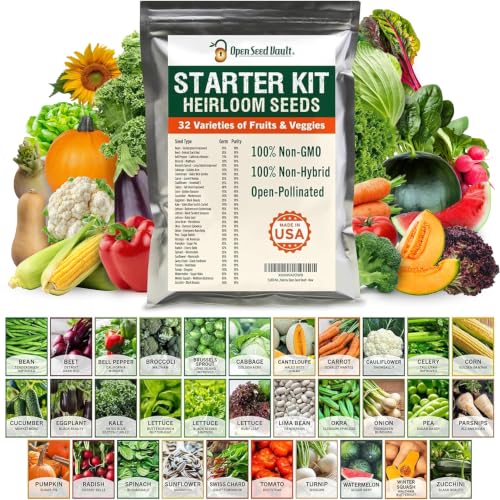
Vegetable & Fruit Seeds
4.6 stars across roughly 14,600 Amazon ratings — the deepest owner record here — but the calorie crops are thin: 15 to 25 seeds of beans, peas, and pumpkin.
$28.99 from Amazon
Thrive Life: Freeze-Dried Blueberries - Pantry Can Size
Freeze-dried food by the can, no machine: the same long-life ingredients the kits are built from, bought a can at a time.
$60.00 from Amazon
Nesco VS-12
A full-featured countertop sealer for bagging batches before they go into storage.
$108.18 from AmazonIs there any version of this that is safe?
The safe version is narrow, and it is about eating, not storing. Fruit or vegetables that were rehydrated, kept refrigerated, and are well inside their roughly one-week fridge window are food you can still cook and eat — drying a handful back for a snack you will eat today is a quality choice, not a storage plan, and even there the honest advice is to just eat them as they are. For meat, poultry, seafood, eggs, dairy, and mixed meals, there is no version we will print: once rehydrated, those foods get cooked, eaten inside their windows, or discarded. Our raw meat and eggs page covers why the cook step, not the dryer, is the safety step for exactly these foods.
The accident case deserves its own line, because it is the one people actually face: a sealed bag that took on a little moisture and went soft is not the same food state as a rehydrated meal. Soft-but-never-wet food that still passes the smell, look, and feel check is the subject of our companion page, re-drying food that has gone soft — that batch can usually be saved. A batch that was soaked, mixed with water, or served is a different batch, and it cannot.
What should I do with rehydrated food instead?
With rehydrated food, do what you would do with any fresh meal: eat it, refrigerate the leftovers inside 2 hours, and use them within 3 to 4 days. If there is more than that, cook it into the next meal rather than holding it — rehydrated vegetables go into soup, rehydrated meat gets cooked through and eaten that day. And fix the cause at the source for next time: rehydrate by the portion, not by the pouch. Our rehydration page works out how much water a given weight of food actually takes back, which is the math that keeps a whole pouch from being opened for a half-pouch meal. Food you want stored again should start again — fresh ingredients, cooked where they need cooking, dried once, sealed once.

Blue Alpine Silicone Mats, Medium
Rehydrated food goes back on mats — it is wet, and wet food welds itself to bare trays. Use code TRULYPRESERVED at checkout for 10% off.
$29.08 from Blue Alpine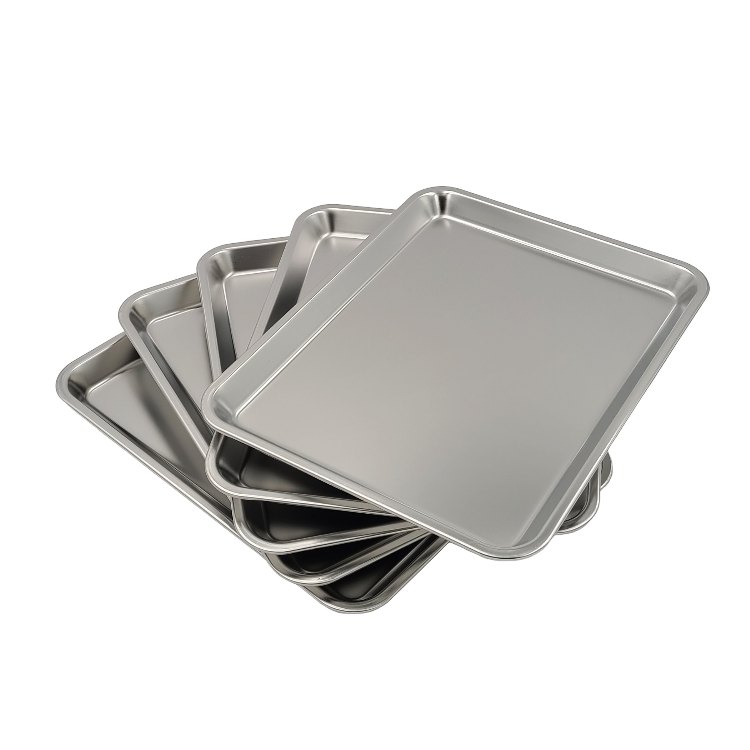
Blue Alpine Freeze Dryer Trays, Medium
The trays the mats sit on — a spare set keeps small test batches moving. Use code TRULYPRESERVED at checkout for 10% off.
$66.71 from Blue AlpineQuestions people also ask
Can I freeze rehydrated freeze-dried food in a regular freezer?
Yes — freezing rehydrated food in a regular freezer is fine, under the normal leftover rules. Get it into the freezer promptly, inside the same 2-hour window, in a sealed container. Freezing pauses growth the way it does for any cooked food; thaw it in the fridge later and use it within 3 to 4 days. That is a leftovers plan, not a return to shelf storage.
What if I only added a little water — is it still dry food?
A little water still ends the dry-food clock for the part it touched. Food that merely picked up humidity from the air is the soft-food case, covered on the companion page. Food that had water poured on it, even a small amount, has a wet zone where bacteria can be active — eat that portion soon and do not seal it back into storage.
Does cooking rehydrated food first make re-drying safe?
Cooking rehydrated food is the right safety step before eating it — it is the kill step the Extension recommends. It does not turn the food back into a clean candidate for long storage: the cooked food is now a fresh cooked meal with a leftovers clock, and the practical route is to eat it, refrigerate it, or freeze it. For storage, dry a fresh batch.
FAQ
Is it safe to freeze-dry rehydrated freeze-dried food?
No, not for storage. Freeze-drying preserves bacteria in a dormant state rather than killing them, and rehydration makes them active again. A second cycle removes the water but preserves whatever grew while the food was wet. Eat rehydrated food inside its fresh-food windows instead.
How long is rehydrated freeze-dried food good for?
About 2 hours at room temperature for rehydrated and heated meat and meals — 1 hour above 90 degrees under the USDA leftover rule — then refrigerate at 40 degrees or below and use leftovers within 3 to 4 days. Rehydrated fruit and vegetables kept in the fridge last about a week, per Ask Extension.
What does the maker say about leftovers?
Mountain House says it plainly: after hydration, treat any leftover food as you would fresh food. Its one-week figure applies to opened dry contents for best taste — the dry clock and the wet clock are different clocks, and only the dry one is measured in weeks.
Viewers also searched for these items.


FoodSaver Elite Liquid Plus
It senses bags and moisture for you — at the highest price per inch of seal bar here.
$218.56 from Amazon
COOQUI 12-Inch Tortilla Warmer
An insulated fabric warmer sized for full-size flour tortillas. Thirty to forty-five seconds in the microwave and it holds the stack warm and soft for up to an hour at the table.
$19.99 from AmazonRelated questions
- Can I freeze dry raw meat and eggs safely?
- Can I re-freeze-dry food that has gone soft?
- How much water do I add to rehydrate freeze-dried food?
- How long does opened freeze-dried food last?
Sources: Utah State University Extension, “Can I Freeze-Dry That? A Practical Guide to Safe and Effective Freeze-Drying” (freeze-drying does not kill bacteria and/or other microbes, it preserves them; bacteria can survive the process and become active again when water is added back; rehydrated foods should have a kill step such as cooking; proper freeze-drying lowers water activity to about 0.3 or below); Ask Extension, “Softened freeze dried fruit” expert response, December 2024 (meats and prepared meals: up to 2 hours after rehydrating and heating; fruits and vegetables refrigerated about a week); USDA leftover guidance as summarised in FoodSafety.gov-aligned storage guidance (refrigerate within 2 hours, 1 hour above 90°F; use refrigerated leftovers within 3 to 4 days); Mountain House FAQ (after hydration, treat any leftover food as you would fresh food; use opened dry contents within one week for best results and taste). No prices are printed on this page — it answers a food-safety question, and the pages it bridges to carry their own verified prices. Prices last checked: November 6, 2026.
This question sits under the freeze-dried food questions readers ask us most — the full set is gathered here: What People Are Asking About Freeze-Dried Food.
Talk it over with other readers. The Truly Preserved Community on Facebook is where readers compare notes on food storage, water, and backup power — and where your questions help decide what we research next. Join the group →
Prices shown on this page were last checked November 26, 2026 — prices change; check before you buy.