
Truly Preserved is reader-supported. If you buy through a link on this page we may earn a commission at no extra cost to you. Nobody pays for placement or scores.
THE SHORT ANSWER
A 512Wh station is enough for one essential at a time: about 7 hours of a typical fridge, or about 10 hours of a CPAP with the heated humidifier off — not both together. A 1024Wh station carries one big load through the night. The 3072Wh class is the first size that runs the whole essentials list at once — fridge, CPAP, lights, router, and phones add up to about 2,300 watt-hours a day, against about 2,610 usable watt-hours in a 3072Wh battery.
Every number on this page comes from our own published runtime work: the fridge figures from our refrigerator runtime guide, the CPAP figures from our CPAP runtime answer, and the household load list from the sizing worksheet in our solar generator comparison. Same method throughout: a station gives you about 85% of the watt-hours on its label after inverter losses and the battery’s own reserve, and runtime is usable watt-hours divided by watts.
The three loads that decide it
A typical full-size fridge draws about 63 watts on average — that is its EnergyGuide rating of 550 kWh a year, divided out, with the compressor cycling on and off. An efficient newer fridge averages about 49 watts. A CPAP draws about 40 watts with the heated humidifier off and about 80 watts with it on; the humidifier, not the station, is the decision that doubles or halves a night’s sleep. The small loads are small but constant: four LED bulbs at 40 watts for an evening, a Wi-Fi router at 10 watts around the clock, two phones at about 30 watt-hours a day.
| Station | Fridge alone | CPAP, humidifier off | Fridge + CPAP, one night |
|---|---|---|---|
| 512Wh (~435 usable) | ~7 hours | ~10 hours | No — needs ~950Wh |
| 1024Wh (~870 usable) | ~14 hours | ~21 hours | Just short |
| 3072Wh (~2,610 usable) | ~41 hours | ~8 nights | Yes, with room left |
The overnight column is the honest one. A night of fridge (10 hours at 63 watts = 630 watt-hours) plus a night of CPAP (8 hours at 40 watts = 320) is about 950 watt-hours of demand. The 512Wh station holds 435 usable — it cannot get there, and no setting changes that. The 1024Wh station’s 870 usable comes close and still misses. Only the 3072Wh class clears the combined night without asking you to choose between cold food and sleep.
What a full essentials day actually costs
Stretch the window to a full day and the gap widens. Fridge around the clock: about 1,510 watt-hours. CPAP for one night: 320. Lights for an evening: 200. Router all day: 240. Phones: 30. The whole list is about 2,300 watt-hours a day — which is why our comparison’s worksheet lands households in the 2kWh class for the basics alone, and why a 3072Wh station, with about 2,610 usable watt-hours, is the first size that covers the full list for a full day with anything to spare. A 512Wh station covers about a fifth of that day. It is a one-job battery, and it does that one job well.
Your own labels beat our averages — a fridge’s EnergyGuide sticker and a CPAP’s power-brick label narrow every figure here. Our Power Station Size Calculator runs the same math with your appliances in place of ours, and it is worth the five minutes before money moves.

Score out of 10
EcoFlow DELTA 2 Max
The 2kWh class this page’s math keeps landing on — the highest-scored station in our home-backup comparison.
$977.00 from AmazonSo which size is the honest buy?
Buy the 512Wh class if your outage plan is one named job: a CPAP through the night (humidifier off), lights and phones for an apartment, or a fridge bought an extra workday while you arrange ice or a generator. Buy the 1024Wh class if one big load has to make it through the night — the fridge alone for about 14 hours, or two to three nights of CPAP. Buy the 3072Wh class if the plan is the whole list at once, fridge and CPAP together, for a day or more. And whatever the size, plan the recharge: our CPAP guide is blunt that a station giving you two nights still needs a way back — solar by day or a generator run in the morning — because a battery is a bucket, not a well.
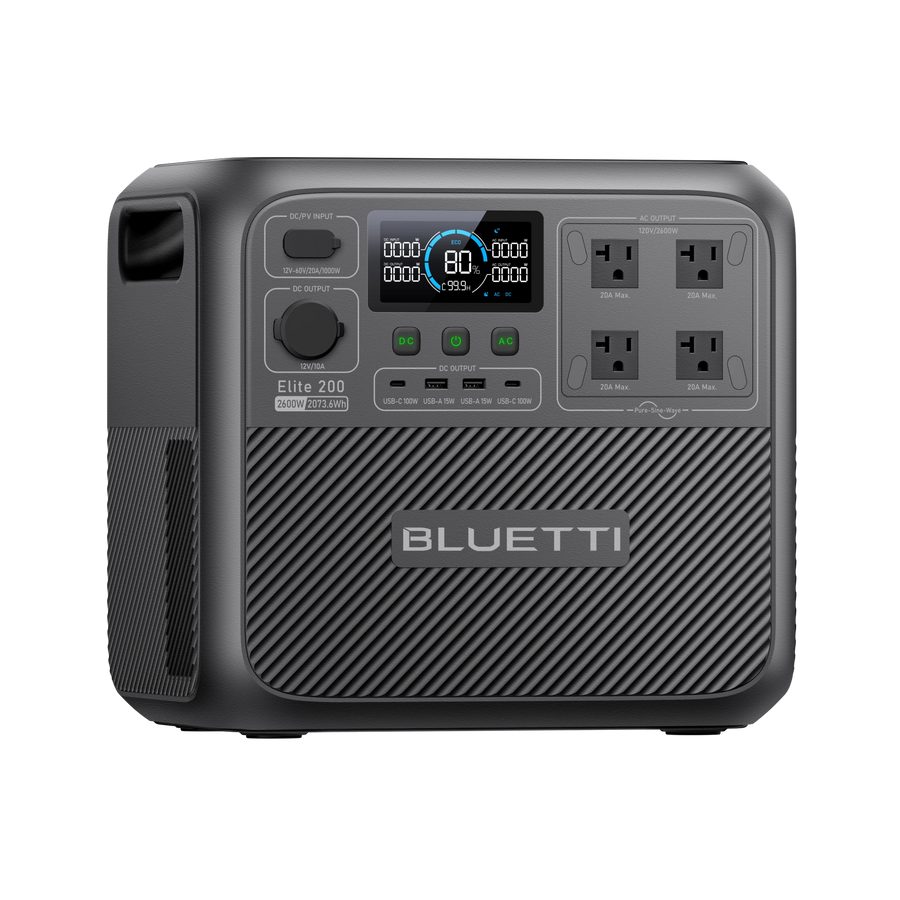
Bluetti Elite 200 V2
Score out of 10
The 2kWh alternative our comparison scores alongside it — the choice usually comes down to charging speed versus cycle life.
Check the priceViewers also searched for these items.


Champion 4250 Dual Fuel Inverter
The dual-fuel generator readers cross-shop against a station this size — the gasoline-and-propane side of the same runtime question.
$695.00 from Amazon
Anker SOLIX PS100
6.2 lb of bifacial panel with a 5-year warranty — the one that lives in the car and actually gets used.
Check the priceFrequently asked questions
Will a 512Wh station run my fridge overnight?
About 7 hours on a typical full-size fridge, about 9 on an efficient one. If the outage starts at bedtime, that may reach an early morning — but it is a few hours of grace, not a night of coverage. Our fridge runtime guide has the full table by fridge size.
Is 1024Wh enough for a fridge and a CPAP together?
Just short of one full night: the pair needs about 950 watt-hours overnight and a 1024Wh station delivers about 870 usable. Turn the CPAP’s humidifier on and the gap becomes a canyon — the CPAP alone jumps to about 640 watt-hours a night. On a 1024Wh station, pick the night you sleep or the food you keep; our CPAP guide says most people should sleep.
Why is the usable number always lower than the label?
Because the label counts the battery, not what reaches your appliance. Our runtime guides use 85% — the share left after inverter losses and the reserve the battery keeps for itself — and one maker, Bluetti, publishes a stricter formula that lands near 77%. Plan on the lower number and be pleased if you beat it.
What if a freezer rides along too?
A chest freezer adds roughly 800 watt-hours a day on our comparison’s worksheet, which pushes a fridge-plus-freezer plan firmly into the 3072Wh class or an expandable 2kWh station. Runtime by freezer type is in our freezer runtime guide.
Sources & freshness: Runtime math and load figures from our refrigerator runtime guide, our CPAP runtime answer, and the sizing worksheet in our solar generator comparison, all read in full for this answer.
More answers like this one: This question belongs to Preserve the Power and our backup power questions page. Run your own numbers in the Power Station Size Calculator, then see the stations we recommend.
Talk it over with other readers. The Truly Preserved Community on Facebook is where readers compare notes on food storage, water, and backup power — and where your questions help decide what we research next. Join the group →
Prices shown on this page were last checked November 26, 2026 — prices change; check before you buy.