
Truly Preserved is reader-supported. If you buy through a link on this page we may earn a commission at no extra cost to you. Nobody pays for placement or scores.
THE SHORT ANSWER
For backup power, the chest freezer wins, and it is not close. A typical ENERGY STAR chest freezer is rated at about 215 kilowatt-hours a year — about 589 watt-hours a day — against about 395 kilowatt-hours a year, or 1,082 watt-hours a day, for a typical upright. That means the same power station runs a chest freezer roughly twice as long: about 35 hours against about 19 hours on a 1-kilowatt-hour station. The chest freezer also holds its cold longer after the battery dies, because its lid traps cold air instead of spilling it. Buy the upright for everyday convenience — shelves, no digging, frost-free — and size your battery about twice as big. Buy the chest for the outage itself.
The question sounds like a shopping question, but for our readers it is really a battery question. The freezer you already own decides how much station you have to buy, and the freezer you are about to buy decides it for the next fifteen years. We ran this comparison on the federal label numbers, not on brand claims: the EnergyGuide and ENERGY STAR ratings are measured the same way for every model, so a chest and an upright can be compared honestly, watt-hour for watt-hour. What follows is that math, plus the one part the label cannot tell you — what happens after the battery runs out.
How much power does each type actually use per day?
A chest freezer uses about 589 watt-hours a day on the ENERGY STAR typical figure of 215 kilowatt-hours a year; an upright uses about 1,082 watt-hours a day on its typical figure of 395 kilowatt-hours a year. Divide the yearly label number by 365 and the gap stops being abstract: the upright eats roughly 493 extra watt-hours every single day. Over a three-day outage that is about 1,480 watt-hours — a whole second small power station — spent on nothing but the door design and the defrost heater.
| Freezer type | Label use (kWh/yr) | Use per day | Cost to run a year |
|---|---|---|---|
| Chest freezer (ENERGY STAR typical) | 215 | ~589 Wh | ~$39 |
| Upright freezer (ENERGY STAR typical) | 395 | ~1,082 Wh | ~$72 |
Two reasons explain the gap, and both are on the label if you read it closely. First, the lid: cold air sinks, so opening a chest freezer from the top barely disturbs what is inside, while every opening of an upright’s front door pours cold air out at floor level and pulls warm room air in behind it. Second, defrost: nearly every chest freezer is manual-defrost and nearly every upright is automatic-defrost, and ENERGY STAR’s own guidance is that a manual-defrost freezer uses about half the energy of an automatic one when you defrost it before the frost passes a quarter inch — the frost-free upright pays for its convenience with a heater that warms the box on a timer, outage or no outage. The yearly cost column uses the national average residential rate of 18.16 cents per kilowatt-hour; the roughly $33 a year difference is real money, but on backup power the watt-hours matter more than the dollars.
How long will a power station run each one?
A power station runs a chest freezer about twice as long as an upright, because the daily draw is about half. The table below uses the label figures above and counts 85 percent of a station’s rated capacity as usable — the same allowance we use across our runtime pages, covering inverter losses and the reserve the battery keeps for itself.
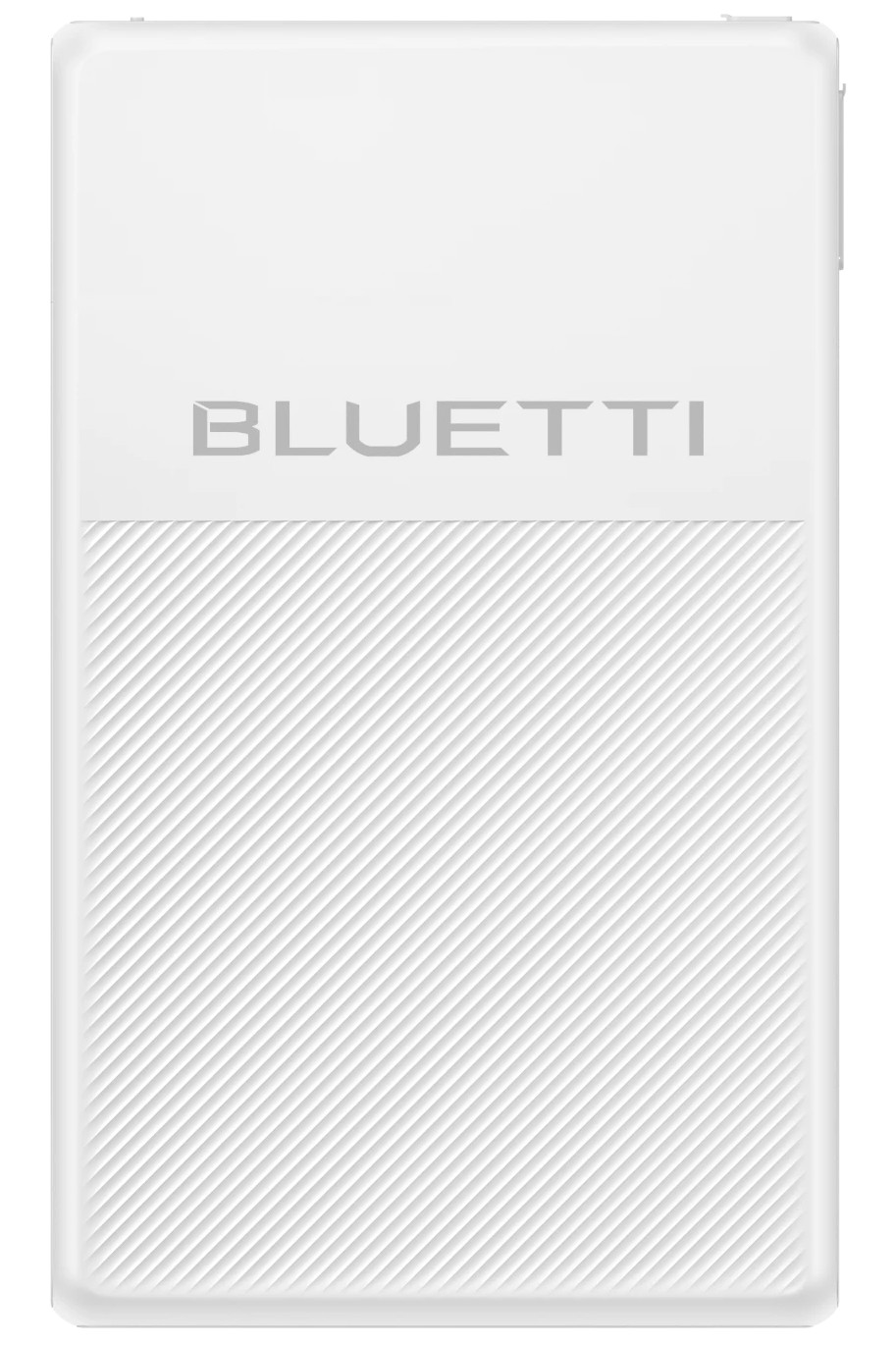
Bluetti FridgePower
Bluetti built the FridgePower for one job — keeping a fridge or freezer cold through an outage, which is this page’s whole question.
$949 from Bluetti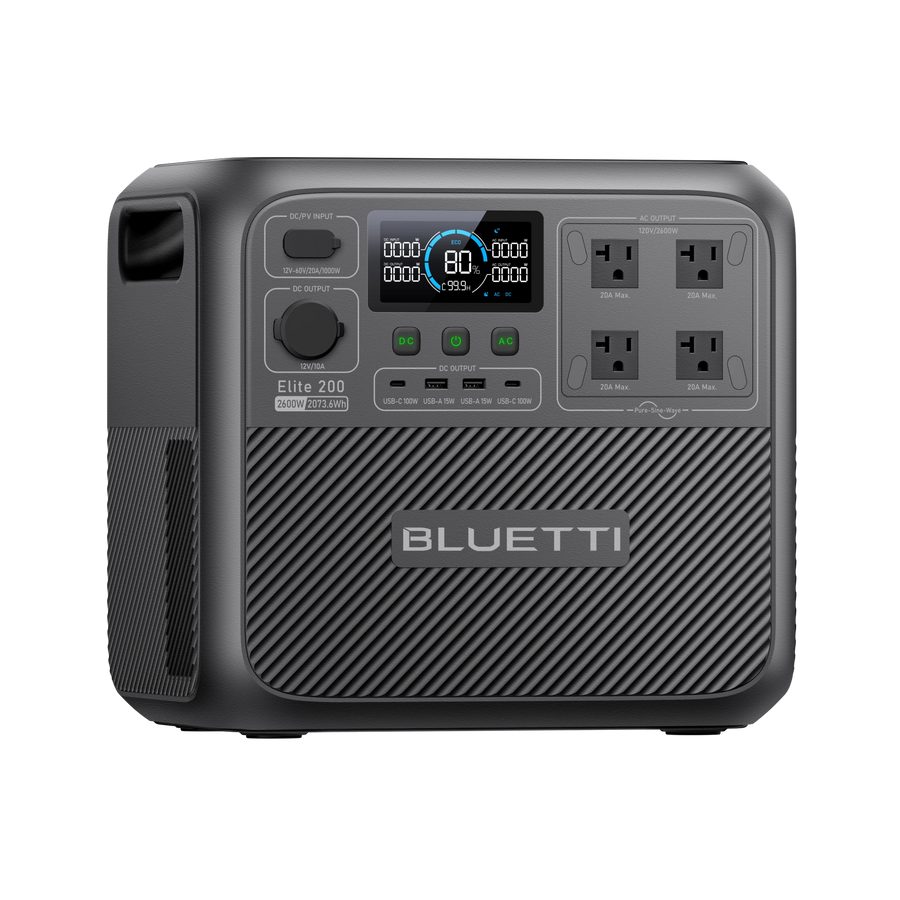
Score out of 10
Bluetti Elite 200 V2
The general-purpose alternative — the station our comparison scores for whole-room backup.
Check the price| Station size | Chest freezer | Upright freezer |
|---|---|---|
| 500 Wh | ~17 hours | ~9 hours |
| 1,000 Wh | ~35 hours | ~19 hours |
| 2,000 Wh | ~69 hours | ~38 hours |
Read the middle row as the buying decision. A 1-kilowatt-hour station — the size most households actually own — carries a chest freezer through a day and a half and an upright through not quite one night and a morning. Our freezer runtime page works the same math by freezer size and station size, including older freezers that draw far more than either label figure here; an old upright rated near 600 kilowatt-hours a year pulls the 1-kilowatt-hour runtime down to roughly 12 hours, which is where outages start eating food. If you are sizing from scratch, our Power Station Size Calculator runs your own label number instead of the typical ones.
What happens when the battery runs out?
When the battery runs out, the chest freezer keeps its food safer for longer, because the cold stays in the box. The USDA’s outage figures — a full freezer holds a safe temperature for about 48 hours with the door closed, about 24 hours if half full — are averages across freezer types, and the chest sits at the strong end of that average for a plain physical reason: a chest opened once during an outage loses a little cold off the top layer, while an upright opened once dumps a large share of its cold air onto the floor in seconds. Stack the two phases and the chest’s total protection on a 1-kilowatt-hour station is roughly 35 powered hours plus up to 48 hours of coasting — about three and a half days before the food is at risk. The upright’s is roughly 19 powered hours plus a shorter coast, because every check-in opening costs it more.
That is also why the order you plug things in matters. A refrigerator only coasts about 4 hours, so in a long outage the fridge gets the station first and the chest freezer — the appliance built to wait — takes its turn after. Our guide to how long refrigerated food lasts in an outage lays out the hour-by-hour decisions, and the blackout checklist turns the same order into a one-page routine. Keeping the freezer full helps either type: frozen water jugs in the gaps are cheap thermal mass, and a full box coasts roughly twice as long as a half-full one.
Avid Armor USV20
The chamber machine: soups, marinades and smooth cheap pouches — if it fits in an 11 x 10 pouch.
$349.00 from Amazon

ThermoPro TP49 Hygrometer
The ten-year verdict depends on the temperature the food actually lived at — a min/max hygrometer in the storage room replaces guessing with the number.
$8.54 from AmazonWill a power station even start a freezer compressor?
Yes, if the station’s surge rating clears the compressor’s starting kick — and this is the check that actually decides whether the setup works at all. A chest freezer’s compressor runs at roughly 65 to 150 watts once it is going, but starting takes a brief spike several times higher; generator sizing tables put the start for an ENERGY STAR fridge or freezer at about 1,200 watts. Most 1-kilowatt-hour-class stations surge to 2,000 watts or more, so they start either freezer type comfortably. The failures happen at the small end: a compact 300-watt station can have the watt-hours for a few hours of chest-freezer runtime and still shut itself off at the first compressor start, because its surge ceiling, not its battery, is the limit. Check the surge number on the station before you count on it, whichever freezer you own.
So when is the upright the right buy anyway?
The upright is the right buy when the freezer’s everyday job matters more than its outage job — and for plenty of households it honestly does. An upright gives you shelves and door bins: you can see everything you own, pull one package without excavating, and keep a working inventory in your head, which is how food stops dying of old age at the bottom of a chest. Frost-free defrost removes the once-or-twice-a-year chore of emptying a chest, chipping ice, and mopping — a real cost if the freezer lives in a kitchen rather than a garage, or if bending and lifting out of a deep box is hard on the person doing the shopping. An upright also stands in a narrower footprint, which decides the question by itself in a small laundry room.
None of that is a mistake. It is a trade with a known price: about 493 extra watt-hours a day, roughly $33 a year on the electric bill, and about double the battery to hold the same number of outage hours. If you love your upright, the fix is not a different freezer — it is the next size up in station, or a rotation plan that gives the fridge the battery first and lets the upright coast between turns. Our solar generators for outage backup comparison covers the stations that carry either freezer through a weekend outage.

Blue Alpine Medium Select
Faster cycles — 12 to 20 hours on Blue Alpine's figures — quarter-sheet trays, and silicone mats in the box. More machine than a first month needs; the one to read about before you buy twice. Use code TRULYPRESERVED at checkout.
Check the price
Clearly Filtered Pitcher
The pitcher for people who read contaminant tables: built to target fluoride, PFAS, and arsenic — the premium end of pitcher filters.
$87.99 from Amazon
Millennium Energy Bars (SOS Food Lab)
Nine real flavors and the only bar here people call genuinely good. Single 400-calorie bars made for go-bags and school kits.
$19.99 from AmazonQuestions people also ask
Does a chest freezer keep food frozen longer in a power outage?
Yes. A chest freezer keeps food frozen longer in an outage because its top-opening lid traps dense cold air inside the box, while an upright loses cold air out the front every time its door opens. Both types follow the USDA’s planning figures — about 48 hours for a full freezer, 24 hours if half full, doors kept closed — with the chest at the strong end of that range and the upright dependent on never being opened to check.
How many watts does it take to start a chest freezer?
Starting a chest freezer takes roughly 500 to 1,200 watts for a fraction of a second, against a running draw of about 65 to 150 watts once the compressor is going. Generator sizing tables use about 1,200 watts as the planning figure for an ENERGY STAR fridge or freezer. Your backup source needs a surge rating above that spike, or it will trip even with a full battery.
Can I run a chest freezer as a fridge to save power?
Yes — a chest freezer on an external temperature controller can hold refrigerator temperatures, and because it only has to hold about 38 degrees instead of zero, it sips power doing it. That conversion is a known outage tactic: the same box stores frozen food in normal times and becomes a very efficient fridge on battery. The controller is a separate small purchase, and the food-safety line does not move — the box still has to stay at 40 degrees or below.
FAQ
Is a chest freezer or an upright freezer better for backup power?
The chest freezer, on both numbers that decide an outage: it draws about 589 watt-hours a day against the upright’s roughly 1,082 on ENERGY STAR typical figures, so a station runs it about twice as long, and it holds its cold longer after the power stops because the lid traps cold air. The upright wins on everyday convenience, not on backup.
How long will a 1,000 Wh power station run a freezer?
About 35 hours for a typical chest freezer and about 19 hours for a typical upright, counting 85 percent of the station’s rating as usable. After the station dies, a full freezer of either type coasts for up to about 48 more hours with the door closed — the powered hours and the coasting hours stack.
Viewers also searched for these items.



COSORI Dehydrator
A fruit roll sheet in the box, temperature set to the degree, and a 48-hour timer that ends the batch before it over-dries.
$135.99 from AmazonRelated questions
- How long will a power station run a freezer?
- How long will a power station run a refrigerator?
- How long does refrigerated food last during a power outage?
- Can I use a solar generator indoors?
Sources: ENERGY STAR certified freezers guidance and product list (typical certified figures of about 215 kWh a year for a chest freezer and about 395 kWh a year for an upright; chest freezers are usually more efficient because the top-opening lid lets less cold air escape; manual-defrost freezers use about half the energy of automatic-defrost models when defrosted before frost exceeds a quarter inch); USDA Food Safety and Inspection Service outage guidance (a full freezer holds a safe temperature for about 48 hours, 24 hours if half full, doors closed); generator sizing tables published by Honda and collected in surge-watt explainers (about 1,200 W to start an ENERGY STAR fridge or freezer; chest freezer compressors run at about 65–150 W). Runtime figures are our own arithmetic from the label numbers at 85 percent usable capacity. No prices are printed on this page — current station prices live in the comparisons linked above.
This question sits under every power comparison we publish — the sizing, runtime and panel questions readers ask next are gathered here: What People Are Asking About Backup Power.
Talk it over with other readers. The Truly Preserved Community on Facebook is where readers compare notes on food storage, water, and backup power — and where your questions help decide what we research next. Join the group →
Prices shown on this page were last checked November 26, 2026 — prices change; check before you buy.